

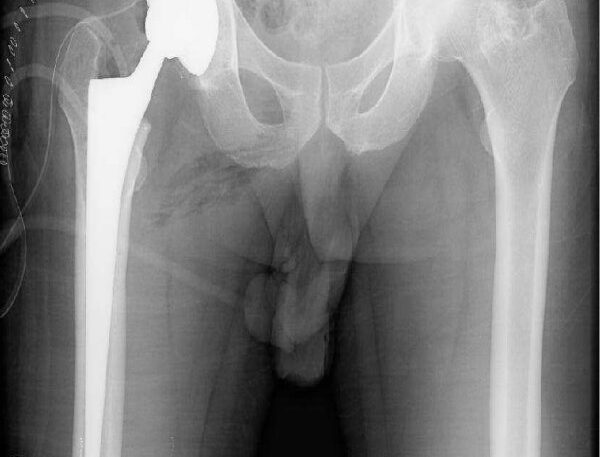
4 Tips for Healing After Hip Replacement Surgery

Hip replacement surgery removes damaged parts of the hip joint and replaces them with artificial components, and surgeons use various materials. Many patients go home within a few days after surgery, though some stay longer. Here are some practical tips for the first weeks of recovery:
1. Elevate Your Leg
Elevating your leg reduces swelling by helping fluid drain away from the surgical site. Swelling is normal within the first week after hip replacement surgery, but it may last for several weeks. A few simple habits make elevation more effective. Use these guidelines for safe elevation:
- Lie on your back with pillows under your calf and ankle.
- Raise your ankle above the level of your heart.
- Keep your leg straight and avoid pillows directly under the knee.
- Elevate for 20 to 30 minutes at a time.
- Pair elevation with ice packs if your surgeon approves.
Incorporate elevation into your daily routine, as it can significantly reduce swelling while aiding recovery. Raise your leg, keep it straight, and make sure your ankle is properly supported. While following these steps, remember that consistency is key to seeing lasting improvement.
2. Take Pain Medications Diligently
Pain after hip surgery is normal, and your care team will prescribe medication to manage it. Take each dose on schedule, even if your pain feels mild at the time. Delayed doses can lead to more severe pain later in the day. Follow the dosing instructions on the label, and keep a written log of each dose.
When pain stays under control, you will find it easier to walk and complete physical therapy. Movement supports healthy blood flow and joint flexibility. Missed doses may limit your activity, and reduced activity may slow your recovery. Plan your therapy sessions after a dose.
Prescription pain medications carry side effects like nausea, drowsiness, and constipation. Call your surgeon if side effects interfere with eating, sleeping, or moving. Drink plenty of water each day, and your doctor may also suggest a stool softener. Your doctor will help you taper off opioids as your pain decreases.
3. Avoid Bending Past 90 Degrees
Your surgeon will give you specific hip precautions, and these may last several months. Bending your hip past 90 degrees adds stress to the healing joint. This angle matters because it raises the risk of dislocation during early recovery. Ask your surgeon which precautions apply to your surgical approach.
4. Sleep on Unoperated Side
Sleeping position affects comfort and joint safety, and many surgeons recommend sleeping on your back at first. Side sleeping typically becomes an option a few weeks after surgery. A pillow between your legs adds support in this position. When your surgeon approves side sleeping, choose the unoperated side and follow these steps:
- Place a firm pillow between your knees and ankles.
- Keep your knees slightly bent and level with each other.
- Avoid rolling forward so your top knee does not cross your body.
- Use your arms and good leg to shift positions slowly.
- Prop a wedge or body pillow behind your back for stability.
Schedule Hip Replacement Surgery Follow-ups
Follow-up appointments let your surgeon track your recovery. Most surgeons schedule visits periodically after surgery, and timing varies. During these visits, your care team may take X-rays, and they will check your wound and range of motion. Contact your surgeon sooner if you notice fever, increasing redness, or sudden hip pain.
- How to Match Your Eye Care Needs With the Right Kind of Visit in Warrenton
- FAQs About Urologists and Their Practices
- The Impact of Peripheral Neuropathy on Daily Life and Coping Mechanisms
- How SkinPen Microneedling Can Help with Fine Lines and Wrinkles
- Understanding the Long-Term Effects of Skin Tightening




