
Common Skin Conditions and Treatments: A Simple Guide for Healthy Skin

Our skin is the largest organ of the body, and it protects us every day from germs, pollution, sunlight, and injuries. Because the skin is always exposed, it is very common for people of all ages to experience skin problems at some point in their lives. Some skin conditions are mild and temporary, while others may last longer and need medical care.
In this article, we will explore common skin conditions and treatments in a simple and easy way. Understanding these conditions can help you take better care of your skin and know when to seek professional help.
1. Acne
What is acne?
Acne is one of the most common skin conditions, especially among teenagers and young adults, but it can affect people of any age. It happens when pores in the skin become blocked with oil, dead skin cells, and bacteria. This leads to pimples, blackheads, whiteheads, or painful bumps.
Common causes
- Hormonal changes
- Excess oil production
- Stress
- Certain foods
- Poor skincare habits
Treatments for acne
- Gentle face cleansing twice a day
- Over-the-counter creams with ingredients like salicylic acid or benzoyl peroxide
- Avoid touching or squeezing pimples
- Prescription medications for severe acne
- Healthy diet and drinking enough water
With proper care, acne can be controlled and scars can often be prevented.
2. Eczema (Atopic Dermatitis)
What is eczema?
Eczema is a long-term skin condition that causes dry, itchy, red, and inflamed skin. It often appears in childhood but can continue into adulthood. The skin may crack, ooze, or become thick over time.
Common triggers
- Allergens such as dust or pollen
- Harsh soaps and detergents
- Cold or dry weather
- Stress
Treatments for eczema
- Moisturizing the skin regularly
- Using fragrance-free skincare products
- Topical steroid creams to reduce inflammation
- Avoiding known triggers
- Taking antihistamines to reduce itching
Eczema cannot always be cured, but proper treatment can help manage symptoms and prevent flare-ups.
3. Psoriasis
What is psoriasis?
Psoriasis is an autoimmune skin condition where skin cells grow too fast. This causes thick, scaly patches that may appear red, white, or silver. These patches are often itchy and sometimes painful.
Common areas affected
- Scalp
- Elbows
- Knees
- Lower back
Treatments for psoriasis
- Prescription creams and ointments
- Light therapy (phototherapy)
- Oral or injectable medications for severe cases
- Moisturizers to reduce dryness
- Stress management
Although psoriasis is a long-term condition, many people live comfortably by following a treatment plan.
4. Rosacea
What is rosacea?
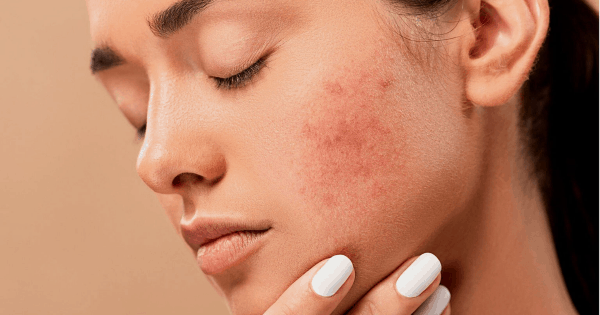
Rosacea is a common skin condition that causes redness, visible blood vessels, and sometimes small bumps on the face. It mostly affects adults and can worsen over time if untreated.
Common triggers
- Sun exposure
- Hot drinks
- Spicy foods
- Alcohol
- Emotional stress
Treatments for rosacea
- Prescription creams or gels
- Oral antibiotics in some cases
- Sunscreen use every day
- Avoiding triggers
- Gentle skincare routines
Early treatment can help control rosacea and prevent it from becoming more severe.
5. Fungal Infections
What are fungal skin infections?
Fungal infections happen when fungi grow on the skin, especially in warm and moist areas. Common examples include athlete’s foot, ringworm, and yeast infections.
Symptoms
- Itching
- Redness
- Scaling
- Burning sensation
Treatments for fungal infections
- Antifungal creams or sprays
- Keeping the affected area clean and dry
- Wearing breathable clothing
- Oral antifungal medications for severe cases
Most fungal infections are easy to treat when caught early.
6. Hives (Urticaria)
What are hives?
Hives are raised, itchy welts that appear suddenly on the skin. They can be caused by allergic reactions, infections, stress, or unknown reasons.
Treatments for hives
- Antihistamines
- Avoiding known allergens
- Cool compresses
- Prescription medications for chronic hives
Hives usually disappear within hours or days, but chronic cases may need medical attention.
7. Warts
What are warts?
Warts are small growths caused by the human papillomavirus (HPV). They are usually harmless but can spread through direct contact.
Treatments for warts
- Over-the-counter wart removal products
- Cryotherapy (freezing the wart)
- Laser treatment
- Prescription medications
Some warts go away on their own, but treatment helps speed up the process.
8. Sunburn and Sun Damage
What is sun damage?
Too much exposure to the sun can damage the skin, causing sunburn, early aging, and increasing the risk of skin cancer.
Treatments and prevention
- Cooling lotions like aloe vera
- Drinking plenty of fluids
- Avoiding sun exposure until healed
- Daily use of sunscreen
- Wearing protective clothing
Protecting your skin from the sun is one of the best ways to keep it healthy.
General Skin Care Tips
- Clean your skin gently
- Moisturize daily
- Drink enough water
- Eat a balanced diet
- Get enough sleep
- Avoid harsh chemicals
- See a dermatologist if symptoms persist
Good skincare habits play a big role in preventing and managing skin problems.
Frequently Asked Questions (FAQs)
1. Can common skin conditions be cured completely?
Some skin conditions can be cured, while others are long-term and need ongoing management. Early treatment helps control symptoms effectively.
2. When should I see a dermatologist?
You should see a dermatologist if your skin condition is painful, spreading, not improving with home treatment, or affecting your daily life.
3. Are natural remedies safe for skin conditions?
Some natural remedies can help mild skin issues, but not all are safe. It’s best to consult a healthcare professional before trying them.
4. Can diet affect skin health?
Yes, a healthy diet rich in fruits, vegetables, and water can improve skin health and reduce flare-ups of certain conditions.
5. How can I prevent common skin problems?
Good hygiene, proper skincare, sun protection, and managing stress can help prevent many skin conditions.
Final Thoughts
Understanding common skin conditions and treatments empowers you to take better care of your skin. While many skin problems are manageable, listening to your body and seeking professional help when needed is key. Healthy skin is not just about appearance—it’s about overall well-being.