
Orthopedic Problems and Treatments: A Simple and Complete Guide

Orthopedic health plays a very important role in our daily lives. From walking, sitting, lifting, running, or even typing on a phone, our bones, joints, muscles, and ligaments work together every moment. When something goes wrong in this system, it can cause pain, stiffness, and difficulty in movement. These issues are known as orthopedic problems.
Orthopedic problems can affect people of all ages, from children to older adults. Some problems happen suddenly due to injury, while others develop slowly over time because of aging, poor posture, or repeated stress on the body. The good news is that modern orthopedic treatments offer many ways to reduce pain, improve movement, and help people return to a normal life.
This article explains common orthopedic problems, their causes, symptoms, and the treatments available today in a clear and easy way.
What Are Orthopedic Problems?
Orthopedic problems are conditions that affect the musculoskeletal system, which includes:
- Bones
- Joints
- Muscles
- Ligaments
- Tendons
- Cartilage
These parts support the body and allow movement. When any of them become damaged or inflamed, orthopedic problems can occur.
Common Orthopedic Problems
1. Arthritis
Arthritis is one of the most common orthopedic problems, especially among older adults. It causes pain, swelling, and stiffness in the joints.
Types of arthritis include:
- Osteoarthritis – caused by wear and tear of joints over time
- Rheumatoid arthritis – an autoimmune condition where the body attacks its own joints
Commonly affected areas: knees, hips, hands, and spine.
2. Back and Neck Pain
Back and neck pain can result from poor posture, long sitting hours, heavy lifting, injuries, or aging. Conditions such as herniated discs, sciatica, and spinal stenosis are common causes.
Symptoms may include:
- Sharp or dull pain
- Muscle stiffness
- Tingling or numbness in arms or legs
3. Sports Injuries
Sports injuries can happen to athletes and non-athletes alike. These injuries occur due to sudden movements, overuse, or accidents.
Common sports injuries include:
- Sprains
- Strains
- Ligament tears (like ACL injuries)
- Tennis elbow
4. Fractures
A fracture is a broken bone, usually caused by falls, accidents, or direct impact. Some fractures are minor, while others may need surgery.
Older adults are more likely to suffer fractures due to weaker bones from conditions like osteoporosis.
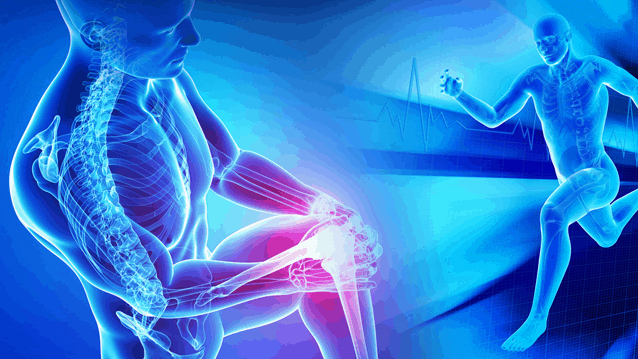
5. Joint Pain and Stiffness
Joint pain can occur in the knees, shoulders, hips, or ankles. It may be caused by arthritis, injury, inflammation, or overuse.
If left untreated, joint pain can limit daily activities and reduce quality of life.
6. Pediatric Orthopedic Problems
Children can also have orthopedic issues, such as:
- Bow legs or knock knees
- Flat feet
- Scoliosis (curvature of the spine)
Early diagnosis is important to prevent long-term problems.
Causes of Orthopedic Problems
Orthopedic problems can develop for many reasons, including:
- Aging and natural wear of joints
- Poor posture and improper body movement
- Lack of physical activity
- Obesity, which puts extra pressure on joints
- Sports injuries or accidents
- Genetic conditions
- Repetitive movements at work
Symptoms of Orthopedic Problems
Common symptoms include:
- Pain in joints, muscles, or bones
- Swelling or redness
- Stiffness, especially in the morning
- Reduced range of motion
- Weakness or instability
- Difficulty walking or lifting objects
If these symptoms last for a long time or get worse, medical attention is needed.
Orthopedic Treatments: Modern and Effective Options
Orthopedic treatments depend on the type and severity of the problem. Doctors often start with simple treatments and move to advanced options if needed.
1. Non-Surgical Treatments
Most orthopedic problems can be treated without surgery.
a. Medications
Doctors may prescribe:
- Pain relievers
- Anti-inflammatory drugs
- Muscle relaxants
These help reduce pain and swelling.
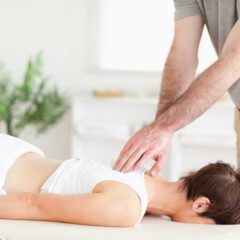
b. Physical Therapy
Physical therapy is one of the most effective orthopedic treatments. It helps:
- Strengthen muscles
- Improve flexibility
- Restore movement
Therapists guide patients through exercises designed for their specific condition.
c. Lifestyle Changes
Simple changes can make a big difference, such as:
- Maintaining a healthy weight
- Improving posture
- Using ergonomic furniture
- Staying physically active
d. Braces and Supports
Braces, splints, and supports help stabilize injured areas and reduce strain on joints.
2. Minimally Invasive Treatments
These treatments are less painful and have faster recovery times.
a. Injections
- Corticosteroid injections reduce inflammation
- Lubricating injections help joint movement
b. Arthroscopy
A small camera and tools are used to repair joint damage with tiny cuts.
3. Surgical Treatments
Surgery is recommended when other treatments fail.
a. Joint Replacement
Damaged joints like hips or knees are replaced with artificial ones.
b. Fracture Repair
Surgery may be needed to fix broken bones using plates, screws, or rods.
c. Spine Surgery
Used to treat severe back or neck problems when pain affects daily life.
Recovery and Rehabilitation
Recovery is an important part of orthopedic treatment. Rehabilitation helps patients regain strength, movement, and confidence.
Recovery may include:
- Physical therapy
- Home exercises
- Follow-up medical visits
- Gradual return to daily activities
With proper care, most patients experience significant improvement.
Preventing Orthopedic Problems
Prevention is always better than treatment. You can protect your orthopedic health by:
- Exercising regularly
- Eating a balanced diet rich in calcium and vitamin D
- Maintaining proper posture
- Avoiding smoking
- Using correct techniques while lifting heavy objects
Small daily habits can protect your bones and joints for years.
Conclusion
Orthopedic problems and treatments are closely connected to how we move, work, and live. While orthopedic conditions can cause pain and discomfort, modern treatments offer effective solutions for people of all ages. Early diagnosis, proper treatment, and healthy lifestyle choices can greatly improve mobility and quality of life.
Taking care of your orthopedic health means taking care of your independence, comfort, and overall well-being.
Frequently Asked Questions (FAQs)
1. What doctor should I see for orthopedic problems?
You should consult an orthopedic specialist, also known as an orthopedic surgeon or orthopedic doctor.
2. Can orthopedic problems heal without surgery?
Yes, many orthopedic problems improve with medication, physical therapy, and lifestyle changes without surgery.
3. Is physical therapy really helpful?
Yes, physical therapy is one of the most effective treatments for pain relief, strength improvement, and movement recovery.
4. How long does orthopedic treatment take?
Treatment time depends on the condition. Minor issues may improve in weeks, while severe problems may take months.
5. Can orthopedic problems be prevented?
Many orthopedic problems can be prevented with regular exercise, good posture, healthy weight, and proper body movement.