
Bone Health Tips for Adults: A Simple Guide to Stronger Bones

Bones are the silent supporters of our body. They hold us up, protect our organs, help us move, and store important minerals like calcium. Many people think bone problems only happen in old age, but the truth is bone health matters at every adult stage of life. From your 20s to your 60s and beyond, the choices you make daily affect how strong your bones stay.This article explains bone health tips for adults in a simple, practical way. No medical jargon, no complicated routines—just real advice you can actually follow.
Why Bone Health Is Important for Adults
Bones are living tissues. They constantly break down and rebuild. When we’re young, our body builds bone faster than it breaks it down. But as we age, especially after 30, bone loss slowly begins. If bones become weak and fragile, it can lead to conditions like osteoporosis, fractures, poor posture, and long-term pain.
Good bone health means:
- Fewer fractures and injuries
- Better balance and mobility
- Less risk of back pain and joint problems
- A more active and independent life
The good news? Healthy bones are not about luck—they’re about habits.
1. Eat Foods That Strengthen Your Bones
Nutrition is the foundation of strong bones. What you eat daily matters more than you think.
Calcium: The Bone Builder
Calcium is the main mineral in bones. Adults need it every day to maintain bone strength.
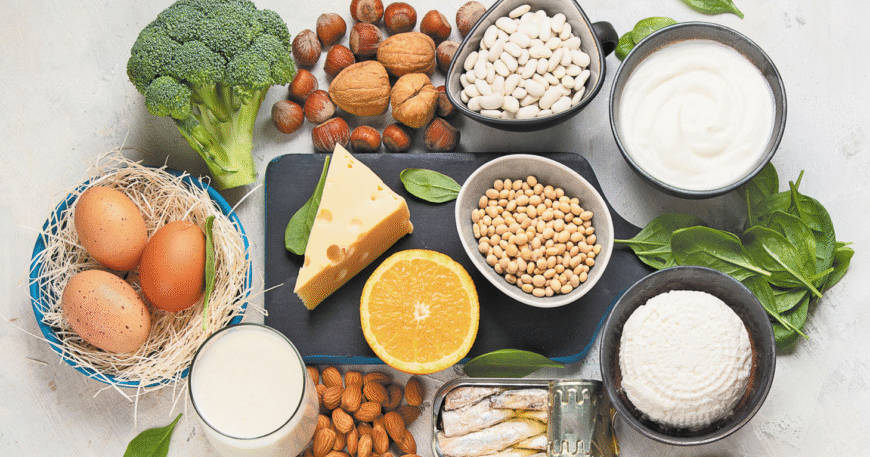
Calcium-rich foods include:
- Milk, yogurt, and cheese
- Leafy greens like spinach and kale
- Almonds and sesame seeds
- Tofu and soy products
- Fortified foods like cereals and plant-based milk
If you don’t get enough calcium from food, your body takes it from your bones, making them weaker over time.
Vitamin D: Calcium’s Best Friend
Vitamin D helps your body absorb calcium properly. Without it, calcium doesn’t do its job well.
You can get vitamin D from:
- Sunlight (15–20 minutes a day is helpful)
- Fatty fish like salmon and tuna
- Egg yolks
- Fortified milk and cereals
If you spend most of your time indoors, you may need extra attention to vitamin D intake.
2. Stay Physically Active Every Day
Exercise is one of the most powerful bone health tips for adults. Bones become stronger when you use them.
Best Exercises for Bone Health
- Weight-bearing exercises: walking, jogging, dancing, stair climbing
- Strength training: lifting weights, resistance bands, body-weight exercises
- Balance exercises: yoga, tai chi, stretching
These activities send a message to your bones: “We need to stay strong.”
You don’t need a gym. A brisk 30-minute walk most days can make a real difference.
3. Maintain a Healthy Body Weight
Being underweight increases the risk of bone loss and fractures. Being overweight can put too much pressure on bones and joints.
A balanced weight helps:
- Reduce bone stress
- Improve balance
- Lower the risk of falls
Focus on healthy eating and regular movement instead of extreme dieting.
4. Limit Harmful Habits
Some everyday habits quietly weaken bones over time.
Smoking
Smoking reduces blood flow to bones and slows bone-building cells. It also lowers calcium absorption.
Alcohol
Too much alcohol interferes with vitamin D and calcium balance. Try to keep alcohol intake moderate.
Too Much Caffeine
Excessive coffee or energy drinks may cause calcium loss if your intake is very high. Balance caffeine with calcium-rich foods.
Small changes here can protect your bones in the long run.
5. Don’t Ignore Protein
Many people focus only on calcium, but protein is also essential for bone structure.
Good protein sources:
- Eggs
- Beans and lentils
- Fish and chicken
- Nuts and seeds
- Dairy products
Just avoid extreme high-protein diets without enough calcium—they can harm bone balance.
6. Take Care of Your Gut Health
Healthy digestion helps your body absorb nutrients better, including calcium and magnesium.
Simple gut-friendly habits:
- Eat fiber-rich foods (fruits, vegetables, whole grains)
- Drink enough water
- Include fermented foods like yogurt or kefir
A healthy gut supports healthier bones.
7. Prevent Falls and Injuries
Strong bones still need protection. Falls are a major cause of fractures in adults.
Fall-prevention tips:
- Keep floors clear of clutter
- Wear shoes with good grip
- Improve lighting at home
- Practice balance exercises
Bone health isn’t just about strength—it’s also about safety.
8. Get Regular Health Checkups
As adults age, bone density tests become important, especially for:
- Women after menopause
- Adults over 50
- People with family history of bone disease
Early detection helps prevent serious bone problems later.
9. Manage Stress and Sleep Well
Chronic stress increases cortisol levels, which can weaken bones over time. Poor sleep also affects bone repair.
Healthy habits include:
- 7–8 hours of sleep nightly
- Relaxation techniques like deep breathing
- Gentle evening stretches
Your bones rebuild while you rest—sleep matters more than you think.
10. Build Bone-Friendly Habits Early
The strongest bones you’ll ever have are built in early adulthood. But it’s never too late to improve bone health.
Consistency is key. Small daily habits add up over time.
Frequently Asked Questions (FAQs)
1. At what age should adults start caring about bone health?
Bone health should be a priority from early adulthood (20s and 30s). Bone loss often begins after age 30, so prevention should start early.
2. Can adults rebuild bone density naturally?
Yes, adults can slow bone loss and even improve bone strength with proper nutrition, exercise, and lifestyle changes, especially weight-bearing activities.
3. Is walking enough for bone health?
Walking is excellent for maintaining bone health, but combining it with strength and balance exercises gives better results.
4. Do men need to worry about bone health?
Absolutely. While osteoporosis is more common in women, men also lose bone density with age and can suffer fractures.
5. Are supplements necessary for strong bones?
Supplements can help if dietary intake is low, but food sources are always best. Always consult a healthcare professional before starting supplements.
Final Thoughts
Bone health is not something to think about “later.” It’s something to care for every single day. By eating well, staying active, avoiding harmful habits, and listening to your body, you can keep your bones strong, flexible, and supportive for years to come.
Healthy bones mean a stronger, more confident life—step by step, meal by meal, habit by habit.