

Common Foot Problems and Treatments

Our feet work hard every single day. They carry our body weight, help us walk, run, stand, and keep our balance. Even though we depend on them so much, foot health is often ignored until pain or discomfort starts. Many people suffer from foot problems at some point in their lives, and the good news is that most of these problems can be treated or managed easily if noticed early.
In this article, we will talk about common foot problems and treatments, why they happen, how to recognize them, and what you can do to keep your feet healthy and pain-free.
Why Foot Problems Are So Common
Foot problems are very common because our feet go through a lot of stress. Wearing tight shoes, standing for long hours, walking incorrectly, poor hygiene, aging, and health conditions like diabetes can all cause foot issues. Sometimes, even small habits such as trimming nails the wrong way or wearing worn-out shoes can lead to pain and infection.
Understanding foot problems early helps prevent serious complications and improves overall comfort and mobility.
1. Corns and Calluses
What Are They?
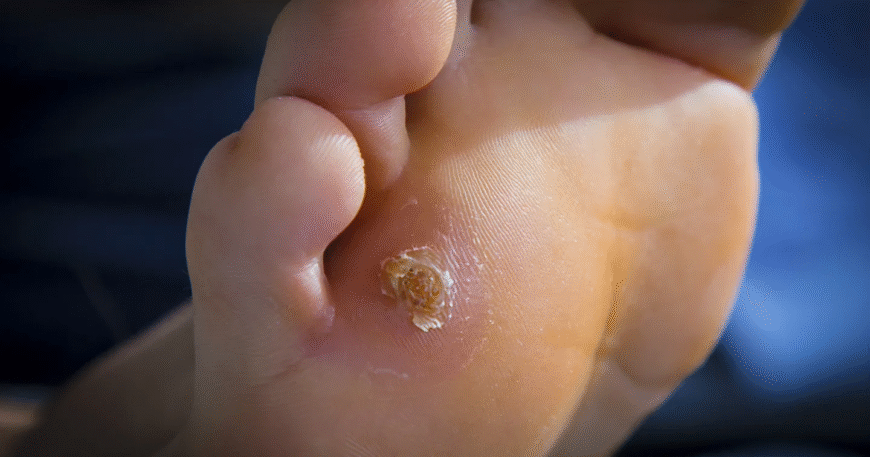
Corns and calluses are thick, hard areas of skin that develop when the skin tries to protect itself from pressure or friction. Calluses usually form on the soles of the feet, while corns often appear on toes.
Causes
- Tight or uncomfortable shoes
- High heels
- Repeated rubbing or pressure
- Walking barefoot often
Treatments
- Wear properly fitted shoes
- Use protective pads
- Soak feet in warm water to soften skin
- Gently use a pumice stone
- Apply moisturizing foot creams
In severe cases, a doctor may remove them safely.
2. Plantar Fasciitis
What Is It?
Plantar fasciitis is one of the most common causes of heel pain. It happens when the thick band of tissue under the foot becomes inflamed.
Symptoms
- Sharp heel pain, especially in the morning
- Pain after long periods of standing
- Stiffness in the foot
Causes
- Flat feet or high arches
- Overuse or heavy exercise
- Obesity
- Poor footwear
Treatments
- Rest and ice packs
- Stretching exercises
- Supportive shoes or insoles
- Physical therapy
- Pain-relief medication
Most people recover with simple home care.
3. Athlete’s Foot
What Is It?
Athlete’s foot is a fungal infection that affects the skin on the feet, especially between the toes. It is contagious and spreads easily in damp areas.
Symptoms
- Itching and burning
- Red, cracked skin
- Peeling or blisters
Causes
- Sweaty feet
- Walking barefoot in public showers
- Poor foot hygiene
Treatments
- Antifungal creams or sprays
- Keep feet clean and dry
- Change socks daily
- Avoid tight shoes
With proper care, athlete’s foot usually clears up quickly.
4. Ingrown Toenails
What Are They?
An ingrown toenail happens when the edge of a toenail grows into the surrounding skin, causing pain and swelling.
Symptoms
- Redness and swelling
- Pain near the nail
- Infection or pus
Causes
- Cutting nails too short
- Tight shoes
- Injury to the toe
Treatments
- Soak feet in warm salt water
- Wear open or loose shoes
- Keep nails trimmed straight
- Antibiotics for infection
Severe cases may require minor medical procedures.
5. Bunions
What Are They?
A bunion is a bony bump that forms at the base of the big toe. Over time, the toe may lean toward the others, causing discomfort.
Symptoms
- Swelling and redness
- Pain while walking
- Limited movement
Causes
- Genetics
- Tight or narrow shoes
- Arthritis
Treatments
- Comfortable footwear
- Bunion pads
- Ice packs
- Pain medication
- Surgery (in severe cases)
Early care can slow the condition and reduce pain.
6. Flat Feet
What Is It?
Flat feet occur when the arches of the feet collapse, causing the entire foot to touch the ground.
Symptoms
- Foot pain
- Tired legs
- Ankle or knee pain
Causes
- Genetics
- Injury
- Aging
Treatments
- Supportive shoes
- Orthotic insoles
- Foot exercises
- Physical therapy
Most people with flat feet can live comfortably with proper support.
7. Heel Spurs
What Are They?
Heel spurs are small bony growths that develop on the heel bone. They often occur alongside plantar fasciitis.
Symptoms
- Sharp heel pain
- Pain during walking
Treatments
- Ice therapy
- Stretching
- Orthotic inserts
- Pain medication
Surgery is rarely needed.
How to Prevent Common Foot Problems
Prevention is always better than treatment. Simple daily habits can protect your feet:
- Wear well-fitting shoes
- Keep feet clean and dry
- Trim nails correctly
- Stretch your feet regularly
- Avoid walking barefoot in public areas
- Replace worn-out shoes
Taking care of your feet improves your quality of life and mobility.
When to See a Doctor
You should see a foot specialist if:
- Pain lasts more than a few days
- There are signs of infection
- Walking becomes difficult
- You have diabetes and foot issues
Early treatment prevents serious complications.
Conclusion
Foot problems are common, but they should never be ignored. From corns and calluses to plantar fasciitis and bunions, understanding common foot problems and treatments helps you take better care of your feet. With proper footwear, hygiene, and timely care, most foot issues can be treated easily. Healthy feet mean a more active, comfortable, and pain-free life.
Frequently Asked Questions (FAQs)
1. What is the most common foot problem?
Plantar fasciitis is one of the most common foot problems, especially among adults who stand or walk a lot.
2. Can foot problems heal on their own?
Some mild foot problems may improve with rest and care, but persistent pain should be checked by a doctor.
3. How often should I replace my shoes?
Most shoes should be replaced every 6–12 months, depending on use and wear.
4. Are foot problems more common as we age?
Yes, aging can weaken foot muscles and joints, making problems more likely.
5. Can poor footwear cause foot pain?
Absolutely. Tight, unsupportive, or worn-out shoes are a major cause of foot problems.