

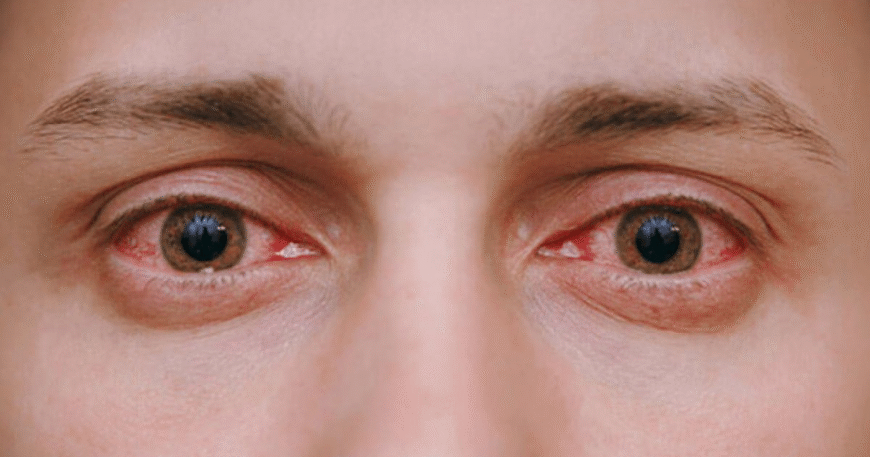
Common Eye Problems and Treatments: What You Need to Know

Our eyes are amazing. They help us see the world clearly, enjoy beautiful moments, and connect with others. But like any other part of the body, eyes can develop problems. Some are minor and easy to treat, while others may need medical attention. Understanding common eye problems and their treatments can help you protect your vision and keep your eyes healthy.
In this article, we’ll explore the most common eye issues, how they feel, and what you can do to treat them.
1. Dry Eyes
Dry eyes happen when your eyes don’t produce enough tears or when tears evaporate too quickly. This can cause irritation, redness, and a burning sensation.
Common Symptoms:
- Stinging or burning feeling
- Itchy eyes
- Sensitivity to light
- Feeling like something is in your eye
Treatment:
Dry eyes are usually treated with:
- Artificial tears (eye drops)
- Warm compresses
- Increasing humidity at home
- Prescription eye drops (if severe)
Tip: If you spend a lot of time on screens, remember to blink often and take breaks every 20 minutes.
2. Conjunctivitis (Pink Eye)
Conjunctivitis is an infection or inflammation of the eye’s outer layer. It can be caused by viruses, bacteria, or allergies.
Common Symptoms:
- Red or pink eyes
- Itching or burning
- Watery or thick discharge
- Swollen eyelids
Treatment:
Treatment depends on the cause:
- Viral conjunctivitis usually clears on its own
- Bacterial conjunctivitis may need antibiotic eye drops
- Allergic conjunctivitis is treated with antihistamine drops
Note: Pink eye spreads easily, so avoid touching your eyes and wash your hands frequently.
3. Cataracts
A cataract is when the lens inside your eye becomes cloudy. It often develops slowly and is common in older adults.
Common Symptoms:
- Blurry vision
- Glare or halos around lights
- Difficulty seeing at night
- Colors look faded
Treatment:
The main treatment for cataracts is surgery, where the cloudy lens is replaced with a clear artificial lens. It’s a common and safe procedure with high success rates.
4. Glaucoma
Glaucoma is a serious eye condition that damages the optic nerve. It is often caused by high eye pressure. If left untreated, it can lead to permanent vision loss.
Common Symptoms:
- Loss of peripheral (side) vision
- Eye pain or headaches
- Seeing halos around lights
- Sudden vision loss (in some cases)
Treatment:
Glaucoma cannot be cured, but it can be controlled with:
- Prescription eye drops
- Oral medications
- Laser treatment
- Surgery
Regular eye exams are essential because glaucoma can be silent in the early stages.
5. Age-Related Macular Degeneration (AMD)
AMD affects the macula, the part of the retina responsible for central vision. It’s common in older adults and can cause serious vision loss.
Common Symptoms:
- Blurry or distorted central vision
- Difficulty reading or recognizing faces
- Dark spots in the center of vision
Treatment:
There is no cure, but treatments can slow progression:
- Anti-VEGF injections (to reduce abnormal blood vessels)
- Vitamin supplements
- Lifestyle changes (healthy diet, no smoking)
6. Refractive Errors (Myopia, Hyperopia, Astigmatism)
Refractive errors are the most common eye problems. They happen when the eye cannot focus light correctly.
Types:
- Myopia (nearsightedness): can see close objects clearly
- Hyperopia (farsightedness): can see far objects clearly
- Astigmatism: blurry vision at all distances
Treatment:
- Glasses or contact lenses
- LASIK or other laser eye surgery
These treatments help focus light properly on the retina.
7. Eye Strain
Eye strain occurs when your eyes get tired from intense use, like reading or working on screens.
Common Symptoms:
- Headaches
- Dry eyes
- Blurry vision
- Neck or shoulder pain
Treatment:
- Follow the 20-20-20 rule: every 20 minutes, look at something 20 feet away for 20 seconds
- Adjust screen brightness
- Use anti-glare filters
When Should You See an Eye Doctor?
You should visit an eye doctor if you experience:
- Sudden vision changes
- Eye pain or discomfort
- Persistent redness or discharge
- Double vision
- Severe headaches with vision issues
Early diagnosis can prevent serious problems and protect your vision.
5 Frequently Asked Questions (FAQs)
1. How often should I get an eye exam?
Most adults should get an eye exam every 1–2 years. If you have vision problems or a family history of eye disease, you may need more frequent exams.
2. Can eye problems be prevented?
Some can be prevented by:
- Wearing sunglasses
- Eating a healthy diet
- Taking breaks from screens
- Not smoking
- Regular eye checkups
3. Are all eye drops safe to use?
Not all eye drops are safe. Overuse of some drops can worsen dryness or cause irritation. Always follow the doctor’s advice.
4. Can screen time damage my eyes?
Long screen time can cause eye strain and dry eyes. It usually doesn’t cause permanent damage if you take regular breaks and practice good habits.
5. Is cataract surgery risky?
Cataract surgery is one of the safest and most common surgeries. Most people experience improved vision with minimal complications.