

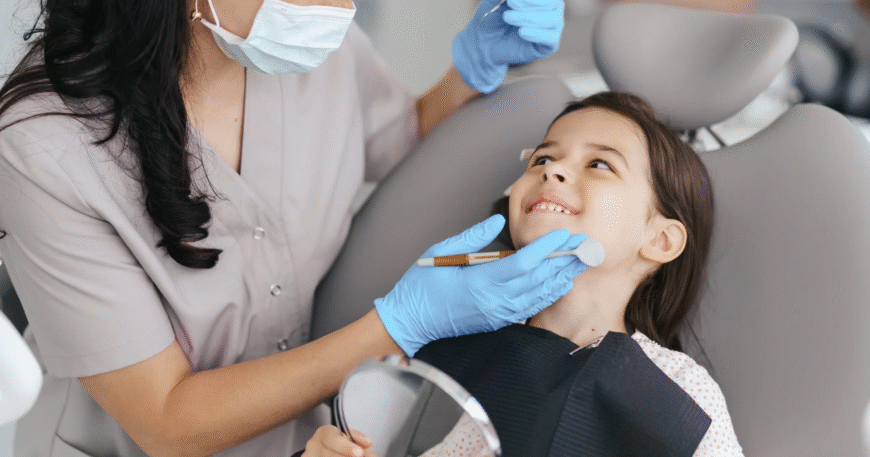
Dental Care Tips for Healthy Teeth (Easy & Practical Guide)

Having a bright, healthy smile is something most of us want. But healthy teeth don’t happen by accident—they come from simple habits and daily care. Good dental care isn’t only about looking great. It also helps prevent pain, cavities, gum disease, and bad breath. The best part? It’s easy to do when you know the right steps.
Here are the most important dental care tips for healthy teeth that you can start using today.
1. Brush Your Teeth Properly (Twice a Day)
Brushing your teeth is the foundation of dental care. But many people don’t brush correctly.
Here’s the right way:
- Brush at least twice a day (morning and night).
- Use a soft-bristled toothbrush.
- Brush for 2 minutes each time.
- Use gentle circular motions.
- Don’t forget the back teeth, where cavities often start.
- Brush your tongue to reduce bacteria and bad breath.
Tip: Replace your toothbrush every 3 months or sooner if the bristles are worn out.
2. Use Fluoride Toothpaste
Fluoride is one of the most important tools for healthy teeth. It helps strengthen tooth enamel and prevents cavities.
Choose toothpaste that contains fluoride and avoid products that don’t. Fluoride helps:
- Reduce tooth decay
- Protect enamel
- Repair tiny early tooth damage
3. Floss Every Day
Flossing is the secret step many people skip. But it’s essential because a toothbrush can’t reach the spaces between teeth.
Flossing helps:
- Remove food stuck between teeth
- Prevent gum disease
- Reduce plaque buildup
- Stop bad breath
Tip: If flossing feels hard at first, start slowly. You’ll get better with practice.
4. Use Mouthwash for Extra Protection
Mouthwash is not just for fresh breath—it also helps protect your teeth and gums.
Choose a mouthwash that:
- Contains fluoride
- Helps prevent cavities
- Reduces bacteria
Important: Mouthwash should not replace brushing or flossing. It’s an extra step for added protection.
5. Drink More Water and Less Sugary Drinks
Sugary drinks like soda, energy drinks, and fruit juices can cause tooth decay.
Water is the best drink for healthy teeth because it:
- Rinses away food particles
- Keeps your mouth moist
- Helps reduce acid buildup
If you drink sugary beverages, try to use a straw and rinse your mouth with water afterward.
6. Eat Teeth-Friendly Foods
Healthy teeth start with a healthy diet. Certain foods help strengthen teeth and gums.
Eat more of these:
- Cheese and yogurt (calcium and protein)
- Leafy greens (vitamins and minerals)
- Nuts (healthy fats)
- Crunchy fruits and vegetables (clean teeth naturally)
- Water
Avoid too many sweets, sticky candies, and processed snacks.
7. Avoid Smoking and Tobacco Products
Smoking and chewing tobacco are harmful not only for your lungs but also for your teeth.
They can cause:
- Bad breath
- Stained teeth
- Gum disease
- Tooth loss
- Oral cancer
Quitting tobacco is one of the best things you can do for your oral health.
8. Don’t Ignore Dental Problems
If you feel pain, sensitivity, or swelling, don’t ignore it.
Common problems include:
- Toothaches
- Bleeding gums
- Bad breath
- Sensitive teeth
Ignoring these signs can make the problem worse and more expensive to fix.
9. Visit the Dentist Regularly
Regular dental visits are important even if you don’t have problems.
Dentists can:
- Clean plaque and tartar
- Check for cavities
- Detect gum disease early
- Prevent serious dental issues
Most people should visit the dentist every 6 months. If you have problems, your dentist may suggest more frequent visits.
10. Protect Your Teeth During Sports
If you play sports, especially contact sports, wearing a mouthguard is a smart choice.
Mouthguards help prevent:
- Broken teeth
- Cuts to lips and gums
- Serious dental injuries
Ask your dentist for a custom mouthguard for the best fit and protection.
5 FAQs About Dental Care Tips for Healthy Teeth
1. How often should I brush my teeth?
You should brush twice a day, for 2 minutes each time. Brushing at night is especially important because it removes the day’s buildup.
2. Is flossing really necessary?
Yes! Flossing removes plaque and food between teeth that a toothbrush cannot reach. It helps prevent cavities and gum disease.
3. What foods are bad for teeth?
Sugary snacks, sticky candies, soda, and acidic drinks are harmful. These foods increase the risk of tooth decay and enamel damage.
4. Can mouthwash replace brushing?
No. Mouthwash is a helpful extra step, but it cannot replace brushing and flossing.
5. When should I see a dentist?
Visit the dentist every 6 months for checkups. If you have pain, bleeding gums, or sensitivity, make an appointment sooner.
Conclusion
Healthy teeth don’t require complicated routines or expensive products. The key is consistency. Brushing properly, flossing daily, eating right, and visiting the dentist regularly are the most effective dental care tips for healthy teeth.
Start with these simple habits today, and your smile will stay strong and bright for years to come.