

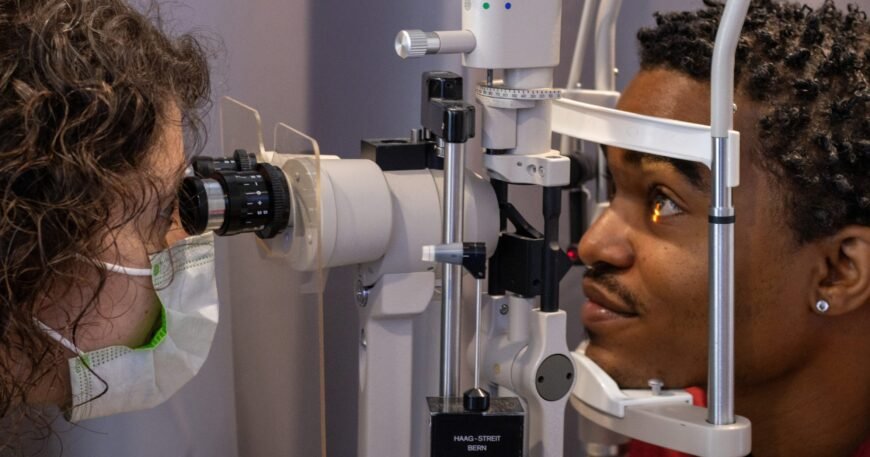
How Ophthalmologists Use Technology To Improve Patient Outcomes

Ophthalmologists are medical doctors who specialize in eye and vision care; they diagnose eye conditions, perform surgery, and they prescribe treatments for diseases like glaucoma. Since the eye is a delicate organ, these specialists rely on advanced tools to do their work. New technology now shapes how they care for patients every day. Here is more information on technological improvements they may use:
Home Tonometers
Home tonometers let patients measure their own eye pressure. The device reads pressure, and it stores the result for later review. When you check your eyes at home, ophthalmologists see pressure patterns across the day. This data adds detail to office readings. A home tonometer gives quick readings, and it sends data to your care team. Since pressure shifts throughout the day, single office visits miss some changes.
Laser Trabeculoplasty
Glaucoma raises pressure inside the eye over time. Laser trabeculoplasty treats this pressure, and it targets the drainage tissue near the iris. When the laser reaches this tissue, fluid drains more freely from the eye.
The procedure happens in the office and takes only a few minutes. Doctors may use this treatment for open-angle glaucoma. It is a quick option, and many patients return home the same day. Since the laser works on a small area, recovery tends to be short.
Your ophthalmologist may suggest it before or alongside other treatments. While some patients may experience mild side effects, these symptoms usually resolve within a few days as the eye adjusts to the treatment. Since the procedure is non-invasive and has minimal downtime, it offers a practical solution for managing intraocular pressure while preserving overall quality of life.
Computer Guidance
Computer guidance helps surgeons plan and perform delicate operations. The software maps the eye, and it shows exact measurements during surgery. Surgeons follow these digital markers while they place lenses or make incisions. This precision may reduce guesswork in the operating room.
Computer systems also track data across many appointments. They store images, and they compare scans from different visits. Since the system records small changes, doctors notice problems early. You receive care that draws on a clear record of your eye health.
Stents and Implants
Stents and implants treat several eye conditions. Tiny stents drain fluid, and they help lower pressure inside the eye. When a surgeon places a stent, it stays in the eye permanently. These devices are smaller than a grain of rice.
Some implants release medication slowly over weeks or months. The implant sits inside the eye, and it sends a steady dose to the tissue. As the medicine comes from inside, you may need fewer drops. Your doctor decides which device fits your condition.
Surgeons use implants for a range of needs. Typical uses include:
- Lowering eye pressure in glaucoma
- Delivering steady medication
- Replacing a clouded natural lens
These devices match different conditions, and each one serves a clear purpose. When a surgeon selects an implant, the choice depends on the diagnosis. Your care team explains the option that suits you.
Find Ophthalmologists Near You
Technology has changed how eye doctors diagnose and treat conditions. Modern tools give specialists clearer data, and they support careful treatment choices. When you work with a trained ophthalmologist, you gain access to these methods. Schedule an appointment with a local ophthalmologist today, and start a conversation about your vision.