

Exploring Non-Invasive Options for Shoulder Pain Relief

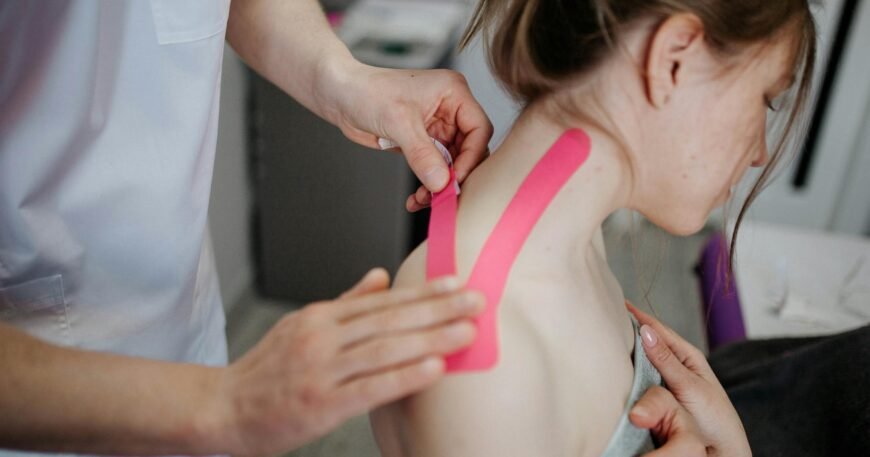
Shoulder pain affects the joint and surrounding muscles, often limiting range of motion during daily tasks. Common causes include rotator cuff injuries, bursitis, and osteoarthritis, with symptoms ranging from a dull ache to sharp pain. Many people seek non-surgical treatment, and non-invasive options are available to address these concerns. Here are some non-invasive options for shoulder pain relief:
Physical Therapy
Physical therapy focuses on restoring movement and strengthening the shoulder muscles, which helps improve stability and reduce pain over time. A therapist evaluates your condition, and they design a program based on your limitations and goals. You might perform stretching exercises, resistance training, and movements that target joint stability. Manual therapy, where a therapist uses hands-on techniques to mobilize tissue, is sometimes part of the plan.
Sessions often start gently and progress as your strength and flexibility change. Some programs also include posture correction, since slouching and uneven shoulders place added strain on the joint. Your therapist usually teaches you exercises to do at home, and this promotes consistency between appointments. Heat, ice, or ultrasound therapy may be added to address inflammation and discomfort.
Corticosteroid Injections
Corticosteroid injections deliver anti-inflammatory medication directly into or around the affected area of the shoulder. A physician typically uses imaging to guide the needle to the precise location. The medication targets inflammation in structures such as the bursa, tendon sheath, or joint space. People who have not found relief from shoulder pain with oral medications or therapy sometimes explore this option. The procedure usually takes only a few minutes, and it is performed in a clinical setting. Doctors often limit the number of injections within a given period because repeated use may affect surrounding tissue. Your provider will review your medical history and current medications before recommending this approach.
Regenerative Therapies
Regenerative therapies support the body’s natural repair processes in damaged shoulder tissue. Some patients seek these options because traditional methods no longer provide relief. The procedures are typically performed in an outpatient setting, and they are completed under sterile conditions. Regenerative therapies include:
- Platelet-rich plasma: PRP uses your body’s own healing properties to reduce inflammation and promote repair. A clinician draws a small sample of your blood, processes it in a centrifuge to concentrate the platelets, and injects the resulting plasma into the affected area.
- Stem cell therapy: This approach uses stem cells, often sourced from adipose tissue, to support tissue repair and regeneration. When injected into the shoulder, these cells can help reduce inflammation and stimulate healing.
- Bone marrow aspirate: This therapy involves taking a small amount of bone marrow, which contains stem cells and other growth factors, and injecting it into the shoulder. This encourages healing by promoting new tissue growth.
Manage Shoulder Pain
Non-invasive options provide multiple options for relief before turning to surgery for shoulder pain. Physical therapy, corticosteroid injections, and regenerative therapies address discomfort in different ways, and the right choice depends on your condition. A medical evaluation helps identify the source of your pain and the treatment that fits your situation. Schedule a consultation with a specialist today to discuss treatments for shoulder pain that align with your diagnosis and lifestyle.