
The Benefits of Comprehensive Women’s Clinics for Health Education

Women’s health needs shift at every stage of life, from adolescence through menopause and beyond, and a comprehensive women’s clinic addresses these changing needs in a single dedicated setting. These clinics combine medical services with patient education, giving patients the knowledge to make informed decisions about their bodies. Here is more information on what women’s clinics offer, what health education involves, and how both work together to support long-term well-being:
What Is a Women’s Clinic?
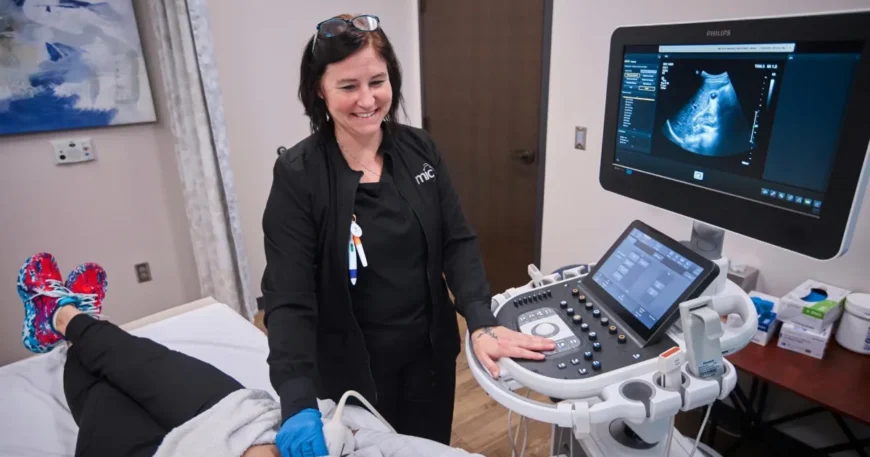
A women’s clinic is a medical facility dedicated to addressing the unique healthcare needs of women across all stages of life. Staffed by physicians, nurse practitioners, and midwives, these clinics focus on reproductive, hormonal, and general health concerns. The goal is to provide care that accounts for the biological and physiological differences unique to women; patients benefit from a team that understands the full scope of women’s health across different life stages.
What Are the Available Services?
Women’s clinics offer a broad range of services designed to support both routine and specialized care. The depth and scope of these services vary by clinic. Some of the available services include:
- Wellness exam: A routine checkup that evaluates overall health, including blood pressure, weight, and reproductive health indicators.
- Pap smear: A cervical screening test used to detect abnormal cell changes that may indicate the presence of cervical cancer or precancerous conditions.
- STD testing: Diagnostic testing for sexually transmitted diseases, including screenings for common infections.
- Menopause care: Medical support for managing symptoms associated with menopause, including hormonal changes and lifestyle guidance.
These services are structured to address women’s health at different life stages, from adolescence through postmenopause. Accessing them through a single clinic simplifies managing multiple aspects of health.
What Does Health Education Involve?
Health education at a women’s clinic refers to the information and guidance provided to patients to support informed decision-making; this typically includes explanations of diagnoses, descriptions of treatment options, and guidance on preventive measures. Providers may also offer resources related to nutrition, sexual health, reproductive planning, and chronic disease management. The goal is to equip patients with accurate, relevant information that supports long-term health outcomes. Clinics that prioritize education may take additional time during consultations to make sure patients understand their conditions and options.
What Are the Benefits?
One of the primary benefits of attending a comprehensive women’s clinic is access to coordinated, specialized care under one roof. Patients can receive screenings, consultations, and follow-up care without being referred to multiple separate providers, saving time. This continuity helps reduce the risk of gaps in care, and it makes it easier to track health changes.
Health education plays a role in improving patient outcomes. Women who receive clear explanations of their health conditions are better positioned to follow through with treatment plans. When care is delivered in an environment designed specifically for women’s health, patients may be more likely to seek care proactively; this can lead to earlier interventions and more effective management of health conditions.
Seek Comprehensive Care Today
Women’s clinics offer a structured, specialized approach to healthcare, and physicians at these facilities address the full spectrum of female health needs. From routine wellness exams and Pap smears to menopause care and STD testing, these facilities provide services that support both immediate health concerns and long-term wellness. Speak with a provider about which services align with your current health needs.