

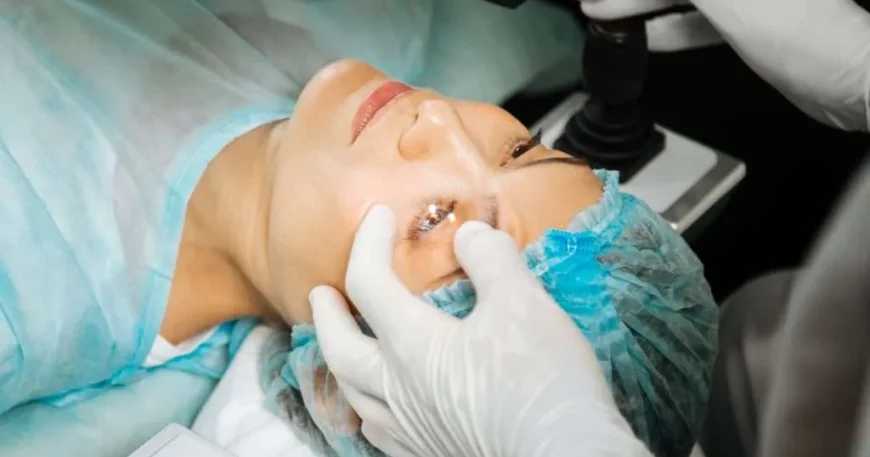
Exploring Eyelid Surgery Techniques

Eyelid surgery is a group of procedures that address the skin, muscle, and tissue around the eyes. Surgeons use these techniques to treat functional concerns, such as obstructed vision, and aesthetic changes that occur with age. Each method follows a specific approach based on the patient’s anatomy and goals. Here are some eyelid surgery techniques:
Traditional Blepharoplasty
Traditional eyelid surgery, or blepharoplasty, targets excess skin, fat, and muscle on the upper or lower eyelids. The surgeon makes an incision along the natural crease of the upper lid, so the scar remains hidden. Through this opening, tissue is removed or repositioned, and the incision is closed with fine sutures. For the lower lids, the approach may differ depending on whether the concern involves puffiness, loose skin, or both.
Patients often choose this procedure when sagging upper lids interfere with their field of vision. The operation usually takes place under local anesthesia with sedation, but general anesthesia is sometimes an option. During recovery, swelling and bruising are common and typically fade over a few weeks. Your surgeon will explain how to care for the incision sites and when to schedule follow-up visits.
Ptosis Repair
Ptosis is a drooping upper eyelid caused by weakened or stretched muscles that lift the lid. This condition differs from excess skin, so it needs a separate surgical solution. Ptosis repair focuses on the levator muscle, the structure responsible for raising the eyelid. By tightening or reattaching this muscle, the surgeon adjusts the lid’s height and position. Technique varies based on how much muscle function remains. When the levator works well, a small adjustment through an external or internal incision helps correct the position. In cases of severe muscle weakness, the surgeon might connect the eyelid to the forehead muscles to assist lifting. Measurements taken before surgery guide these decisions, since precise positioning affects symmetry between both eyes. Some patients notice that the corrected lid sits slightly higher than expected, but it often settles as healing continues.
Transcutaneous Approach
The transcutaneous approach is a lower-eyelid technique performed through the skin rather than from inside the lid. The surgeon makes an incision below the lashes, providing access to both the skin and the fat. This works well when a patient wants both loose skin removal and fat repositioning. The incision sits close to the natural lash line, so the resulting scar usually blends into the surrounding tissue.
This method contrasts with the transconjunctival approach, where the incision is hidden inside the lower lid. The transcutaneous route provides direct access to the excess skin, and it allows surgeons to address more advanced changes around the lower eyelid. The transcutaneous route provides direct access to the excess skin, making it suitable for patients with significant skin laxity.
After the procedure, you may experience tightness and bruising along the lower lid for a short period. Proper aftercare supports a smoother recovery. Cold compresses help reduce swelling, and keeping your head elevated during sleep limits fluid buildup. Your surgeon will provide instructions tailored to the technique used.
Learn More About Eyelid Surgery
Each eyelid surgery technique addresses a distinct concern, ranging from excess skin to muscle function. The right approach depends on your anatomy, your goals, and a thorough evaluation by a qualified surgeon. Understanding these methods gives you a clearer foundation for your conversation with a specialist. To determine which technique fits your situation, schedule a consultation with a board-certified oculoplastic or facial plastic surgeon today.