

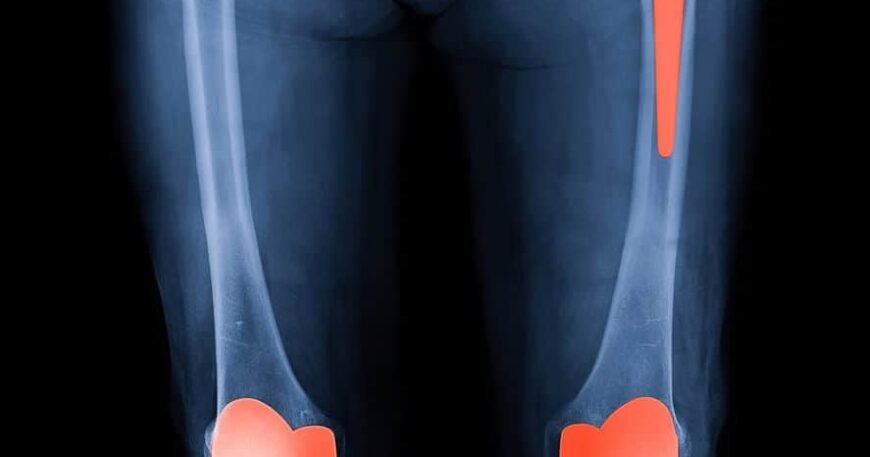
Exploring the Benefits of Joint Replacement Surgery

Joint replacement surgery removes a damaged joint and replaces it with an artificial one, and surgeons perform this procedure on hips, knees, and shoulders. When other treatments stop working, your doctor may suggest this option, and many people regain daily comfort afterward. Here are some of the benefits from undegoing this procedure:
Restored Function
A failing joint limits the activities you once performed with ease. Tasks like bending, lifting, and standing typically become harder over time. Once the new joint settles in, you may return to routines that pain had interrupted.
Function returns gradually, and physical therapy guides that process. You practice movements that rebuild strength, and your therapist tracks each milestone. Since muscles weaken during long periods of pain, rebuilding them after joint replacement surgery takes consistent effort.
Significant Pain Relief
Worn cartilage exposes bone, and that friction creates steady joint pain. Many people feel this discomfort during simple tasks like walking or climbing stairs. After surgery removes the damaged surface, the constant grinding stops, which often reduces pain levels.
Pain relief affects your abilities during daily life in measurable ways. You might sleep through the night again, and you may rely less on medication. Since chronic pain wears on both body and mind, relief often improves overall well-being.
Recovery takes time, and pain levels shift during healing. Some soreness follows any operation, but this discomfort fades over weeks. When you follow your therapy plan, you support steady progress toward lasting relief.
Corrected Deformities
Severe arthritis sometimes bends a joint out of its natural shape. Bowed knees and stiff hips may affect how you stand and walk. When a surgeon installs a new joint, alignment typically improves, and pressure spreads more evenly across the limb. This correction can significantly improve mobility and reduce discomfort, allowing for a more active and balanced lifestyle.
Improved Range of Motion
Stiff joints restrict how far you can move a limb. Many people lose the ability to fully bend or straighten over time. After the joint heals, motion often expands, which makes everyday movement smoother.
Improved motion supports several practical goals:
- Reaching overhead shelves without strain
- Climbing stairs with steadier steps
- Sitting and standing with less effort
These gains are built through consistent therapy. You repeat targeted exercises, and your range slowly widens. Since each joint heals at its own pace, your results depend on your condition and your effort.
Over time, these improvements contribute to a better quality of life. Flexibility may increase as you keep practicing, and daily activities become easier to manage. While progress may take time, commitment to your therapy plan promotes steady and meaningful advancements.
Schedule a Joint Replacement Consultation
A consultation gives you clear answers about your specific situation. An orthopedic specialist examines your joint, reviews imaging, and explains your options. When you understand the process, you make a decision that fits your goals and health. Bring your questions to that first visit. Ask about recovery timelines, therapy plans, and realistic outcomes for your case. Contact our office today to schedule your consultation and discuss whether joint replacement suits your needs.