

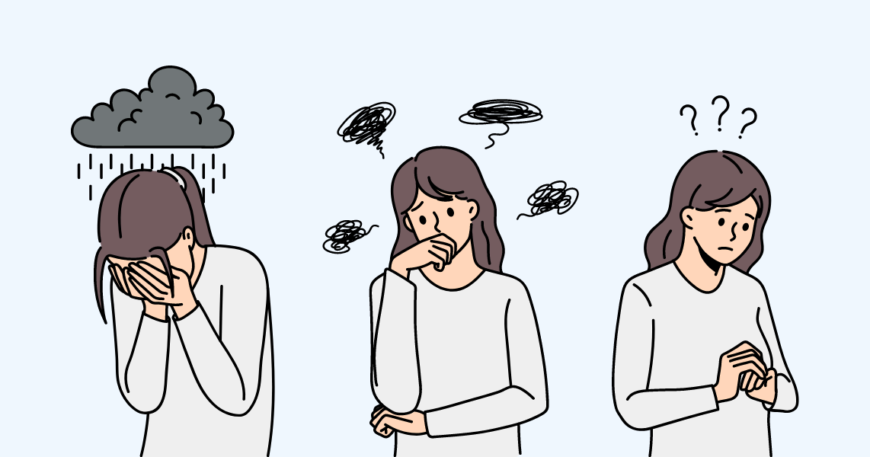
Understanding the Signs and Symptoms of Depression

Depression often becomes noticeable through patterns that develop over time. A single difficult day does not usually indicate depression, but recurring symptoms that persist for several weeks or longer may warrant closer attention. Significant changes in physical health, behavior, and daily routines sometimes become more apparent during this period and should not be overlooked. Here are several signs and symptoms associated with depression:
Shifts in Appetite
A person with depression may begin eating less or skipping meals without realizing it, and this causes them to gradually lose weight. Others eat more frequently or at unusual times, which often contributes to weight gain over several weeks. Because these changes tend to develop slowly, they are easy to overlook until the effects become more noticeable. Tracking shifts in appetite and eating habits provides valuable insight into a person’s overall well-being.
These changes also affect daily routines. When someone loses interest in cooking or regularly forgets to eat, meal preparation becomes less consistent, and grocery shopping occurs less often. Although these habits may seem minor at first, they have the potential to influence other aspects of everyday life. Recognizing practical changes like these early helps you identify when additional support is needed.
Changes in Sleep
Sleep patterns may change noticeably in individuals with major depressive disorder. Some people have trouble falling asleep, wake up several times during the night, or wake up earlier than planned. Others sleep far more than usual, yet they still feel tired in the morning and may stay in bed beyond their normal routine. While an occasional restless night is common, a consistent shift away from someone’s typical sleep habits is a sign that something more significant is occurring.
Decreases in Energy and Functioning
Low energy is a common sign of depression. Simple tasks such as getting dressed or running errands sometimes require more effort than before. You might notice slower movements, longer rest periods, or a worn-down state that lingers after a full night of sleep. Concentration tends to decline alongside energy. A person may lose focus mid-task, struggle to follow a conversation, or forget details that once stayed firmly in mind. Possible concerns to watch for include:
- Missed deadlines or a buildup of unfinished tasks
- Lapses in grooming, showering, or daily preparation
- Withdrawal from gatherings, hobbies, and regular groups
- Shorter replies or frequent cancellations of plans
A single off day is a normal part of life and rarely indicates a serious concern. What matters more is the overall pattern, especially when signs appear together, persist for a couple of weeks, and begin to interfere with daily responsibilities. When multiple indicators overlap, a closer look becomes more warranted. Documentation can strengthen your understanding of what you are observing. Write down what you notice, note when each change begins, and track how often it occurs. This record organizes scattered observations into a clear timeline, and that timeline can support conversations with a mental health professional.
Find Treatment for Depression
Mental health professionals assess your condition and provide guidance tailored to the situation. They offer various forms of assistance, including psychotherapy and other evidence-based treatments. Sharing written notes about observable changes helps support a clearer and more accurate evaluation. Noticing the signs is a key first step; it allows you to explore suitable therapy and medication options. If you observe several of these signs in yourself or someone you care about, reach out to a qualified health professional.