

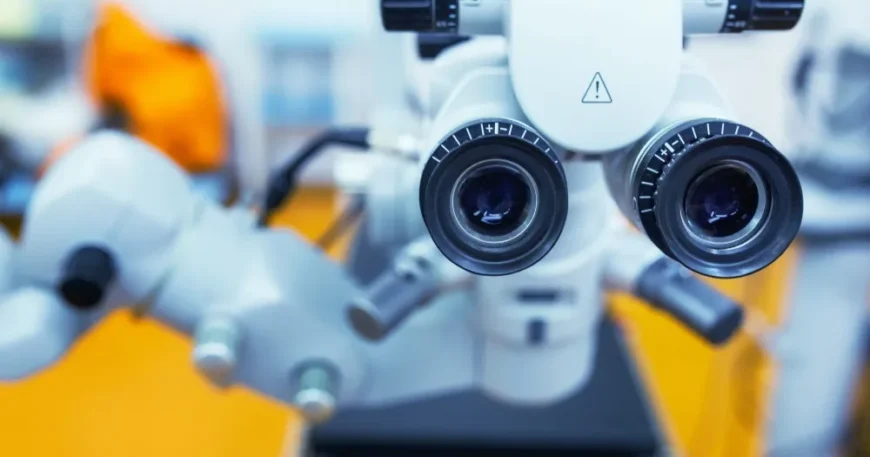
What are the Most Common Eye Care Procedures

Vision shapes how we navigate through daily life. Healthy eyesight supports a child’s classroom performance, and adults rely on clear vision for driving and working. Because the eyes serve so many functions, regular eye care helps people of all ages maintain clarity over time.
What Is Eye Care?
Eye care refers to the range of services focused on protecting and maintaining the health of the eyes and the visual system. A standard eye examination measures how well a person sees, and it checks the overall condition of the eye. During a visit, a provider may test visual sharpness, evaluate eye movement, and inspect internal structures such as the retina and optic nerve. Adults benefit from periodic check-ups that track changes in eyesight as they age. The goal of eye care is to support long-term visual function and catch potential concerns before they progress.
What Conditions Does It Treat?
Eye care addresses a broad set of conditions, ranging from common refractive errors to more complex diseases. Refractive errors occur when the shape of the eye prevents light from focusing properly on the retina. These include myopia, or nearsightedness, where distant objects appear blurry, and hyperopia, or farsightedness, where close objects are harder to see. Astigmatism causes blurred vision at any distance; this is due to an irregularly shaped cornea.
Beyond refractive errors, eye care providers manage a number of medical conditions. Cataracts cause clouding of the eye’s natural lens, leading to gradual loss of clarity. Glaucoma involves damage to the optic nerve, and it is frequently linked to elevated pressure inside the eye. Macular degeneration affects the central part of the retina and can influence detailed vision. Diabetic retinopathy, which arises from diabetes, damages the blood vessels in the retina. Providers also treat more routine issues. Dry eye occurs when the eyes do not produce enough tears or the right quality of tears.
What Procedures Fall Under It?
Eye care includes both non-surgical and surgical approaches, and the most familiar service is the prescription of corrective lenses. A provider may recommend eyeglasses or contact lenses to improve focus. Refractive surgery, such as LASIK, reshapes the cornea to reduce reliance on lenses for some patients.
Cataract surgery is another frequently performed procedure; during this operation, the clouded lens is removed and replaced with an artificial one. For glaucoma, treatment can involve prescription eye drops, laser therapy, or surgical methods that help regulate pressure within the eye. Patients with retinal conditions might receive targeted interventions depending on the diagnosis.
Diagnostic procedures form another part of the field. Certain tests allow providers to examine the internal eye structures, and pressure measurements help screen for glaucoma. Each approach depends on the individual’s needs and the recommendation of a professional.
Consult an Eye Doctor
Maintaining eye health benefits from regular professional guidance. Scheduling routine exams allows providers to monitor vision over time, and they may identify changes early, even when no symptoms are present. For personalized advice and an accurate diagnosis, speak with an eye doctor who can evaluate your specific situation and recommend an appropriate plan.