

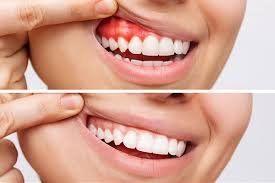
Recognizing the Symptoms and Stages of Gum Disease

Gum disease is an oral health condition that often begins with mild symptoms, such as redness, swelling, or bleeding gums, and progresses if left untreated. Recognizing the early signs and understanding its stages can help patients seek timely dental care and protect dental health. Here is a closer look at the symptoms and stages of gum disease:
Recognizing Early Signs
The first stage of gum disease is often mild, so the signs are easy to ignore. Watch for these early changes, and pay attention if more than one appears at the same time:
- Bleeding gums: Your gums may bleed when you brush or floss; healthy gums usually do not bleed.
- Red or swollen gums: Gums that look puffy or darker than usual may show inflammation.
- Bad breath: Bacteria along the gumline can cause a lingering smell.
- Gum tenderness: Your gums may feel sore or sensitive to touch, and the discomfort is intermittent.
Recognizing these early signs and addressing them promptly can help you take proactive steps to protect your gum health and prevent further complications.
Understanding Disease Progression
Gum disease progresses through stages, and each stage affects your mouth differently. The first stage is gingivitis, which involves mild inflammation of the gums; the condition is often reversible with proper care. People often do not realize they have gingivitis, which is why regular checkups matter.
When gingivitis goes untreated, it can advance to periodontitis. During this stage, the gums begin to pull away from the teeth, and small spaces called pockets can form. Bacteria settle into these pockets, the infection spreads below the gumline, and the tissue that supports your teeth starts to break down.
Identifying Advanced Symptoms
Advanced disease presents with clear and serious symptoms that often affect daily comfort. One common change is gum recession: the gums recede, exposing more of the tooth. This recession can make your teeth look longer and may leave sensitive areas exposed to hot or cold foods.
You may also experience pain when chewing, which can make eating uncomfortable. Tooth sensitivity often intensifies at this stage, and the exposed roots respond quickly to temperature changes. Loose teeth are a key warning of advanced gum disease, and shifting teeth may change how your bite feels. As the supporting tissue and bone weaken, teeth lose their firm anchor, increasing the risk of tooth loss. Recognizing these symptoms early gives you a better chance to preserve your natural teeth.
Knowing When To Seek Care
You do not need to wait until you experience pain before contacting a dental office. Reach out to a professional when you observe any of the following signs:
- Gums that bleed often: Repeated bleeding when brushing or flossing warrants a professional evaluation.
- Gums pulling away from teeth: Visible recession or new gaps may point to a more advanced stage.
- Loose or shifting teeth: Movement in your teeth is a clear reason to act.
- Ongoing bad breath: A persistent odor that does not improve with brushing may signal an infection below the gumline.
Taking prompt action when these signs appear can prevent further complications and effectively preserve your oral health.
Schedule Your Gum Disease Evaluation
Gum disease develops in stages, and the signs range from mild bleeding to loose teeth. It often progresses unnoticed, but recognizing the key warning signs, like gum sensitivity or persistent bad breath, can make a significant difference in maintaining your oral health. Early detection and professional intervention are key in addressing these issues before they develop into more serious conditions. Contact a qualified periodontist in your area to schedule your gum disease evaluation today.