
Exploring Vascular Lab Testing and Its Impact on Patient Care

Blood flow shapes how well your body functions. When veins or arteries do not carry blood the way they should, the effects can show up as pain, swelling, or changes in your skin. Finding the source of these signs calls for a clear look inside your blood vessels. Vascular lab testing gives medical teams that view without surgery, and this helps them understand what is happening beneath the surface and what may come next.
What Is Vascular Lab Testing?
Vascular lab testing is a group of noninvasive exams that study how blood moves through your veins and arteries. Many tests rely on ultrasound imaging; this uses sound waves to create pictures of your blood vessels in real time. A specialist can watch blood as it travels through the arms and legs, spotting narrowed areas, blockages, or weakened vessel walls.
Because the process does not involve incisions or needles for the imaging portion, it tends to be painless and straightforward. The images and measurements collected help a physician confirm whether vascular disease is present and gauge how far it has progressed. That information supports accurate diagnosis, and it can guide decisions about care.
What Role Does It Play?
Vascular lab testing may point to a wide range of conditions that affect circulation. This includes atherosclerosis, involving the buildup of deposits inside arteries, and peripheral artery disease, where narrowed vessels limit blood flow. Conditions such as carotid artery blockage, deep vein thrombosis, and abdominal aortic aneurysm may also be identified. Testing can also help evaluate arterial or venous embolism and varicose veins. Certain warning signs suggest it may be time to seek an evaluation. Vascular trouble frequently affects the legs, so pay attention to symptoms such as:
- Skin that appears pale or has a grayish color
- Aching or tingling sensation in the legs or feet that persists, even while resting
- Swelling around the ankles or feet
- Skin that feels warm, looks red, or is tender to the touch
- Pain or discomfort in the legs that gets worse during physical activity
Testing is not limited to diagnosing new problems. A physician may recommend it to review the outcome of a past vascular procedure or to check a dialysis access fistula.
What Should You Expect?
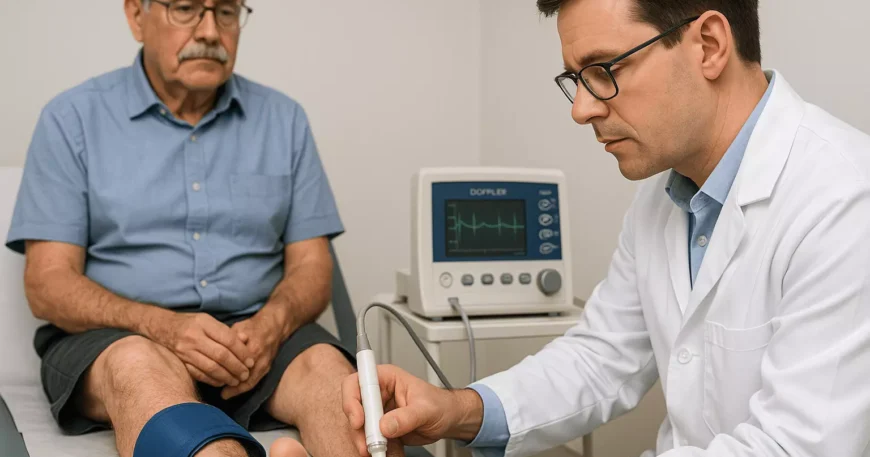
Vascular lab exams are painless, and it requires no recovery time. A common test is color duplex ultrasound, which is a form of Doppler imaging. This method shows blood flowing through your vessels. The detailed images allow a specialist to detect the conditions described earlier and measure how severe they may be.
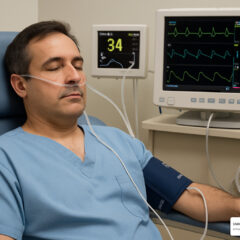
Some patients also undergo a pulse volume recording, sometimes shortened to a PVR study. This test places blood pressure cuffs on different parts of the arms or legs. As the cuffs inflate and deflate, they measure blood pressure at several locations, and this reveals where circulation may be reduced.
Consult a Vascular Specialist
Early detection can make vascular conditions easier to manage over time. Vascular lab testing offers a safe way to understand your circulation, and it catches changes before they progress. Regular monitoring may also help track how a known condition responds over months or years, giving both you and your physician a clearer sense of direction. A physician can review your medical history, recommend the right tests, and explain what the results mean for you.