

Frequently Asked Questions About Root Canals

When a tooth has infected or damaged pulp, a root canal removes the affected tissue from inside the tooth. By cleaning, disinfecting, and sealing the tooth’s interior, an endodontic specialist can prevent extraction, and the tooth is then capped with a crown to restore function. Patients can recover within a few days and keep their natural tooth long-term. Here is more information about the procedure, who benefits from it, and what recovery involves:
What Is a Root Canal?
A root canal removes infected or inflamed pulp from inside a tooth. The pulp contains nerves, blood vessels, and connective tissue, which can become compromised by deep decay, cracks, or repeated dental work. Once infection sets in, the tissue cannot heal on its own, and the tooth becomes a persistent source of pain.
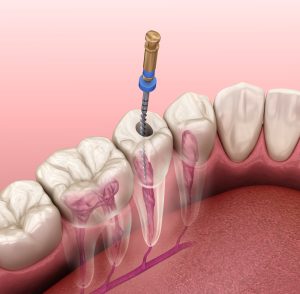
An endodontic specialist removes the damaged pulp and cleans the inner chamber. They then fill it with a biocompatible material called gutta-percha, and this stops the infection from spreading. Without treatment, the infection can spread to surrounding bone and tissue. This progression has the potential to lead to abscesses, which may require more extensive intervention.
Who Does It Help?
Patients who may benefit from a root canal share certain common characteristics. These include individuals who:
- Have deep cavities, cracked teeth, or a history of repeated dental procedures on the same tooth
- Experience symptoms such as lingering sensitivity to hot or cold, gum swelling, or pain when chewing
- Grind their teeth, have sustained facial trauma, or have undergone extensive dental work
An endodontic specialist evaluates these symptoms alongside X-rays to confirm a diagnosis; early identification may offer more options for preserving the tooth.
How Does It Work?
The procedure may span a couple of visits, depending on the tooth’s condition. An endodontic specialist begins by numbing the area, and they will then create a small opening in the tooth to access the pulp chamber, where specialized instruments remove the damaged tissue. The canal is then shaped and disinfected to eliminate bacteria. Once the canal is cleaned, the specialist fills it with gutta-percha and seals the opening. Patients receive a crown or filling, as a treated tooth can become brittle over time.
What Is Recovery Like?
When recovery from a root canal is uncomplicated, patients may experience relatively mild discomfort as the treated tooth heals. They may notice tenderness or sensitivity for a few days. Discomfort is common when biting down, but over-the-counter pain relievers and a soft-food diet typically manage these symptoms without complication.
People may return to normal activities the same day or the next, and following the endodontic specialist’s aftercare instructions supports proper healing. One key recommendation is to avoid hard foods until the permanent crown is placed. Patients should contact their specialist if they experience sharp pain, swelling, or fever after treatment, as these signs can indicate a lingering infection.
Visit an Endodontic Specialist Today
A root canal addresses infection at its source, and it helps relieve pain while preserving a natural tooth. Understanding the process, from diagnosis through recovery, helps patients prepare. If you are experiencing persistent tooth pain, sensitivity, or swelling, schedule an evaluation with an endodontic specialist to determine the right course of action.




