

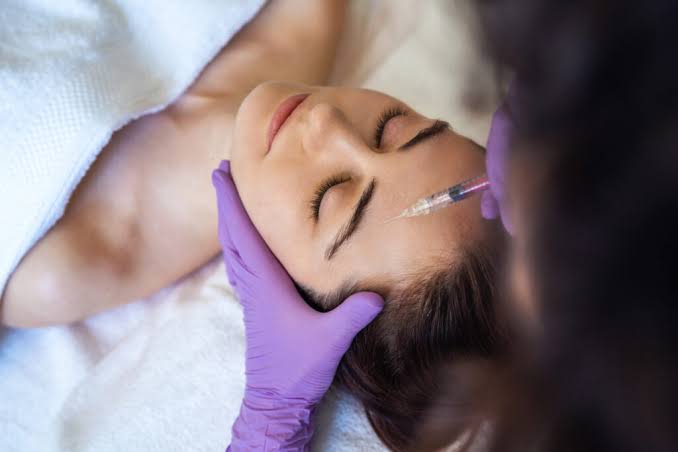
How Is Botox Used for Migranes?

Botox is an injectable treatment that may be used to prevent headaches in adults with chronic migraines. The treatment involves injecting small amounts of Botox into specific areas around the head and neck to interrupt pain-related nerve signals. Here is an overview of how Botox is used for migraines:
What Else Can Botox Do?
Botox temporarily blocks signals between nerves and muscles, reducing muscle activity in the treated area. Clinicians use this mechanism for cosmetic goals and for select medical conditions, so the injections serve more than one purpose. The connection to headaches came from an unexpected observation. Some patients receiving Botox for facial lines reported fewer headaches, and researchers studied that pattern over time. This led to a specific and regulated use for a particular type of chronic headache, and that approval influenced how clinicians apply it today.
How Does Botox Target Migraines?
For eligible patients, a trained provider injects Botox into specific sites around the head and neck. The treatment follows a set pattern of injection points, and each point receives a carefully measured dose. This structured approach helps the provider treat the muscles involved while keeping the process consistent from one appointment to the next.
A standard treatment plan spreads injections across several regions, and providers space appointments over time. Understanding these areas can help you know what to expect during a session. Providers commonly focus on the following regions:
- Forehead and brow: These sites are near muscles that some patients associate with tension and headache activity.
- Temples: Providers place injections on both sides to keep treatment balanced.
- Back of the head and neck: These areas often contribute to discomfort, so providers address them during a session.
- Upper shoulders: Providers may include this region to address muscle tightness that extends downward.
What Should You Expect?
A Botox appointment for headaches follows a clear sequence. The provider cleans the treatment areas, marks the injection points, and administers the doses with a fine needle. Some patients describe the sensation as a series of brief pinches, and the process rarely disrupts a normal day.
After the appointment, effects develop gradually. Some people notice changes within a couple of weeks, while others take longer to see a difference. Providers often schedule follow-up sessions to track progress and adjust the plan because responses vary.
Is Botox Worth Exploring?
Before you choose Botox for headaches, a consultation with a qualified provider is a key first step. The provider reviews your history, discusses your headache patterns, and explains whether this option fits your situation. This conversation helps you set realistic expectations, and it gives the provider the details needed to build a plan. Here are several factors that affect whether Botox suits a particular person:
- Headache frequency: Botox for migraines applies to a specific pattern of chronic headaches.
- Previous treatments: The provider asks what you have already tried and how those approaches worked.
- Overall health: Certain conditions or medications may affect the plan, so full disclosure is helpful.
- Personal goals: Your provider aligns the treatment with what you hope to achieve.
Schedule Your Botox Appointment Today
Botox serves both cosmetic and medical purposes, and its use for chronic migraines follows a structured process. Clinicians target specific muscles, space treatments over time, and adjust the plan based on your response. A consultation remains the fundamental starting point, so you can learn whether this option fits your needs. Contact a qualified healthcare provider near you to schedule your Botox appointment today.




