

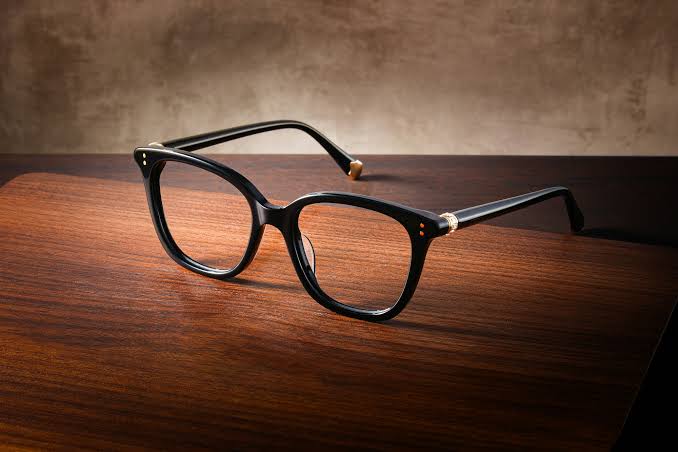
Choosing the Ideal Eye Glasses for Your Needs

Eye glasses correct blurry vision by bending light before it reaches the retina at the back of your eye. Each pair uses lenses shaped to match the specific needs of your eyes. Some people need glasses only for reading, and others wear them from morning to night. Here are some of the main steps of an eye exam and explains your final prescription:
Performing a Series of Tests
Your exam for eye glasses starts with a short set of basic vision tests. The doctor asks you to read letters on a wall chart, and each line gets smaller. This visual acuity test shows how clearly you see objects at a distance. For some patients, a handheld reading card checks your near vision in a similar way.
Next, you look through a device called a phoropter, and the doctor switches lenses in front of your eyes. The doctor asks which lens looks sharper as each new option clicks into place. Your answers guide the refraction portion of the exam. Take your time, since small differences between lenses are normal.
Before the exam ends, the doctor may also check your eye pressure and eye muscle movement. You follow a moving light with your eyes, and the doctor watches your eye alignment. A quick puff of air or a gentle probe measures the pressure inside each eye.
Checking Corneal Curvature
The cornea is the clear, curved surface at the front of your eye. When the cornea has an uneven curve, light focuses on more than one point. Doctors call this condition astigmatism, and it typically causes blurred or stretched images. Your doctor measures the corneal curve with one or more of the following tools:
- Keratometer: measures the curve at the center of the cornea
- Topographer: creates a detailed color map of the entire corneal surface
- Autokeratometer: pairs an automated refraction reading with corneal curve measurements
Evaluating Pupils
Your pupils widen in dim light, and they shrink in bright light. The doctor shines a small penlight into each eye. Both pupils should react at the same speed when the light hits them. Since an uneven response may point to a nerve problem, your doctor will note it.
When you choose lenses for night driving, pupil size also matters. Large pupils let in more light at night, and some lens designs produce more glare with wide pupils. Your doctor also measures pupillary distance, the space between the centers of your pupils. Opticians use this number so that each lens lines up with the center of your eye.
Getting Correct Prescription
Your eye doctor reviews all the test results, and then they write your prescription. Each prescription lists several numbers and abbreviations that describe your lens needs. Glasses and contact lenses require separate prescriptions. Here’s a simple breakdown of what the numbers and abbreviations on your glasses prescription indicate:
- Sphere: indicates whether you’re nearsighted (minus number) or farsighted (plus number), and how strong your lenses need to be
- Cylinder: shows whether you have a slight irregularity in the shape of your eye (astigmatism) that causes blurred vision, and how much correction is needed
- Axis: tells the optician which direction to position the correction in your lens to address your blurred vision
- Add: applies if you need extra help seeing up close for reading, which is common as we age
Get Eye Glasses Today
A complete eye exam covers visual sharpness, corneal shape, pupil response, and overall eye health. If your vision has changed since your last visit, book an eye exam today. Bring your current glasses and a list of your medications to the appointment.




