

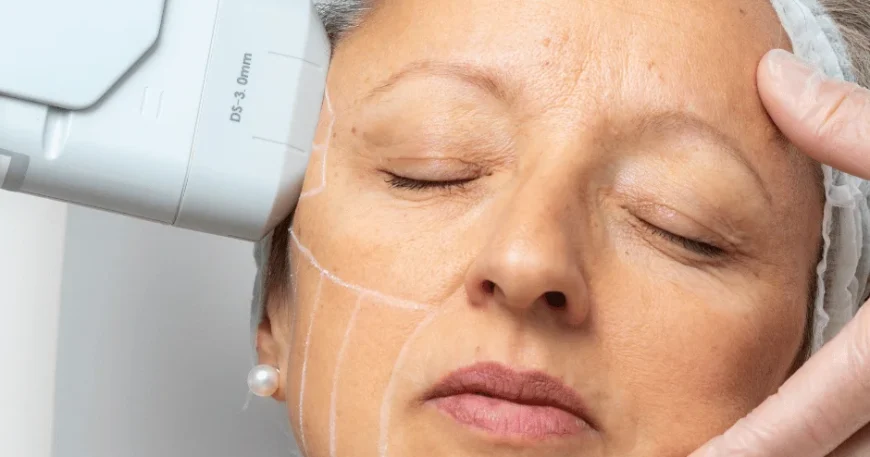
The Science Behind Laser Treatments for Skin Resurfacing

Laser skin resurfacing uses concentrated light to treat the outer and middle layers of skin. Laser treatments emit a specific wavelength, and each one reaches a set depth in the skin. When water in skin cells absorbs this light, the tissue heats up or vaporizes in a controlled way. Here is more information on the science behind several laser approaches so you know what to expect:
Operating Specialized Ultraviolet Laser
While many resurfacing laser treatments use infrared light, an excimer laser emits ultraviolet B light. The beam covers only small patches, so healthy skin nearby receives little exposure. Dermatology providers use this tool for conditions such as psoriasis and vitiligo. It does not smooth wrinkles or remove scars.
Sessions are typically short, but most plans involve a series of visits over several weeks. The UV light slows the overactive skin cell growth seen in psoriasis. Since UV exposure carries its own risks, providers track each dose carefully. They also check your skin between sessions for signs of irritation.
Using Dual-wavelength Laser System
A dual-wavelength system combines two laser beams in one device, and each beam treats a different skin depth. One design pairs a shorter ablative wavelength with a longer wavelength that works deeper. The ablative beam removes thin columns from the skin’s surface. Your skin then rebuilds these columns with fresh tissue.
Since the deeper-penetrating beam leaves the surface intact, it heats the tissue below without removing it. This heat triggers the body’s natural collagen production. Collagen gives skin its structure, and new collagen forms gradually over several months. The process continues well after your appointment ends.
Your provider adjusts the settings for each wavelength separately. This flexibility matters because skin type, tone, and goals differ from person to person. Deeper settings treat more tissue, but they also lengthen the recovery period. Your provider can explain the expected downtime for your chosen settings during your consultation.
Reducing Inflammation
Every laser treatment creates a short-term inflammatory response in the treated skin. Redness and swelling may appear within hours, and they typically fade over several days. Your provider may suggest the following steps while your skin recovers:
- Apply cool compresses for short periods
- Use a gentle, fragrance-free moisturizer
- Wear broad-spectrum sunscreen every day
- Skip retinoids and exfoliants until your provider approves them
Keeping your skin physically calm during recovery is beneficial, and consistency in your aftercare routine will make a noticeable difference. Use products designed specifically for sensitive skin, as harsh ingredients can exacerbate irritation. While your skin heals, remember that avoiding direct sunlight and following your provider’s instructions will help promote optimal results.
Targeting Specific Areas
Before treatment begins, your provider maps the areas that need attention. Thin skin around the eyes needs lower energy settings. Fractional lasers treat a grid of tiny zones, and the untouched skin between them supports faster healing. Typical treatment areas include the following:
- Fine lines around the eyes and mouth
- Sun spots on the cheeks, chest, and hands
- Acne scars along the jawline
- Uneven texture on the forehead
Schedule Laser Treatments Today
Each laser works differently, and the right choice depends on your skin type and medical history. Before any treatment starts, a consultation lets a trained provider review your goals. Bring a list of your current skincare products and medications. Contact a dermatology clinic today to schedule your laser consultation.




