

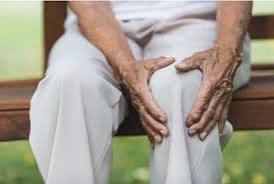
Understanding the Common Causes of Knee Pain in Active Adults

Knee pain can develop from overuse, sports injuries, muscle imbalances, joint wear, or sudden changes in activity levels. Repeated stress on the knee can affect the surrounding muscles, ligaments, tendons, and cartilage. Here is an overview of the common causes of knee pain in active adults:
Overuse and Repetitive Strain
Overuse occurs when the knee performs the same motion repeatedly without enough time to recover. Running, cycling, stair climbing, and kneeling repeatedly stress the tendons and soft tissues around the joint. When this stress builds faster than the body repairs it, irritation develops in areas such as the patellar tendon, causing knee pain. Symptoms often start as mild soreness after activity, but they sometimes progress to discomfort during rest. If you have existing osteoarthritis, repetitive strain adds stress to a joint that already has reduced cushioning.
Sports and Activity Injuries
Sudden movements during sports and recreation place increased loads on the knee in a short period. Pivoting, jumping, and abrupt stops can cause knee pain and acute injuries; contact sports add the risk of direct impact. Although some injuries heal with conservative care, others leave lasting changes in the joint. Common injuries include the following:
- Ligament tears: Tears in the anterior cruciate ligament (ACL) and medial collateral ligament (MCL) often occur during twisting or sideways impact.
- Meniscus tears: The meniscus is a C-shaped cartilage pad that cushions the joint; it can tear during squatting or twisting under load.
- Patellar dislocation: The kneecap shifts out of its groove, usually during a sudden change of direction.
- Bursitis: Small fluid-filled sacs called bursae become irritated from falls, kneeling, or repeated friction.
Joint and Cartilage Changes
Cartilage is the smooth tissue that covers the ends of bones and allows the knee to glide during movement. This tissue thins, and the joint loses some of its ability to absorb impact over time, which may cause knee pain. While age plays a role, activity history, body weight, and genetics also influence these changes.
How Does Osteoarthritis Develop?
Osteoarthritis is a condition in which cartilage gradually wears down, and the bone beneath it changes shape. Bone spurs, which are small bony growths along the joint edges, often form as the condition progresses. Some people notice morning stiffness, and others report swelling or grinding sensations after activity. Moderate to severe cases often limit walking distance, stair use, and sleep quality.
When Do Conservative Treatments Fail?
Conservative care generally includes physical therapy, weight management, bracing, oral medications, and injections. These approaches help some people, but some adults continue to experience persistent knee pain. If symptoms limit daily function after several months of treatment, a specialist may suggest minimally invasive procedures. These options aim to address pain without the extended recovery associated with a total knee replacement.
Muscle and Movement Imbalances
The muscles around the hip, thigh, and calf control how force moves through the knee. Weak quadriceps reduce shock absorption, and tight hamstrings restrict range of motion. When the hip muscles lack strength, the knee may collapse inward during squats, lunges, or stair descent. This pattern, called knee valgus, increases stress on the inner joint.
Foot mechanics also affect alignment. Flat feet or high arches change how the lower leg rotates, and that rotation transfers stress to the knee. A provider who evaluates your gait identifies these patterns, and this information guides treatment planning for knee pain.
Schedule Your Knee Pain Appointment
Knee discomfort often stems from a combination of factors, including improper alignment, muscle imbalances, and foot mechanics. Identifying patterns provides valuable insight into the underlying causes and forms a fundamental part of developing effective treatment strategies. Addressing these imbalances may not reverse advanced joint damage; it serves as a foundational step in managing symptoms and improving long-term joint health. Contact a qualified healthcare provider near you to schedule your knee pain appointment today.




