

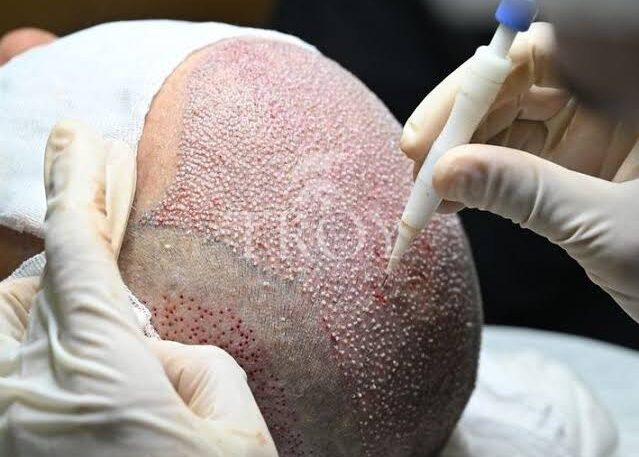
The Benefits of Hair Transplant for Hair Loss Solutions

Hair transplants relocate healthy hair follicles from donor areas of the scalp to regions affected by thinning or baldness. Because the transplanted follicles are genetically resistant to hair loss, the results are permanent. Patients can expect natural-looking coverage that doesn’t require replacement; this makes the procedure a reliable, long-term solution. Here is more information on hair loss solutions:
What Are Hair Loss Solutions?
Hair loss affects millions of people. Common hair loss solutions include:
- Topical medications, which slow shedding and encourage regrowth
- Wigs and hairpieces, which offer a non-surgical way to conceal thinning areas
- Hair transplant, which is a more involved procedure with effective outcomes
Unlike topical treatments that require continuous use to maintain results, a hair transplant relocates permanent, DHT-resistant follicles to balding areas.
What Is a Hair Transplant?
A hair transplant is a surgical procedure that redistributes hair follicles from a donor area to areas experiencing thinning or baldness. The donor area is usually the back or sides of the scalp. Hair in this region tends to resist the hormonal triggers responsible for pattern baldness, so surgeons select it as the source of grafts. Surgeons harvest these follicles, and they place them individually into the recipient site, following the natural direction and angle of existing hair growth.
Two primary techniques include follicular unit transplantation (FUT) and follicular unit extraction (FUE). When FUT is performed, the surgeon removes a strip of scalp tissue and divides it into individual grafts. FUE extracts follicles one at a time using a specialized punch tool. Each method has distinct recovery timelines and scarring patterns; patients should discuss both options with a qualified surgeon.
What Does It Involve?
The transplant process begins with a consultation. During this visit, a surgeon evaluates the patient’s scalp, hair density, and donor supply; this assessment determines candidacy and informs the surgical plan. The plan may include graft count and placement pattern. Surgeons also discuss expectations because results depend on factors like hair texture, scalp laxity, and the extent of existing hair loss.
On the day the surgery is conducted, local anesthesia numbs both the donor and recipient areas. The surgeon extracts follicles, and they implant them into tiny incisions across the balding region. The full procedure can take several hours, depending on the number of grafts required. Patients may return home the same day.
Recovery involves mild swelling and scabbing around the transplanted area. Transplanted hairs may shed. This shedding is normal, and new growth begins a few months later. Full results usually become visible up to one year after surgery, although the timeline varies by patient.
What Are the Benefits?
Hair transplants offer several advantages for patients seeking longer-lasting hair restoration. Transplanted follicles retain their resistance to hormonal shedding even after relocation; this means patients are not required to apply topical treatments or take medication on an ongoing basis. The procedure may produce a natural appearance because surgeons map hair growth patterns and angles to match the patient’s existing hairline.
Scarring from modern FUE techniques may be minimal. Patients resume normal activities within days, and recovery times are generally manageable when post-procedure guidelines are followed correctly. Patients may report improved interactions in social and professional settings, which makes hair transplants a valuable option for individuals seeking a lasting resolution rather than a temporary fix.
Explore Hair Loss Solutions Today
Hair loss affects daily life, and understanding the available options helps patients make informed treatment decisions. Hair transplants provide a permanent, natural-looking solution by relocating resistant follicles to thinning areas. If you are exploring hair loss solutions, consult a hair restoration specialist.




