

Understanding Orthopedics From Diagnosis to Treatment

Orthopedics focuses on diagnosing and treating conditions affecting the bones, joints, muscles, and related tissues. Care begins with evaluating symptoms and identifying their cause. Here is a closer look at orthopedics, from diagnosis to treatment:
Comprehensive Evaluation and Diagnosis
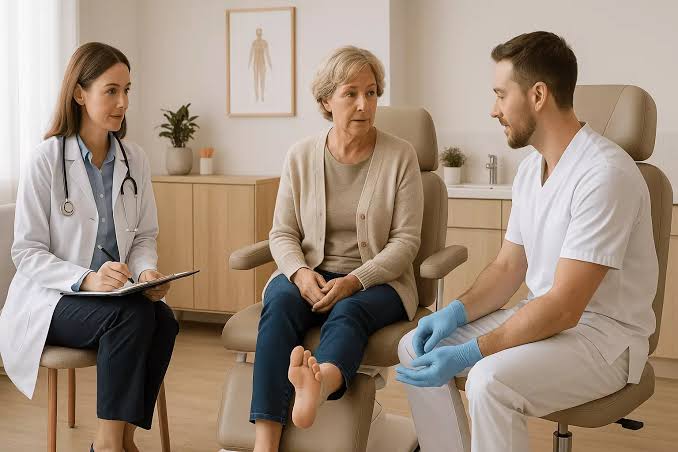
The diagnostic process in orthopedics begins with a detailed conversation about your symptoms. Your specialist asks when the pain started, what activities make it worse, and whether it affects one joint or several. If you’ve had a joint replacement in the past, the specialist reviews the procedure date and any changes you have noticed since then. Bring a list of your medications and prior imaging results, and write down your questions before the visit.
A physical exam follows the conversation. The specialist checks your range of motion and observes how you walk and stand. X-rays show the condition of the bones and the space between them, while an MRI provides detailed pictures of soft tissues such as cartilage and ligaments. The specialist combines these findings to establish a diagnosis that guides treatment decisions.
Nonsurgical Treatment Options
Care plans often start with nonsurgical treatment options in orthopedics. Your specialist recommends options based on your diagnosis, activity level, and overall health, and the plan often combines several approaches. Although each plan differs, common options include the following:
- Physical therapy: A therapist teaches exercises that strengthen the muscles around the joint and improve flexibility.
- Activity modification: You adjust daily routines, such as switching from running to swimming, to reduce stress on the joint.
- Medications: Your specialist reviews over-the-counter or prescription options for managing pain and swelling.
- Assistive devices: Canes, walkers, and braces provide support and help you move with more stability.
- Weight management: Your specialist may discuss weight goals, as body weight affects the load placed on hip and knee joints.
Surgical Treatment Options
Surgery becomes a topic of discussion when nonsurgical care does not control symptoms or when imaging shows significant joint damage. Your specialist reviews your test results, daily limitations, and health history before recommending a procedure. Contemplate your personal goals, such as returning to work or walking without assistance.
Joint Replacement Surgery
Joint replacement surgery removes damaged bone and cartilage and replaces them with artificial parts made of metal, plastic, or ceramic. A partial replacement addresses one damaged area of the joint, while a total replacement addresses the entire joint surface. Your specialist explains which option fits your diagnosis.
Revision Surgery
Revision surgery corrects problems with a previous joint replacement. In some patients, an artificial joint loosens, wears down, or becomes unstable over time. If you notice these changes, your specialist evaluates the implant with imaging and a physical exam. This procedure often involves more planning than the original surgery, so your specialist reviews each step with you in detail.
Personalized Rehabilitation and Aftercare
Rehabilitation in orthopedics begins soon after surgery and plays a key role in recovery. A physical therapist designs a program to rebuild strength, restore range of motion, and teach safe ways to perform daily tasks. Some programs start with simple movements, and they progress to more demanding exercises as your joint heals. Follow the program as written, and report any new pain or swelling to your care team.
Follow-up appointments allow your specialist to monitor healing and check implant position. These visits usually include a physical exam, and some include X-rays. If you received nonsurgical treatment, follow-up visits help your specialist measure progress and adjust the plan.
Schedule Your Orthopedics Appointment
Orthopedics follows a structured path that covers diagnosis, treatment, and recovery. A specialist evaluates your symptoms, recommends nonsurgical care when appropriate, and discusses surgery if other options do not provide relief. Rehabilitation and follow-up visits keep your care on track. Contact a qualified orthopedic specialist near you to schedule your orthopedics appointment today.
- How to Match Your Eye Care Needs With the Right Kind of Visit in Warrenton
- FAQs About Urologists and Their Practices
- The Impact of Peripheral Neuropathy on Daily Life and Coping Mechanisms
- How SkinPen Microneedling Can Help with Fine Lines and Wrinkles
- Understanding the Long-Term Effects of Skin Tightening




