

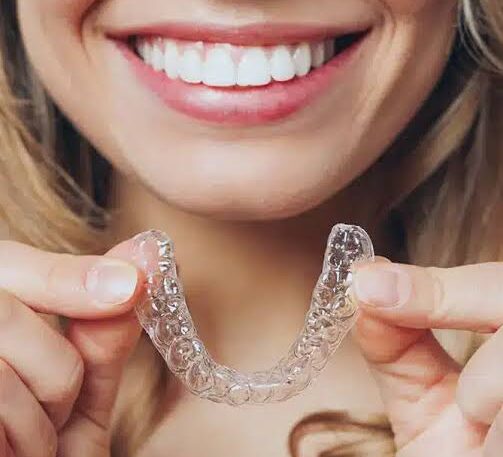
The Role of Orthodontics in Enhancing Your Smile

Orthodontic treatment addresses crowded, crooked, or misaligned teeth and bite concerns using appliances such as braces and clear aligners. These treatments gradually reposition teeth, and improved alignment may support chewing function, oral hygiene, and dental appearance. Because orthodontic needs differ among patients, treatment duration and appliance selection depend on individual alignment concerns and dental evaluations. Here is more information about the role of orthodontics in enhancing your smile:
Treating Common Alignment Issues
Orthodontics treats tooth positioning and bite irregularities that affect dental alignment, appearance, and oral function. Dentists evaluate the relationship between the teeth and jaws to identify specific concerns and recommend appropriate treatment options. Common orthodontic conditions include:
- Correcting crowded or overlapping teeth
- Straightening crooked teeth
- Addressing crossbites, overbites, and underbites
- Evaluating jaw misalignment
- Closing visible gaps between teeth
Because alignment concerns vary between patients, orthodontic evaluations help determine suitable appliances and individualized treatment plans.
Choosing Between Aligners and Braces
Clear aligners use a series of custom-made, removable trays to gradually reposition teeth. Patients remove the trays when eating, drinking certain beverages, and completing daily oral hygiene routines. Because treatment requires consistent wear, clear aligners may suit patients who follow the recommended schedule.
Traditional metal braces use brackets and wires to apply controlled pressure and gradually move teeth into alignment. Orthodontic providers adjust these appliances throughout treatment to guide tooth movement. Braces are often recommended for complex alignment concerns that require precise adjustments.
Both treatment options address dental misalignment, although their suitability depends on individual orthodontic needs. Dentists evaluate tooth positioning, bite relationships, and patient preferences before recommending an appropriate appliance. Treatment duration varies according to alignment severity, appliance selection, and individual progress.
Evaluating Your Orthodontic Needs
Orthodontic evaluations begin with reviewing dental history, examining tooth alignment, and discussing individual treatment goals. Dentists assess bite relationships, jaw positioning, and overall oral health to identify alignment concerns. Because treatment needs vary, diagnostic imaging may provide additional information about tooth roots and jaw structures. Common evaluation steps include:
- Reviewing dental and medical history: Identifying previous dental treatments, existing conditions, and health factors that may influence orthodontic care.
- Examining tooth and jaw alignment: Evaluating crowded, crooked, or overlapping teeth alongside the positioning of the upper and lower jaws.
- Assessing bite irregularities: Checking for crossbites, overbites, underbites, and other alignment concerns that affect how teeth meet.
- Taking diagnostic dental X-rays: Examining tooth roots, jaw structures, and developing teeth to identify concerns not visible during routine examinations.
- Discussing orthodontic treatment goals: Understanding patient preferences regarding dental appearance, oral function, treatment duration, and daily appliance maintenance.
- Comparing braces and clear aligners: Reviewing appliance features, treatment requirements, and suitability based on individual alignment needs.
Following the evaluation, dentists develop personalized treatment plans based on examination findings and patient preferences. These plans outline recommended appliances, estimated treatment timelines, and follow-up appointments. Regular monitoring allows providers to assess tooth movement and adjust treatment recommendations when necessary.
Schedule With Orthodontics Today
Orthodontic evaluations help identify crowded teeth, bite irregularities, and other alignment concerns affecting oral health. Dentists examine tooth positioning, review dental history, and discuss treatment goals before recommending appropriate orthodontic options. Because individual needs vary, treatment plans may include traditional braces or clear aligners based on examination findings. Contact an orthodontic provider in Yonkers, New York, today to schedule an evaluation and explore available treatment options.