

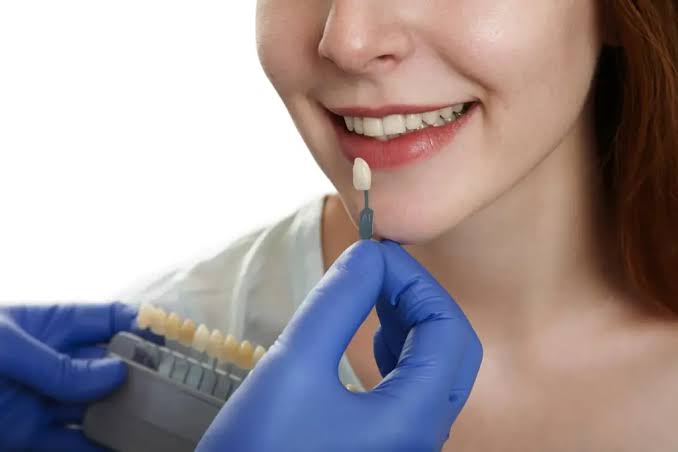
Enhancing Your Smile With Cosmetic Bonding Techniques

Cosmetic dentistry focuses on the appearance of your teeth and gums, and treatments include whitening, veneers, crowns, and bonding. Cosmetic bonding is a conservative option because it removes very little natural tooth structure. Here is more information on the bonding process, materials, comfort, and timing:
Using Tooth-colored Composite Resin
Dentists use composite resin for cosmetic bonding. This material blends plastic with fine glass particles, giving it strength and a lifelike finish. Resin comes in many shades, and your cosmetic dentistry team picks the one closest to your tooth color. Certain drinks may darken the material, so you may want to limit them. Composite resin offers several practical features:
- It bonds directly to the tooth surface.
- It comes in a wide range of shades.
- It allows shaping and polishing in one visit.
- It allows simple touch-ups if it chips later.
Repairing Tooth Damage
When a tooth chips or cracks, a dentist may use bonding to rebuild the missing area. Bonding works well for small to moderate flaws. The material fills the gap, and the dentist shapes it to match the tooth’s outline.
Bonding also covers stains, and it closes small gaps between teeth. Some stains do not respond to whitening because they sit deep inside the tooth. In some cases, a thin layer of resin can hide this discoloration.
Bonding has limits. Large fractures may need a crown, and severe decay typically requires other treatment first. To make a decision, your dentist will examine the tooth before they recommend a repair option.
Avoiding Anesthesia
Most bonding procedures do not involve drilling, so many patients skip anesthesia altogether. The dentist works mainly on the outer surface of the tooth. If the bonding fills a cavity or sits near a nerve, your dentist may use a local numbing agent.
Patients who dislike needles may prefer this approach. You skip the lingering numbness, and you may eat and speak normally right after the visit. Before beginning, tell your dentist about any tooth sensitivity at your consultation.
Providing a Quick Treatment
Cosmetic bonding takes 30 to 60 minutes per tooth. Veneers and crowns typically require lab work, but bonding happens entirely in the dental chair. Since the dentist finishes in one visit, you do not need a temporary restoration. A typical bonding appointment follows these steps:
- Shade selection to match your teeth
- Light roughening of the tooth surface
- Application of a conditioning liquid
- Placement and shaping of the resin
- Hardening with a curing light
- Final trimming and polishing
Treating several teeth takes longer, and your dentist may split the work across two visits. You may return to work or school right after your appointment. Since fresh resin may absorb stains more easily, avoid dark drinks for 48 hours.
Schedule Cosmetic Dentistry Services
Bonding suits many minor cosmetic concerns, but it is not the right choice for every patient. A consultation helps you learn whether bonding fits your teeth and goals. Bring a list of questions about cost, upkeep, and lifespan. Contact a clinic near you when you want to schedule a cosmetic dentistry evaluation.
- How to Match Your Eye Care Needs With the Right Kind of Visit in Warrenton
- FAQs About Urologists and Their Practices
- The Impact of Peripheral Neuropathy on Daily Life and Coping Mechanisms
- How SkinPen Microneedling Can Help with Fine Lines and Wrinkles
- Understanding the Long-Term Effects of Skin Tightening