
Pacemaker Device Frequently Asked Questions

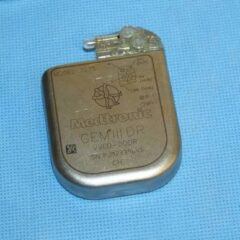
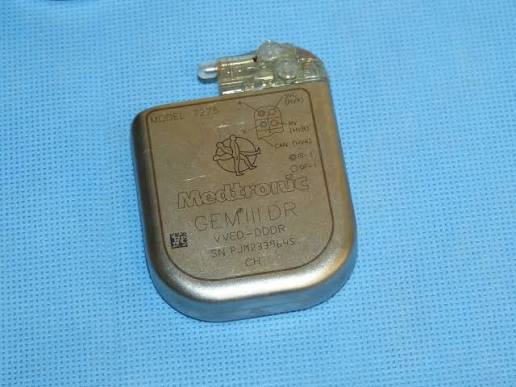
A pacemaker is a small, battery-powered device that helps regulate your heart’s rhythm. It sends low-energy electrical pulses to the heart muscle when the heart beats too slowly or skips beats. Most pacemakers have two main parts: the pulse generator, about the size of a matchbox, and thin wires that connect it to the heart. Here are some common questions about pacemakers:
Why Do I Need a Pacemaker?
Your heart has its own electrical system. A cluster of cells called the sinus node sets the pace, and signals travel through the heart to trigger each beat. When this system slows down or gets interrupted, the heart may not pump enough blood to meet your body’s needs. A pacemaker helps keep your heartbeat steady, and doctors commonly recommend it for:
- Bradycardia: A slow heart rate, often below 60 beats per minute at rest, that causes symptoms.
- Sick sinus syndrome: The sinus node fires irregularly or alternates between fast and slow rhythms.
- Heart block: Electrical signals are delayed or stopped as they move from the upper to the lower chambers.
- Certain types of heart failure: A biventricular pacemaker coordinates the timing of the two lower chambers.
How Is It Implanted?
Pacemaker implantation usually takes place in a hospital’s cardiac catheterization or electrophysiology lab. You receive a local anesthetic at the incision site and a sedative to help you relax; many people stay awake but drowsy. The physician makes an incision just below the collarbone. Guided by X-ray imaging, they thread the leads through a vein and into the correct chambers of the heart. The leads are tested and attached to the pulse generator, which sits in a small pocket under the skin.
Some patients receive a leadless pacemaker instead. This capsule-sized device travels through a vein in the leg and is placed directly inside the heart, and there’s no chest incision. Many patients go home the same day or after one night. For a few weeks, avoid raising the arm on the implant side above your shoulder and skip heavy lifting. This allows the device to settle into place while the heart tissue heals.
How Is the Device Monitored?
Doctors regularly monitor pacemakers to confirm they function properly and meet the patient’s needs. Follow-up visits typically begin within a few weeks of the procedure. Each check reviews battery life, lead function, and any recorded rhythm events. During in-office checks, a programming wand is placed over the device to read data and adjust settings. Some devices are monitored remotely; a transmitter or app sends information to your clinic. Contact your care team if you notice a return of your earlier symptoms.
Will It Need To Be Replaced?
Pacemaker batteries can last 5 to 15 years, depending on how often the device paces and how it is programmed. Routine checks track battery levels, so your care team plans replacement months in advance. The leads generally stay unless testing shows a problem. A replacement is usually simpler than the first procedure. The physician:
- Opens the existing pocket
- Removes the old generator
- Connects a new one to the leads already in place
Visit a Vascular Specialist Today
A pacemaker can help maintain a steady heart rhythm and improve quality of life for people with certain heart conditions. Regular monitoring and follow-up care help confirm the device continues to work as intended. If you experience dizziness, fatigue, or an unusually slow heartbeat, a vascular specialist can evaluate your symptoms and determine whether a pacemaker is appropriate. Contact a vascular specialist today to schedule a consultation.