
Techniques for Effective Wound Care Management

When a cut, burn, or sore heals slowly, a structured care plan guides each step of treatment. Wound care includes cleaning, protecting, and monitoring damaged skin. Some wounds respond to basic home care, but others need medical treatment. Here are four techniques and how to find wound care services:
Healthy Lifestyle Changes
Daily habits affect your body’s ability to repair tissue. Protein supplies building blocks for new skin, and vitamin C supports collagen production. Since high glucose levels may damage small blood vessels, wounds on the feet and legs often heal slowly. If you smoke, it may slow oxygen delivery to the wound. Try these steps:
- Eat lean protein, such as eggs, fish, beans, or poultry
- Drink water throughout the day
- Stop smoking or join a cessation program
- Walk or move regularly to support circulation
Negative Pressure Therapy
Negative pressure wound care therapy uses a sealed dressing and a small vacuum pump. The pump draws fluid away from the wound while the dressing keeps the area covered. The device runs continuously, or your provider may set it to cycle on and off.
Providers may use this therapy when a wound is large, deep, or slow to close. Examples include surgical wounds, pressure injuries, and diabetic foot ulcers. Some patients wear the device at home, and others use it during a hospital stay.
The dressing typically needs changing every two to three days, and a nurse typically handles it. Most portable pumps fit in a small shoulder bag. If the alarm sounds or the seal loosens, contact your care team for instructions. This therapy does not suit wounds with untreated infection or exposed blood vessels.
Specialized Wound Dressings
Since wounds differ in moisture and depth, providers match the dressing to the wound. Each material serves a specific purpose. Some dressings absorb heavy drainage, and others add moisture to dry tissue. They may involve:
- Foam: absorbs moderate to heavy drainage and cushions the area
- Hydrocolloid: holds moisture in shallow wounds with light drainage
- Alginate: comes from seaweed and soaks up large amounts of fluid
- Silver or honey: reduces bacteria in wounds at risk of infection
- Compression wraps: apply steady pressure to the lower legs
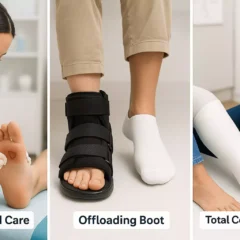
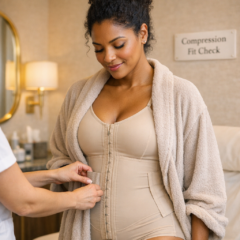
Compression therapy treats venous leg ulcers, and it often pairs with an absorbent dressing. Wraps, bandages, or stockings push fluid out of swollen tissue. Your provider will measure your legs first because incorrect pressure may harm circulation. People with peripheral artery disease need blood flow testing before starting compression.
Surgical Debridement
Surgical debridement removes dead or infected tissue from a wound. A clinician performs this procedure when damaged tissue blocks new growth. The provider uses a scalpel, scissors, or curette, and local anesthetic numbs the area first.
Although the wound may look larger afterward, the clean base allows new tissue to form. Some wounds need one session, but others require repeat treatments over several weeks. Your provider will explain aftercare steps and dressing changes. Watch for fever, spreading redness, or new pain between visits.
Find Wound Care Services
A wound care clinic treats new cuts, burns, and minor wound infections without an appointment. Clinicians clean and close fresh wounds, and they refer slow-healing wounds to a specialist. If a wound shows no improvement after two weeks, schedule an evaluation. Bring a list of your medications and health conditions to the visit.