

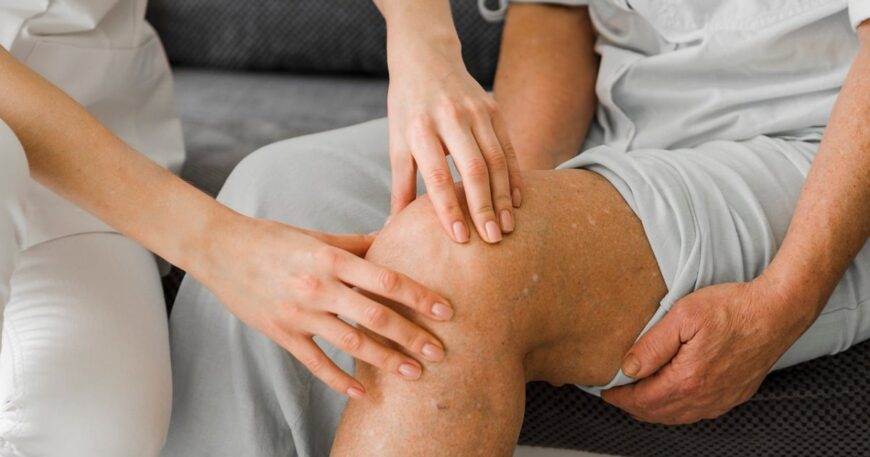
Understanding the Different Types of Leg Pain and Their Causes

Leg pain is a common medical condition that can stem from a wide range of underlying conditions. Some discomfort results from minor strain and resolves with rest. Other pain signals a serious problem with the blood vessels, nerves, muscles, or bones that requires prompt evaluation. Because the legs contain so many interconnected structures, identifying the source of pain is the first step toward effective treatment. Understanding the main categories of leg pain can help you recognize your symptoms, communicate clearly with your physician, and seek the right care.
Vascular Pain
Peripheral artery disease (PAD) is caused by a buildup of plaque that narrows the arteries supplying the legs. Many patients experience cramping or aching in the calves, thighs, or buttocks during walking that eases with rest, a symptom known as claudication. Advanced PAD may cause pain at rest, slow-healing wounds, or cool, discolored skin.
Varicose veins develop when valves within the veins weaken, allowing blood to pool. These enlarged, twisted veins can cause heaviness, throbbing, itching, and fatigue in the legs, particularly after prolonged standing. Spider veins can also fall in this pain category.
Nerve Pain
Nerve pain, also called neuropathic pain, arises when nerves are damaged, irritated, or compressed. This type of pain is often described as burning, tingling, shooting, or electric, and it may be accompanied by numbness or weakness. Symptoms may begin in the feet and may gradually progress upward.
Sciatica occurs when the sciatic nerve, which extends from the lower back down each leg, becomes compressed or inflamed. A herniated disc, spinal stenosis, or bone spur is often responsible. Pain often radiates from the lower back or buttock down the back of one leg.
Musculoskeletal Pain
Musculoskeletal pain affects the muscles, tendons, ligaments, joints, and bones. It is often related to injury, overuse, or degenerative changes over time. This type of pain often doesn’t resolve on its own and can worsen with time.
Muscle strains occur when muscle fibers are overstretched or torn, frequently during physical activity. Muscle cramps, which may be linked to dehydration or electrolyte imbalances, can also cause sudden, intense discomfort. Tendinitis, such as inflammation of the Achilles tendon, typically produces pain that worsens with movement.
Joint conditions are another common source of leg pain. Osteoarthritis gradually wears down the cartilage in the hips, knees, and ankles, leading to stiffness and aching. Ligament and meniscus injuries in the knee may cause swelling, instability, and limited range of motion.
Bone-related causes include stress fractures, which result from repetitive force, and acute fractures caused by trauma. Less commonly, bone infections or tumors may produce deep, persistent pain. Swelling and tenderness can be common with all types of musculoskeletal pain.
When to Seek Emergency Care
While many forms of leg pain are evaluated during a scheduled appointment, some symptoms indicate a medical emergency. This includes acute or severe sudden leg pain. Seek immediate care if you experience any of the following:
- Sudden swelling, warmth, or redness in one leg, which may indicate DVT
- Shortness of breath or chest pain, which may signal that a clot has traveled to the lungs
- A leg that becomes cold, pale, or blue, suggesting a severe loss of blood flow
- Inability to bear weight or a visible deformity following an injury
- Sudden weakness, numbness, or loss of bladder or bowel control
- Fever accompanied by a red, swollen, or painful area of the leg
Prompt treatment in these situations can prevent serious complications and protect your long-term health. Seek care if pain cannot be managed with over-the-counter medications.
Get Leg Pain Care
An accurate diagnosis for leg pain allows your care team to address the underlying causes. Through a thorough examination and appropriate testing, a specialist can determine whether your pain is vascular, neurological, or musculoskeletal in origin and recommend a personalized treatment plan. If leg pain is affecting your mobility or quality of life, schedule an appointment with a specialist.
- How to Match Your Eye Care Needs With the Right Kind of Visit in Warrenton
- FAQs About Urologists and Their Practices
- The Impact of Peripheral Neuropathy on Daily Life and Coping Mechanisms
- How SkinPen Microneedling Can Help with Fine Lines and Wrinkles
- Understanding the Long-Term Effects of Skin Tightening




