
The Connection Between Melanoma and Sun Exposure

Melanoma develops when skin cells called melanocytes grow abnormally. Ultraviolet (UV) radiation from the sun is the leading trigger of this growth, and it damages the DNA inside these cells. Limiting UV exposure, using sun protection, and scheduling regular skin checks with a dermatologist are the most effective ways to reduce melanoma risk. Here is more information on what causes melanoma, how UV exposure contributes to its development, and what dermatologists recommend to lower risk:
What Causes Melanoma?
Melanoma originates in melanocytes, the cells that produce melanin, the pigment that gives skin its color. When the DNA inside these cells sustains damage, the cells can begin to multiply uncontrollably. This abnormal growth forms a tumor. If left untreated, the tumor may spread to other parts of the body; early detection is valuable.
Several non-modifiable factors contribute to melanocyte damage and influence a person’s overall risk of developing melanoma:
- Genetic predisposition: A family history of melanoma or a high number of atypical moles increases risk.
- Fair skin: Skin with low melanin levels offers less natural protection against ultraviolet radiation.
- Light-colored eyes: This trait is associated with higher susceptibility to UV-related skin damage.
These traits cannot be changed, but they determine how closely a person should monitor their skin and how much protection they need.
How Is Sun Exposure Connected?
Ultraviolet radiation damages the DNA within skin cells. Repeated exposure compounds this damage over time, and the changes accumulate with each exposure. Although UVA rays penetrate deep into the skin and contribute to long-term cellular changes, UVB rays cause the surface burns that signal immediate harm. Both types contribute to melanoma risk, which is why protection against the full UV spectrum matters.
A history of severe sunburns, especially during childhood, correlates with melanoma development later in life. Cumulative exposure also matters, because people who spend extended periods outdoors without protection face elevated risk, even if they rarely burn. Tanning beds emit concentrated UV radiation directly onto the skin, and their use introduces a similar danger.
Melanoma can develop on skin that has never been sunburned, and it also has the potential to appear in areas rarely exposed to sunlight, such as the soles of the feet or under nails. Sun exposure remains a major factor. This pattern suggests that it works alongside genetic and biological processes rather than acting alone.
What Does a Dermatologist Recommend?
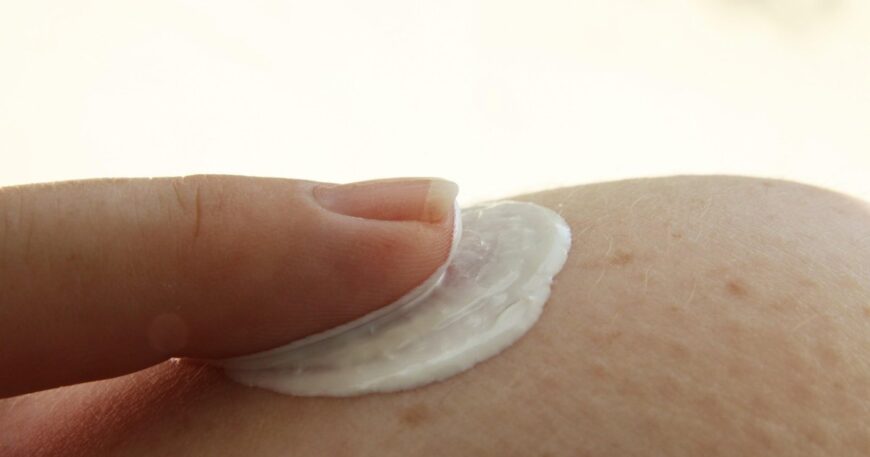
A dermatologist typically recommends a combination of daily protection and routine monitoring. Applying broad-spectrum sunscreen reduces cumulative UV damage, and reapplying it every few hours when outdoors maintains that protection. Protective clothing provides an additional barrier. Seeking shade during peak sun hours, which generally fall between 10 a.m. and 4 p.m., further limits exposure.
Dermatologists may recommend monthly self-examinations to track changes in existing moles or the appearance of new ones. The ABCDE method offers a practical guide; patients should look for asymmetry, border irregularity, color variation, diameter larger than 6mm, and evolving size or shape. Patients should schedule a professional evaluation promptly if they notice any of these signs. Annual skin checks by a dermatologist enable early detection. During these visits, the dermatologist examines the entire body to identify suspicious lesions.
Visit a Dermatologist Today
Melanoma develops when UV-damaged melanocytes grow abnormally, and consistent sun exposure is a controllable factor in that process. Daily sun protection, awareness of personal risk factors, and routine self-exams form the foundation of prevention. Combined with annual professional skin checks, these habits support early detection and better long-term outcomes. If you have new or changing moles, contact a dermatologist to arrange a skin examination.
- How to Match Your Eye Care Needs With the Right Kind of Visit in Warrenton
- FAQs About Urologists and Their Practices
- The Impact of Peripheral Neuropathy on Daily Life and Coping Mechanisms
- How SkinPen Microneedling Can Help with Fine Lines and Wrinkles
- Understanding the Long-Term Effects of Skin Tightening