
Achieving Natural Hair Regrowth Through PRP Hair Restoration

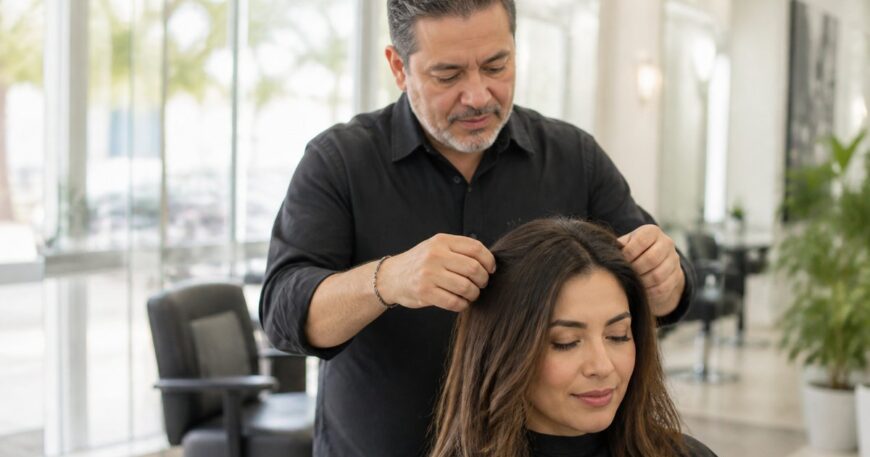
Platelet-Rich Plasma (PRP) hair restoration uses platelet-rich plasma from a patient’s blood to support hair follicle activity and address thinning hair. During treatment, a clinician draws blood, separates the platelet-rich plasma, and injects it into targeted areas of the scalp. Because hair loss may result from genetics, hormonal changes, or other factors, providers evaluate individual needs before recommending this nonsurgical treatment. Here is more information about achieving natural hair through PRP hair restoration:
Understanding PRP Hair Restoration
PRP hair restoration uses a concentrated portion of the patient’s blood to support hair follicle activity. Platelets contain growth factors involved in tissue repair, and these components help stimulate hair growth in certain individuals. During treatment, a clinician draws blood and processes it through a centrifuge to separate the platelet-rich plasma from other blood components.
Once prepared, the platelet-rich plasma is injected into targeted areas of the scalp where hair thinning has occurred. Because PRP comes from the patient’s own blood, treatment does not require synthetic growth factors or donor-derived plasma. This nonsurgical approach may support natural hair growth, although treatment responses vary depending on the underlying cause of hair loss.
Activating Dormant Hair Follicles
Hair follicles cycle through growth, transition, and resting phases, and disruptions to these cycles may contribute to hair thinning. PRP injections deliver concentrated platelets and growth factors into the scalp, where they support follicle activity and hair growth. Several growth factors found in platelet-rich plasma contribute to cellular processes, including:
- Platelet-derived growth factor: Supporting cell growth and tissue repair
- Vascular endothelial growth factor: Promoting blood vessel formation and circulation around hair follicles
- Epidermal growth factor: Supporting skin cell growth and tissue regeneration
These growth factors may influence follicle activity and surrounding tissue, although individual responses to PRP hair treatment vary. Research suggests potential benefits for certain types of hair loss, but results depend on individual factors and treatment protocols.
Combining PRP With Other Therapies
PRP hair treatment may be combined with other treatments to address hair thinning and support scalp health. Some providers offer red light or near-infrared light therapy, which supports hair growth through different biological processes. Because regenerative treatments vary in their applications, providers may offer PRP therapy for hair, skin, or joint concerns. Combining treatments depends on individual health needs, hair loss patterns, and the available evidence supporting each approach. Patients interested in multiple therapies should discuss their options with a provider to determine an appropriate treatment plan.
Caring For Hair After Treatment
Aftercare following PRP hair restoration focuses on protecting the scalp, minimizing irritation, and following provider recommendations during recovery. Because the scalp may experience temporary tenderness or redness after injections, patients should follow individualized instructions for washing and styling their hair. Common aftercare recommendations may include:
- Avoiding hair washing for the period recommended by the provider
- Limiting chemical treatments, including hair dyes and relaxers, during initial recovery
- Protecting the scalp from prolonged sun exposure following treatment
- Using gentle hair care products to minimize scalp irritation
- Scheduling follow-up treatments according to the recommended care plan
Hair growth changes typically develop gradually over several months, although individual results and treatment schedules vary.
Schedule Your PRP Consultation
PRP hair restoration uses growth factors from a patient’s own blood to address hair thinning and support follicle activity. This nonsurgical treatment may complement other regenerative therapies, although results vary depending on individual hair loss patterns and health needs. Because hair growth occurs gradually, patients require multiple treatment sessions and ongoing evaluations to monitor progress. Schedule a free discovery call today to discuss your hair restoration goals and explore available treatment options with a naturopathic provider.
- How to Match Your Eye Care Needs With the Right Kind of Visit in Warrenton
- FAQs About Urologists and Their Practices
- The Impact of Peripheral Neuropathy on Daily Life and Coping Mechanisms
- How SkinPen Microneedling Can Help with Fine Lines and Wrinkles
- Understanding the Long-Term Effects of Skin Tightening