

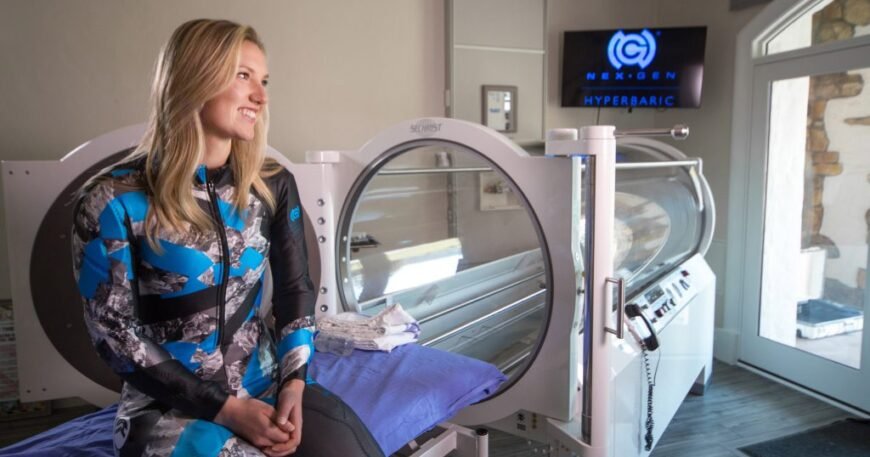
Advancements in Hyperbaric Therapy Technology

Hyperbaric therapy delivers 100% oxygen to the body inside a pressurized chamber. Room air contains 21% oxygen. This treatment raises oxygen levels to 100% inside the chamber. The chamber holds air at two to three times normal pressure, which helps the lungs absorb more oxygen. Increased absorption supports tissue repair throughout the body.
How Hyperbaric Therapy Works
Hyperbaric therapy increases oxygen levels in the blood. The pressurized environment compresses oxygen, allowing it to travel farther into damaged tissue than standard breathing does. High oxygen levels supply healing cells. These same levels also affect bacteria involved in wound infections, so the treatment supports recovery while limiting infection. Oxygen also supports the growth of new skin, blood vessels, and connective tissue.
Conditions the Treatment Addresses
Regulators have approved hyperbaric therapy for a defined set of conditions, and the treatment supports both chronic wounds and several acute, serious diagnoses that require increased oxygen delivery. Approved uses include carbon monoxide poisoning, decompression sickness, and air or gas embolism, along with radiation injuries, burns, and severe anemia. Additional approved conditions include skin grafts, gangrene, and severe bone or skin infections, as well as hearing loss, vision loss, and crush injuries. These conditions share a need for enhanced oxygen supply to affected tissues, and treatment selection depends on the specific diagnosis and clinical evaluation.
These conditions share a need for increased oxygen delivery. Some respond to oxygen alone. Others require additional medical treatment. Providers select therapy based on diagnosis and monitor response across the treatment course.
Chamber Types and Sessions
Two chamber designs support hyperbaric therapy. A monoplace chamber treats one person. The patient lies on a table that slides into the unit. A multiplace chamber treats several people at once. Patients receive oxygen through a mask or lightweight hood. Both systems deliver pressurized oxygen, though the setup differs.
Sessions follow a structured schedule. Each session lasts one to two hours. Providers schedule treatments once a week or up to five days a week. A full course can include 30 or more sessions, depending on condition, age and overall health. Most patients see changes after several sessions, so completing the planned course supports the treatment process.
Risks and Side Effects
Hyperbaric therapy carries defined risks, and most side effects remain mild and temporary. Some patients experience claustrophobia in smaller chambers. A mild sedative may help in those cases. Middle ear injuries and sinus congestion can also occur because pressure changes affect the ears and sinuses. The list below outlines recognized risks:
- Claustrophobia
- middle ear injuries
- sinus congestion
- Temporary nearsightedness
- oxygen toxicity
- Seizures
Temporary nearsightedness affects a measurable share of patients. Among those who receive 20 or more treatments, 20% to 40% experience temporary distance vision changes. The effect appears more often in patients with diabetes or those over 65. Most regain baseline vision. Oxygen toxicity and seizures remain rare, but providers monitor patients throughout each session.
Talk With a Provider
Hyperbaric therapy applies a controlled oxygen-rich environment to support healing across approved conditions. The technology relies on pressurized chambers, structured session schedules and continuous monitoring. These elements work together to deliver consistent oxygen exposure to tissues. A qualified provider reviews each diagnosis and evaluates whether treatment fits the clinical situation. They assess risks and benefits before recommending therapy. Talk with a provider to learn more.