

Cardiology Tests and Procedures: What They Are and Why They Matter

Heart health is something we often take for granted—until we feel chest pain, shortness of breath, or unusual fatigue. That’s when cardiology tests and procedures become essential. These medical exams help doctors understand how your heart is working and detect problems early. The good news is that many tests are simple, painless, and quick.
In this article, we will explain the most common cardiology tests and procedures in an easy-to-understand way. Whether you’re preparing for a test or just curious, this guide will help you know what to expect.
Why Cardiology Tests Are Important
Cardiology tests help doctors:
- Check the heart’s rhythm and function
- Detect blockages in arteries
- Measure blood flow and oxygen levels
- Identify heart valve issues
- Diagnose heart failure or heart attacks
Early detection often leads to better treatment outcomes. Many heart conditions develop slowly over time, and tests can catch problems before they become serious.
Common Cardiology Tests and Procedures
1. Electrocardiogram (ECG or EKG)
An ECG is one of the most common heart tests. It records the electrical signals of your heart using small stickers placed on your chest, arms, and legs.
What it shows:
- Heart rhythm
- Signs of a past heart attack
- Electrical abnormalities
Is it painful?
Not at all. It takes only a few minutes.
2. Echocardiogram (Echo)
This test uses sound waves (ultrasound) to create a moving image of the heart. It looks like a black-and-white video of your heart beating.
What it shows:
- Heart size and shape
- Valve function
- Pumping strength
Is it safe?
Yes. It is painless and does not use radiation.
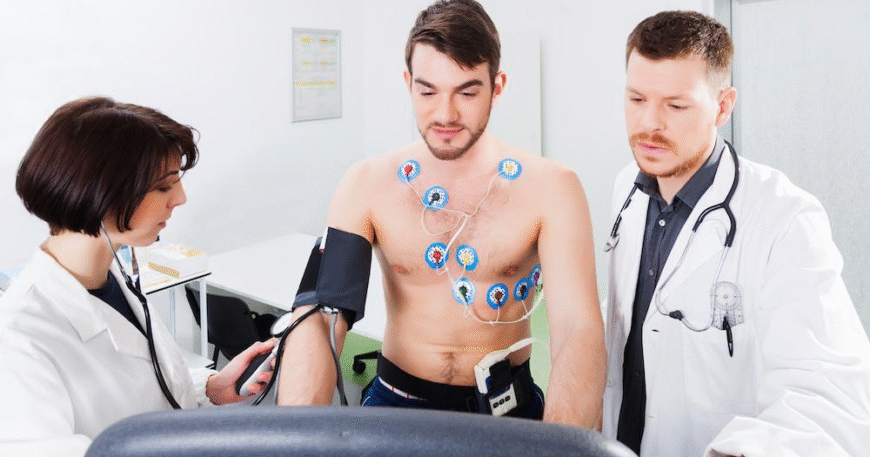
3. Stress Test (Exercise ECG)
A stress test checks how your heart works during physical activity. You may walk on a treadmill or pedal a stationary bike.
What it shows:
- How the heart performs under stress
- Blood flow to the heart
- Possible artery blockages
Why it’s done:
To diagnose conditions like coronary artery disease.
4. Holter Monitor
A Holter monitor is a small device worn for 24 to 48 hours. It records your heart’s electrical activity continuously.
What it shows:
- Irregular heart rhythms
- Symptoms that occur randomly
- Heart rate trends
Is it uncomfortable?
It can feel a bit awkward, but it is generally easy to wear.
5. Cardiac CT Scan
A CT scan uses X-rays to create detailed images of the heart and blood vessels.
What it shows:
- Calcium buildup in arteries
- Blockages
- Structural problems
Is there radiation?
Yes, but the amount is low and generally safe.
6. Cardiac MRI
An MRI uses magnetic fields to produce detailed images of the heart. It is especially useful for complex heart conditions.
What it shows:
- Heart muscle damage
- Structural abnormalities
- Valve problems
Is it safe?
Yes, but you must avoid metal objects during the test.
7. Coronary Angiography (Cardiac Catheterization)
This is a more advanced procedure. A thin tube (catheter) is inserted through a blood vessel, usually in the wrist or groin, and guided to the heart.
What it shows:
- Blockages in coronary arteries
- Blood flow issues
Is it painful?
Most people feel pressure, but it is not painful. Local anesthesia is used.
Why it’s important:
It helps doctors decide if you need a stent or bypass surgery.
8. Nuclear Stress Test
In this test, a small amount of radioactive dye is injected into your bloodstream. A special camera tracks blood flow to the heart.
What it shows:
- Areas with reduced blood flow
- Heart function during exercise
Is it safe?
Yes, the radiation level is low and leaves the body quickly.
9. Electrolyte and Blood Tests
Blood tests are essential for checking heart health. They can measure:
- Cholesterol levels
- Blood sugar
- Kidney function
- Heart enzymes
Why it matters:
High cholesterol and diabetes are major risk factors for heart disease.
What to Expect During Cardiology Tests
Most cardiology tests are quick and require little preparation. For example:
- ECG and Echo: No fasting required
- Stress Test: Wear comfortable clothes and shoes
- Blood Tests: Fasting may be needed
- CT or MRI: Remove metal objects
Your doctor will explain what you need to do before the test.
How to Prepare for a Cardiology Procedure
Here are general tips to prepare:
- Follow your doctor’s instructions carefully
- Avoid caffeine or smoking before stress tests
- Inform your doctor about medications
- Ask about allergies to contrast dye
- Bring a list of your symptoms and medical history
When Should You Get Tested?
You should consider cardiology testing if you have:
- Chest pain or tightness
- Shortness of breath
- Dizziness or fainting
- Rapid or irregular heartbeat
- High blood pressure or diabetes
- Family history of heart disease
Early testing can prevent serious complications.
Final Thoughts
Cardiology tests and procedures are powerful tools for protecting heart health. They help doctors diagnose issues early and choose the best treatment. Many tests are simple and safe, while others are more advanced but highly effective. The key is to listen to your body and seek help when something feels wrong.
5 FAQs About Cardiology Tests and Procedures
1. Are cardiology tests painful?
Most tests are painless, like ECGs and echocardiograms. Some procedures may cause mild discomfort, but doctors use anesthesia when needed.
2. How long does a stress test take?
A stress test usually takes about 30–60 minutes, including preparation and recovery time.
3. Do I need to fast before heart tests?
Some tests, especially blood tests and certain imaging scans, may require fasting. Your doctor will tell you.
4. Can cardiology tests detect a heart attack?
Yes. ECGs and blood tests can detect signs of a heart attack, while imaging tests can show damage to the heart.
5. How often should I get heart checkups?
It depends on your age and risk factors. Generally, adults should have a basic heart checkup every 1–2 years or sooner if symptoms appear.