

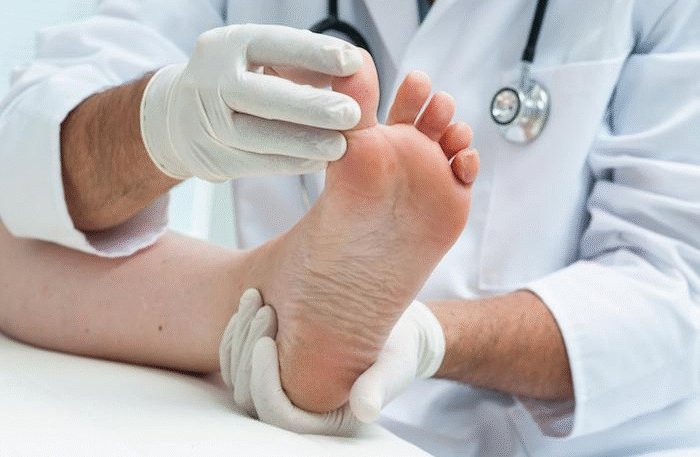
Diabetic Foot Care Guidelines: A Simple and Complete Guide

Living with diabetes means paying extra attention to many parts of your body, and your feet are one of the most important. Many people with diabetes develop foot problems because high blood sugar can damage nerves and reduce blood flow. This makes it harder for the feet to heal and easier for infections to start. The good news is that most serious foot problems can be prevented by following proper diabetic foot care guidelines.
This article explains diabetic foot care in a clear, simple, and practical way. Whether you are newly diagnosed or have lived with diabetes for years, these guidelines can help you protect your feet and stay active and healthy.
Why Diabetic Foot Care Is So Important
Diabetes can cause two major foot-related problems:
- Nerve damage (neuropathy) – This can reduce feeling in your feet, so you may not notice cuts, blisters, or burns.
- Poor blood circulation – This slows healing and increases the risk of infection.
When small injuries go unnoticed and untreated, they can turn into ulcers or serious infections. In severe cases, this may even lead to amputation. Following diabetic foot care guidelines daily can greatly reduce these risks.
Daily Foot Care Guidelines for People with Diabetes
1. Check Your Feet Every Day
One of the most important diabetic foot care guidelines is daily foot inspection.
- Look at the tops, soles, heels, and between the toes.
- Check for cuts, redness, swelling, blisters, cracks, or nail problems.
- Use a mirror or ask for help if you can’t see the bottom of your feet.
Even a small wound matters when you have diabetes.
2. Wash Your Feet the Right Way
Clean feet help prevent infection, but how you wash them matters.
- Wash your feet daily with lukewarm water, not hot.
- Use mild soap.
- Dry your feet gently, especially between the toes.
Never soak your feet for long periods, as this can dry the skin and cause cracks.
3. Keep Your Feet Moisturized (But Not Between Toes)
Dry skin can crack and allow bacteria to enter.
- Apply lotion or cream to the tops and bottoms of your feet.
- Avoid putting lotion between your toes, as moisture there can cause fungal infections.
Soft, healthy skin is your first line of defense.
Nail and Skin Care Guidelines
4. Trim Toenails Carefully
Improper nail care can lead to ingrown toenails or infections.
- Cut nails straight across.
- Do not cut them too short.
- File sharp edges gently.
If your nails are thick, curved, or hard to trim, see a podiatrist instead of doing it yourself.
5. Never Treat Corns or Calluses Yourself
Many people use blades, scissors, or chemical products to remove corns and calluses. This is dangerous for people with diabetes.
- Do not cut or shave calluses.
- Avoid over-the-counter corn removal products.
A foot specialist can safely remove them without causing injury.
Choosing the Right Footwear
6. Wear Proper Shoes at All Times
Shoes protect your feet from injury. One of the key diabetic foot care guidelines is never walking barefoot, even indoors.
Good diabetic-friendly shoes should:
- Fit well (not tight or loose)
- Have soft insides with no rough seams
- Provide good support
- Protect the toes
Always check inside your shoes before wearing them to make sure there are no stones, sharp edges, or objects.
7. Choose the Right Socks
Socks matter more than you might think.
- Wear clean, dry socks every day.
- Choose socks made of cotton or moisture-wicking material.
- Avoid tight elastic bands.
Special diabetic socks are designed to reduce pressure and improve comfort.
Protecting Your Feet From Injury
8. Be Careful With Heat and Cold
Because nerve damage can reduce feeling, you may not notice burns or frostbite.
- Never use heating pads or hot water bottles on your feet.
- Test bath water with your hand, not your foot.
- Wear warm socks in cold weather.
Extreme temperatures can cause serious injuries without pain.
9. Improve Blood Flow
Good circulation helps wounds heal faster.
- Avoid crossing your legs for long periods.
- Move your feet and toes throughout the day.
- Stay physically active as advised by your doctor.
Quitting smoking is also very important, as smoking reduces blood flow to the feet.
When to See a Doctor
10. Know the Warning Signs
Contact a healthcare provider right away if you notice:
- A cut or blister that doesn’t heal
- Redness, swelling, or warmth
- Pus or bad smell from a wound
- Black or blue skin color
- Pain or sudden numbness
Early treatment can prevent serious complications.
The Role of Blood Sugar Control
Good foot care works best when blood sugar levels are well controlled.
- High blood sugar slows healing.
- It increases infection risk.
- It worsens nerve damage.
Following your diabetes management plan—healthy eating, medication, and regular checkups—supports foot health too.
Emotional and Lifestyle Benefits of Good Foot Care
Taking care of your feet is not just about avoiding problems. It also helps you:
- Stay mobile and independent
- Enjoy walking and exercise
- Feel confident and comfortable
- Reduce stress about complications
Simple daily habits can make a big difference in your quality of life.
Final Thoughts
Diabetic foot care guidelines are not complicated, but they do require consistency. Checking your feet daily, wearing proper shoes, maintaining good hygiene, and seeing a healthcare provider when needed can protect you from serious problems.
Your feet carry you through life. With diabetes, they deserve extra care, attention, and respect. Making foot care part of your daily routine is one of the best investments you can make in your long-term health.
Frequently Asked Questions (FAQs)
1. Why are people with diabetes more likely to have foot problems?
Diabetes can damage nerves and reduce blood flow, making injuries harder to notice and slower to heal, which increases infection risk.
2. How often should I check my feet if I have diabetes?
You should check your feet every day, even if they feel fine and look healthy.
3. Can I walk barefoot at home?
No. Walking barefoot increases the risk of cuts and injuries. Always wear shoes or protective slippers.
4. What kind of shoes are best for diabetic feet?
Shoes that fit well, have soft interiors, good support, and protect the toes are best. Diabetic shoes are ideal if recommended by your doctor.
5. When should I see a podiatrist?
You should see a podiatrist regularly for foot exams, and immediately if you notice wounds, infections, or nail problems.