

Exploring Stereotactic Radiation Therapy

Radiation therapy uses targeted energy beams to treat cancerous tissue, and several delivery forms exist. Doctors aim these beams at tumors, and the radiation damages cancer cells over time. When you learn how each approach works, you make more informed choices about your care. Here is more information about this radiation technique:
Delivering High-dose Radiation
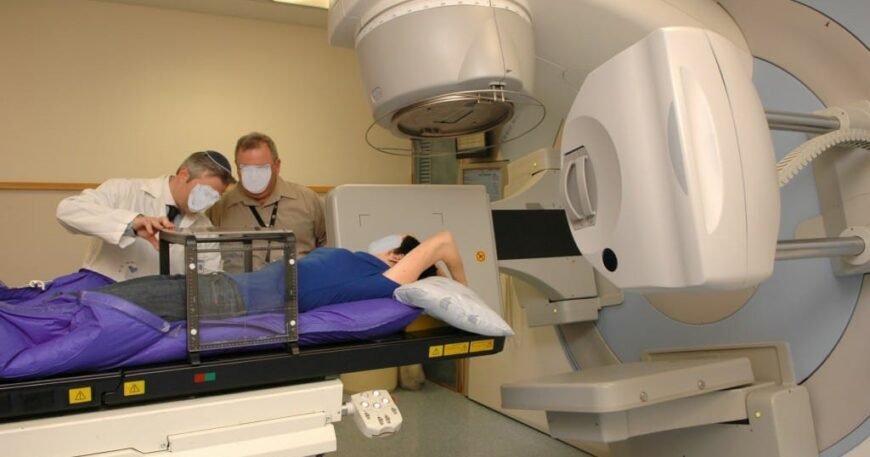
Stereotactic radiation therapy delivers concentrated doses to a defined target. The system maps the tumor location, and imaging tools track its exact position. Since the beams converge from multiple angles, nearby healthy tissue receives less exposure. This approach treats small, well-defined areas with steady accuracy.
Treatment planning depends on detailed scans before the first session begins. Technicians use these scans to outline the target, and physicians review every measurement. When the plan is set, the team positions you carefully for each session. Precise alignment supports the focused nature of this method.
Using a Small Number of Doses
This therapy uses fewer sessions than standard radiation treatment. A typical course involves one to five sessions, and each session lasts a set period. Because the dose per session runs higher, the total number of visits drops. You complete the full course over a shorter span of days.
The condensed schedule shapes how teams arrange their appointments. Scheduling details include:
- The number of total sessions
- The interval between each session
- The estimated length of each individual visit
When you know these details ahead of time, you plan your week with clarity. Your care team confirms each date, and they explain what to expect at every step. A shorter schedule means fewer trips to the treatment center.
Treating Early-stage Cancer
Physicians often use stereotactic radiation for early-stage, localized tumors. Small lung tumors respond to this method, and certain brain lesions qualify as well. Since the target stays compact, the focused beams suit these specific cases. Doctors review your diagnosis to determine whether this approach fits.
Improving Outcomes
Treatment goals focus on controlling the targeted tumor area. The therapy aims to damage cancer cells, and the focused beams limit surrounding exposure. Because the dose stays concentrated, the team monitors the treated region closely. Follow-up scans track how the tissue responds over time.
Monitoring continues after the final session ends. Your care team schedules imaging, and they compare new scans to earlier ones. When changes appear, physicians adjust the next steps in your plan. Regular check-ins help the team observe the treated area.
Communication shapes the entire process from start to finish. You receive updates at each stage, and the team answers your questions directly. Since clear information supports your decisions, the team explains every result. Ongoing dialogue keeps you informed throughout your care.
Schedule Radiation Therapy Today
Stereotactic radiation therapy delivers focused, high-dose treatment across a small number of sessions. Since it applies to specific early-stage tumors, physicians confirm eligibility through detailed scans, and this knowledge helps you prepare for each conversation with your care team. Take the next step toward a clear treatment plan today. Contact a radiation oncology team, and you can request a consultation to review your diagnosis.