

Exploring the Latest Techniques in Dermatology for Skin Rejuvenation

Skin rejuvenation includes a range of dermatology procedures designed to improve skin texture, tone, and overall appearance. Dermatologists perform these treatments in clinical settings, and their methods can target different skin layers. As techniques advance, patients have more options to meet their aesthetic goals, and understanding them helps individuals prepare for a productive consultation. Here are several skin rejuvenation techniques offered by dermatology professionals:
Laser and Light Treatments
Lasers are widely used tools in skin rejuvenation. Ablative lasers remove thin outer layers of skin, while non-ablative lasers heat deeper tissue and leave the surface intact. Fractional technology delivers energy in a grid pattern, leaving small zones of untreated skin between treated areas; this approach gives practitioners helpful control over recovery time.
Intense pulsed light (IPL) works differently from a standard laser. It uses a broad spectrum of light instead of a single wavelength, and dermatologists apply it to concerns such as sun spots and redness. Although IPL and lasers share some features, practitioners may select between them based on skin type and treatment goals. Each patient receives a plan specific to their situation.
Downtime also varies by device and treatment depth, potentially affecting patient decisions. After an ablative session, individuals may follow a longer aftercare schedule; non-ablative sessions generally involve a shorter one. Dermatology professionals should outline the expected timeline before patients book their first treatment.
Microneedling and Radiofrequency Options
Microneedling uses a device with fine, sterile needles to create controlled micro-channels in the skin. Practitioners may adjust the needle depth for each area of the face, and some sessions include platelet-rich plasma (PRP) to enhance the results. Since the device punctures the skin, providers sometimes apply a topical numbing cream beforehand to help manage the process. Radiofrequency microneedling adds a second layer to this approach. Insulated needles deliver radiofrequency energy beneath the surface, and this heat reaches deeper layers than standard microneedling alone. Because the energy travels through the needle tips, the outer skin receives less direct exposure.
Preparation follows a set routine; patients typically avoid sun exposure and certain topical products before their session. To promote safety, share your full medication list and any known skin conditions with your provider during the consultation. Your provider’s aftercare guidance may cover cleansing, moisturizing, and sun protection. Follow those instructions closely, and contact the clinic directly with any questions.
Chemical Peel Treatments
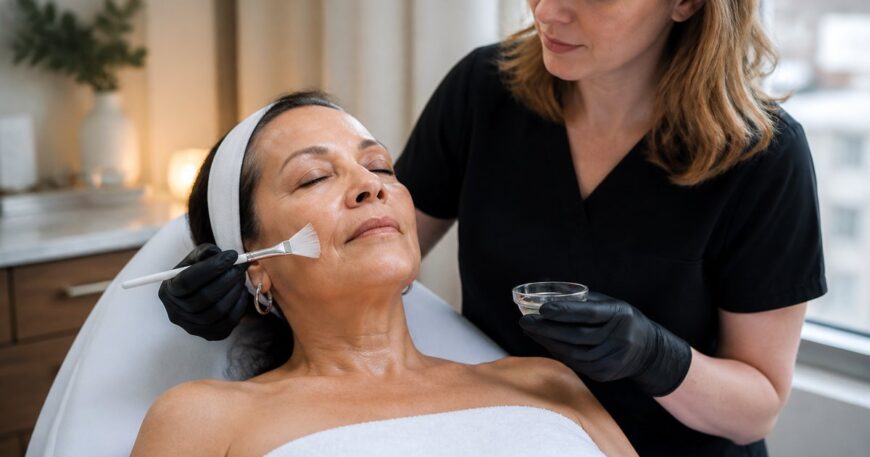
Chemical peels use an acid solution to remove outer skin layers in a controlled way. Dermatologists may sort peels into three fundamental categories based on depth and ingredient strength:
- Superficial peels: Mild acids such as glycolic or salicylic acid act on the outermost layer.
- Medium peels: Trichloroacetic acid (TCA) reaches the upper middle layers of skin.
- Deep peels: Stronger solutions, such as phenol, penetrate deeper layers and require more extensive aftercare.
Newer formulations may blend several acids at lower concentrations, which gives practitioners more flexibility and lets them tailor peels to a wider range of skin types. Peels also pair with other techniques, though the timing between treatments depends on each provider’s protocol. Sun protection plays a key role in peel aftercare, and providers may recommend daily broad-spectrum sunscreen and limited direct sun exposure. If you have outdoor commitments, schedule your peel around them in advance.
Consult a Dermatology Expert
Laser and light treatments, microneedling with radiofrequency, and chemical peels each represent a distinct approach to skin rejuvenation. A qualified dermatologist will evaluate your skin and recommend the method that aligns with your goals. Write down your questions about downtime and aftercare, and schedule a consultation with a board-certified dermatologist today.
- How to Match Your Eye Care Needs With the Right Kind of Visit in Warrenton
- FAQs About Urologists and Their Practices
- The Impact of Peripheral Neuropathy on Daily Life and Coping Mechanisms
- How SkinPen Microneedling Can Help with Fine Lines and Wrinkles
- Understanding the Long-Term Effects of Skin Tightening




