

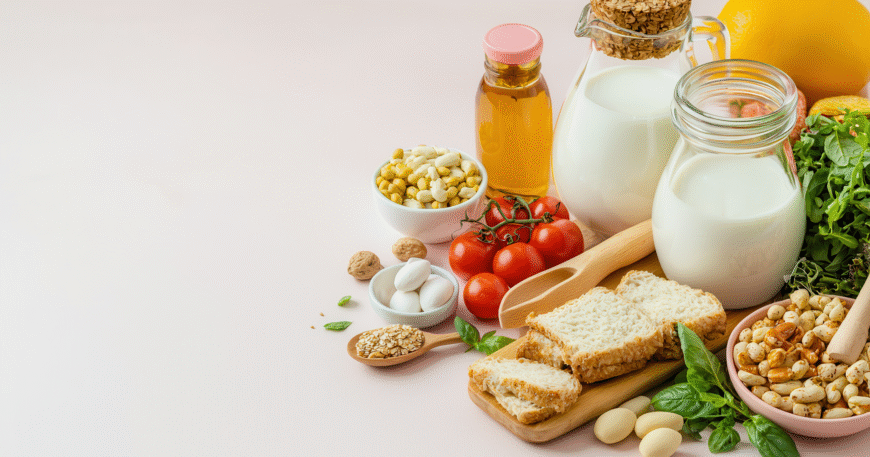
Food Allergy Management Strategies: A Simple Guide to Staying Safe

Food allergies are more common today than ever before. Many people, especially children, live with the risk of a severe reaction just from eating the wrong food. But the good news is that with the right strategies, food allergies can be managed safely and confidently.
This article explains the best ways to manage food allergies in everyday life. It uses clear language and practical advice that anyone can follow.
What is a Food Allergy?
A food allergy happens when the body’s immune system mistakenly treats a harmless food as a threat. This triggers a reaction that can range from mild symptoms like itching to severe reactions like anaphylaxis, which can be life-threatening.
Common food allergens include:
- Peanuts
- Tree nuts
- Milk
- Eggs
- Wheat
- Soy
- Fish
- Shellfish
Knowing which foods cause a reaction is the first step toward managing allergies.
1. Get Proper Diagnosis and Guidance
If you suspect a food allergy, don’t guess—get tested. A doctor or allergist can confirm the allergy through tests like:
- Skin prick tests
- Blood tests
- Food challenges
A clear diagnosis helps you avoid foods safely without unnecessary restrictions. It also helps doctors create an effective emergency plan if a reaction happens.
2. Learn to Read Food Labels Carefully
One of the most important strategies is learning how to read labels correctly. Food manufacturers are required to list major allergens, but sometimes allergens can hide in ingredients you don’t expect.
Here are tips for label reading:
- Look for the “Contains” statement
- Watch for hidden allergens like “natural flavors” or “spices”
- Avoid foods that say “may contain” or “processed in a facility with” if you are highly sensitive
Label reading may feel overwhelming at first, but it becomes easier with practice.
3. Avoid Cross-Contamination
Cross-contamination happens when a safe food touches an allergen. This is a common cause of accidental reactions.
To prevent this:
- Use separate cutting boards and utensils
- Clean surfaces thoroughly
- Avoid shared toasters, grills, and fryers
- Keep allergen-free foods separate from others
If you eat out, always ask about kitchen practices and food preparation.
4. Have an Emergency Plan
Even with careful avoidance, accidents can happen. That’s why having an emergency plan is essential.
Your plan should include:
- Knowing your symptoms
- Having emergency medicine available
- Teaching family and friends how to help
Many people with severe allergies carry an epinephrine auto-injector (like EpiPen). Make sure it is not expired and you know how to use it.
5. Educate Yourself and Others
Education is a powerful tool. The more you and your circle understand allergies, the safer life becomes.
You should:
- Teach children about their allergy
- Inform teachers, caregivers, and friends
- Explain what foods are safe and unsafe
- Share your emergency plan
Education reduces fear and helps everyone act confidently in emergencies.
6. Create Safe Eating Habits
A big part of managing allergies is creating safe habits that fit into daily life.
Here are simple tips:
- Plan meals ahead of time
- Bring safe snacks to school or work
- Avoid risky foods when unsure
- Choose restaurants with clear allergy policies
A consistent routine reduces the chance of accidental exposure.
7. Consider Allergen-Free Alternatives
Many foods have safe alternatives today. You don’t have to feel limited or deprived.
Examples include:
- Almond milk, oat milk, or rice milk instead of cow’s milk
- Egg replacers in baking
- Gluten-free bread or pasta
- Nut-free snacks
Trying alternatives can make life easier and more enjoyable while staying safe.
8. Stay Calm and Confident
Managing a food allergy can feel stressful, but confidence makes a big difference. When you know your strategy and have a plan, you can live a normal life.
Here are a few ways to stay calm:
- Keep a list of safe foods
- Use reminders for medication
- Join support groups or online communities
- Talk to others who understand
Support and knowledge reduce anxiety and improve quality of life.
Conclusion
Food allergies don’t have to control your life. With the right management strategies—like accurate diagnosis, label reading, avoiding cross-contamination, and having an emergency plan—you can live safely and confidently. The key is awareness, preparation, and communication.
Frequently Asked Questions (FAQs)
1. Can food allergies be cured?
Currently, there is no cure for food allergies. However, some children outgrow certain allergies, like milk or eggs. Treatment focuses on avoidance and emergency management.
2. What should I do if I accidentally eat an allergen?
If symptoms appear, use your emergency medicine immediately and seek medical help. Do not wait to see if symptoms worsen.
3. Is it safe to eat at restaurants with food allergies?
Yes, if the restaurant has clear allergy policies and the staff understands cross-contamination. Always communicate your allergy clearly.
4. What is anaphylaxis?
Anaphylaxis is a severe, life-threatening allergic reaction that can affect breathing and blood pressure. It requires immediate medical attention and usually an epinephrine injection.
5. How can I help my child manage food allergies at school?
Create a school allergy action plan, share it with teachers, and provide safe snacks. Make sure staff knows how to respond to emergencies.