

Gastroenterology Symptoms and Treatments: A Simple and Complete Guide

Gastroenterology is the branch of medicine that focuses on the digestive system and the organs connected to it. These organs include the esophagus, stomach, intestines, liver, pancreas, gallbladder, and rectum. When something goes wrong in this system, our body sends signals through different symptoms. Understanding gastroenterology symptoms and treatments can help people recognize problems early and get the right care before issues become serious.
Digestive problems are very common. Almost everyone experiences stomach pain, bloating, acidity, or bowel changes at some point in life. While some issues are mild and temporary, others may need medical attention. This article explains common gastroenterology symptoms, their possible causes, and the treatments used to manage them.
Understanding the Digestive System
The digestive system helps break down food, absorb nutrients, and remove waste from the body. When this system works well, digestion feels smooth and comfortable. However, stress, unhealthy eating habits, infections, or chronic diseases can disturb this balance.
Gastroenterologists are doctors who specialize in diagnosing and treating digestive system problems. They use medical history, physical exams, tests, and sometimes imaging procedures to find the root cause of symptoms.
Common Gastroenterology Symptoms
1. Abdominal Pain
Abdominal pain is one of the most frequent digestive complaints. It can feel sharp, dull, cramping, or burning. Pain may come and go or stay for a long time.
Possible causes include:
- Gas or indigestion
- Stomach ulcers
- Irritable bowel syndrome (IBS)
- Gallstones
- Infections
Mild pain often improves on its own, but severe or ongoing pain should never be ignored.
2. Acid Reflux and Heartburn
Heartburn causes a burning sensation in the chest or throat, usually after eating. Acid reflux happens when stomach acid flows back into the esophagus.
Common triggers:
- Spicy or fatty foods
- Overeating
- Lying down right after meals
- Obesity
- Smoking
If heartburn occurs frequently, it may be a sign of gastroesophageal reflux disease (GERD).
3. Bloating and Gas
Bloating makes the stomach feel full, tight, or swollen. It is often accompanied by gas.
Possible reasons include:
- Eating too fast
- Food intolerances (like lactose intolerance)
- Constipation
- Gut bacteria imbalance
While bloating is usually harmless, constant bloating may indicate digestive disorders.
4. Diarrhea
Diarrhea means passing loose or watery stools frequently. It can be acute (short-term) or chronic (lasting several weeks).
Common causes:
- Food poisoning
- Viral or bacterial infections
- Stress and anxiety
- Inflammatory bowel disease (IBD)
- Certain medications
Chronic diarrhea can lead to dehydration and nutrient loss.
5. Constipation
Constipation occurs when bowel movements are infrequent or difficult to pass.
Possible causes include:
- Low fiber intake
- Dehydration
- Lack of physical activity
- Certain medications
- Digestive disorders
Lifestyle changes often help, but long-term constipation may need medical evaluation.
6. Nausea and Vomiting
Nausea is the feeling of wanting to vomit, while vomiting is the act of throwing up.
Common triggers include:
- Infections
- Food intolerance
- Acid reflux
- Pregnancy
- Liver or pancreas problems
Frequent vomiting can damage the esophagus and cause dehydration.
7. Blood in Stool
Seeing blood in stool can be alarming. Blood may appear red or black depending on where the bleeding occurs.
Possible causes include:
- Hemorrhoids
- Anal fissures
- Inflammatory bowel disease
- Polyps or colorectal cancer
Any blood in stool should be checked by a doctor immediately.
Gastroenterology Treatments Explained
Treatment depends on the type and severity of the digestive condition. Gastroenterology treatments aim to relieve symptoms, heal the digestive tract, and prevent future problems.
1. Lifestyle and Dietary Changes
Many digestive issues improve with simple lifestyle adjustments.
Helpful changes include:
- Eating balanced meals
- Avoiding spicy, fried, and processed foods
- Drinking plenty of water
- Eating slowly and mindfully
- Managing stress
- Exercising regularly
These changes are often the first step in treating mild symptoms.
2. Medications
Doctors may prescribe medications to reduce symptoms and treat underlying causes.
Common medications include:
- Antacids for acid reflux
- Proton pump inhibitors (PPIs) for GERD
- Antibiotics for infections
- Laxatives for constipation
- Anti-diarrheal medicines
Medication should always be taken under medical guidance.
3. Probiotics
Probiotics are beneficial bacteria that support gut health. They help balance gut microbes and improve digestion.
They are often used to treat:
- Bloating
- Diarrhea
- IBS symptoms
Probiotics can be found in supplements or foods like yogurt and fermented products.
4. Endoscopic Procedures
When symptoms are severe or unclear, doctors may perform diagnostic procedures.
Common procedures include:
- Endoscopy to examine the esophagus and stomach
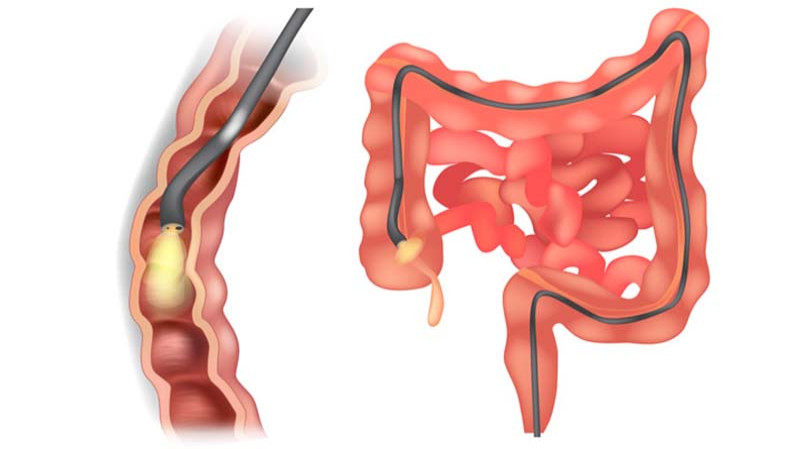
- Colonoscopy to inspect the large intestine
These tests help detect ulcers, inflammation, polyps, or cancer.
5. Surgery
Surgery is usually a last option and is only recommended for serious conditions.
Examples include:
- Gallbladder removal
- Treatment of bowel obstruction
- Removal of tumors
Advancements in medical technology have made many surgeries safer and less invasive.
When to See a Gastroenterologist
You should consult a gastroenterologist if you experience:
- Persistent abdominal pain
- Ongoing diarrhea or constipation
- Frequent heartburn
- Unexplained weight loss
- Blood in stool
Early diagnosis improves treatment outcomes and prevents complications.
Importance of Digestive Health
Good digestive health supports overall well-being. The gut plays a key role in immunity, energy levels, and mental health. Ignoring symptoms can allow small problems to turn into serious conditions.
By paying attention to gastroenterology symptoms and treatments, people can take control of their health and live more comfortably.
Frequently Asked Questions (FAQs)
1. What are the most common gastroenterology symptoms?
The most common symptoms include abdominal pain, bloating, acid reflux, constipation, diarrhea, nausea, and vomiting.
2. Are digestive problems always serious?
No, many digestive issues are mild and temporary. However, persistent or severe symptoms should always be checked by a doctor.
3. Can stress cause digestive problems?
Yes, stress can affect digestion and worsen conditions like IBS, acid reflux, and stomach pain.
4. How are gastroenterology conditions diagnosed?
Doctors use medical history, physical exams, lab tests, imaging, and procedures like endoscopy or colonoscopy to diagnose digestive issues.
5. Can diet alone improve digestive health?
In many cases, yes. A healthy diet, hydration, and lifestyle changes can greatly improve digestion, but some conditions need medication or medical treatment.