

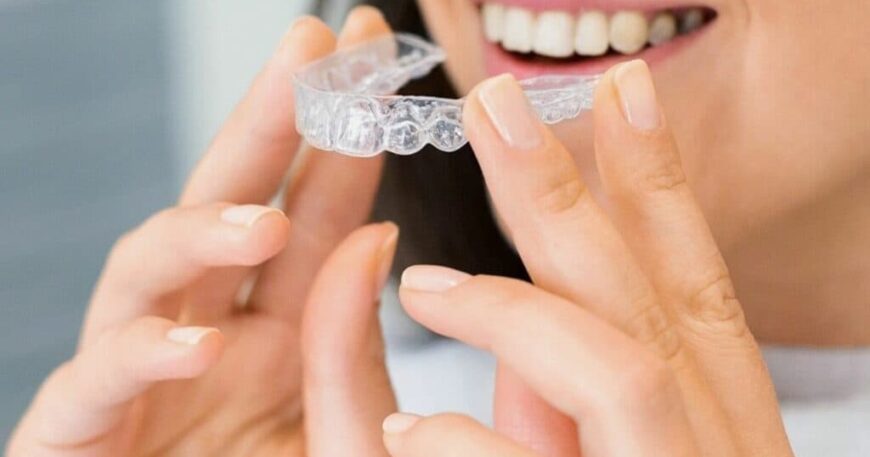
How Aligner Material Affects Treatment Performanc

Aligner materials play an important role when it comes to treatment outcomes. This is because there are different types of aligner materials in the market. It can have different strength, flexibility, thickness, and ability to maintain its shape. All of this can affect how well the aligner fits and delivers force to the teeth, and eventually make a difference in the final treatment outcome. Understanding these properties can help dental professionals make informed choices when selecting an aligner material for different treatment needs.
Why Does Aligner Material Matter?
Aligner material plays a vital role in aligner therapy. It needs to be flexible enough to fit comfortably over the teeth while applying optimal force needed for the planned tooth movement. Since not all aligner cases are the same, the material needed should also be different.
The material selection can depend on:
The complexity of the case: A straightforward case with minor corrections needs stable force delivery to make the tooth move. The aligner needs to be comfortable without being bulky. In cases with complex tooth movement, the aligner might need an increase in the intensity of the force applied. It needs to be strong and durable. All these considerations will change the aligner material demands.
The duration of the treatment: Material which is selected for a longer duration of treatment needs to have the strongest resistance to wear and tear. It should also keep its shape throughout the treatment and not lose its elasticity over time.
The extent of planned treatment movement: The more demanding the planned movement, the more carefully the material properties need to be considered. The dentist or orthodontist should select the material based on the specific case, while also considering fit, force delivery, durability, and patient comfort.
Common Types of Aligner Materials
Even if they just look like plastic, they are medical-grade, biocompatible, and thermoplastic polymers. Some of the types are:
- Polyethylene Terephthalate Glycol (PETG): A highly transparent, rigid, and affordable material. It is incredibly easy to form into shape but can sometimes be more brittle and lose its corrective force faster than modern alternatives.
- Thermoplastic Polyurethane (TPU): Known for its excellent elasticity, wear resistance, and long-lasting force retention.
- Copolyester / Multilayer Polymers: The latest “third generation” innovation in aligner tech. These combine a soft elastomeric inner core with tough outer shells. The soft core provides comfort and flexibility, while the outer layer offers stable force, high strength, and crack-resistance.
What Makes a Good Aligner Material?
Considering all the above prerequisites, there are also a few other requirements that an aligner material needs to satisfy:
- BPA-free and hypoallergenic: This is the basic biocompatibility requirement as the material is used intraorally for a prolonged duration of time. The material should not leach harmful chemicals into the mouth.
- High stain resistance: Ideally, aligners are to be removed while having food or drinks; however, good stain resistance is still an important property. It can help the aligner maintain its clarity and appearance over time.
- High optical clarity: As they must remain unnoticeable over a long period of time as aligner treatments can prolong for months or years.
- Structural stability: Aligner sheet material is exposed to regular wear, moisture, temperature changes, and repeated handling. It needs to be highly structurally stable to resist excessive wear, cracking, or deformation during its intended period of use.
What Should Dental Professionals Look For?
When choosing an aligner material, dental professionals should look at more than just the appearance. You should check if the manufacturer has reliable quality standards. That they have the right certifications and technical documentation. And the quality stays consistent from one batch to the next. You also need to make sure that the aligner material works well with your thermoforming equipment and process. These factors can help ensure consistent results and a better-quality final aligner.
Choosing the right aligner material directly affects your treatment outcomes; hence, it is more important than you would think. Things like strength, flexibility, clarity, durability, and fit can all affect how the aligner performs. By understanding these differences, dental professionals can choose a material that works well for their treatment needs and fits smoothly into their workflow.




