

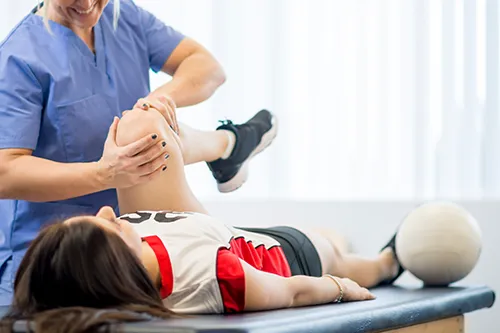
How Sports Medicine Supports Youth Athletes

Sports medicine is a medical specialty focused on physical activity, injury prevention, and treatment, and it serves athletes of all ages, including children and teenagers who play competitive or recreational sports. Physicians, physical therapists, and athletic trainers work together as a team. Since youth athletes are still growing, their care requires specific knowledge of developing bones and muscles. Here is more information about how this field supports young athletes:
Preventing Injuries
Sports medicine professionals assess young athletes before and during their sports seasons. They review movement patterns, strength levels, and physical history, and they use this data to identify injury risks. A thorough pre-participation exam gives providers a clear starting point. This process aims to reduce the likelihood of acute injuries on the field.
Providers also educate coaches and parents about safe training loads. Young athletes need structured rest periods, and overtraining raises the risk of physical breakdown. As growing bodies respond differently to physical stress, training plans are adjusted accordingly.
Addressing Overuse Injuries
Overuse injuries develop gradually from repetitive motion and insufficient recovery time. Growth plates in young athletes are particularly vulnerable, and conditions like stress fractures appear regularly. Since the bones are still maturing, these injuries require careful management. Providers use imaging and clinical exams to confirm diagnoses accurately.
Rehabilitation plans for overuse injuries focus on activity modification and targeted strengthening. A physical therapist guides the athlete through specific exercises, and progress is measured at regular intervals. Treatment timelines vary depending on the severity and location of the injury.
Proper equipment fitting is another key area of focus. Ill-fitting helmets, pads, or footwear contribute to injury, and providers work with athletic staff to address these issues. A sports medicine professional reviews equipment standards regularly.
Providing Nonsurgical Treatments
Most youth sports injuries are treated without surgery. Sports medicine providers use a range of nonsurgical approaches, including:
- Physical therapy and guided rehabilitation exercises
- Additional bracing, splinting, or taping for joint support
- Anti-inflammatory medications for acute pain management
- Targeted corticosteroid injections for specific inflammatory conditions
These treatments address the injury directly, and they aim to restore function without surgical risk. A provider selects the appropriate method based on the type and severity of the injury.
Performing Surgeries
Some injuries do require surgical intervention. Ligament tears, fractures with displacement, and cartilage damage fall into this category, and a sports medicine surgeon evaluates each case individually. Since surgical decisions in youth athletes involve growth plates, timing matters. Providers coordinate with orthopedic specialists when the case requires it.
Recovery after surgery follows a structured protocol. Physical therapy begins at a specific post-operative stage, and milestones guide the return-to-sport timeline. The athlete’s age, injury type, and overall health shape the recovery plan.
Standard surgeries performed for youth athletes include:
- ACL reconstruction
- Fracture fixation
- Meniscus repair
- Growth plate stabilization
Surgical outcomes depend on many factors, including adherence to rehabilitation. Providers set realistic expectations before any procedure.
Find Sports Medicine Services
Sports medicine offers a structured, evidence-based approach to keeping youth athletes healthy and active. Injuries are assessed with precision, and treatment plans are built around each athlete’s specific needs. If your child plays competitive or recreational sports, connect with a qualified sports medicine provider today. Schedule a pre-participation evaluation or discuss a current injury with a specialist.




