

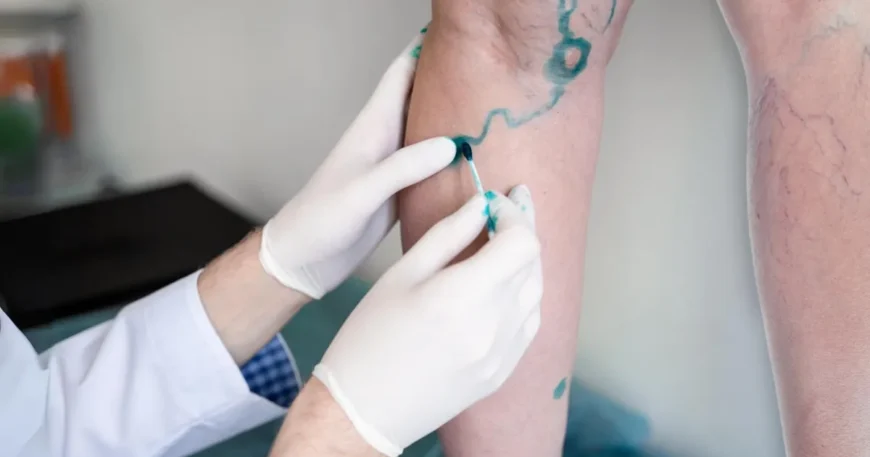
Interventional Radiology Approaches for Treating Varicose Veins

Interventional radiology offers minimally invasive treatment options that can be effective for patients dealing with persistent varicose veins. These procedures target damaged veins with precision while often reducing recovery time compared with more invasive approaches. Here are several interventional radiology approaches used in the treatment of varicose veins:
Treating Smaller Veins
Sclerotherapy is a fundamental interventional radiology procedure for smaller varicose veins and spider veins. A specialist injects a liquid solution directly into the affected blood vessel, and this irritates the vein lining. The vessel eventually collapses, forcing the blood to reroute through healthier nearby pathways.
This procedure generally occurs in an outpatient clinic setting. Patients remain awake during the process, and they often experience minimal discomfort. Medical professionals monitor the injection site closely, and they make sure the patient is stable before discharge. Patients may need to wear compression stockings for a few days to promote proper healing. Doctors also advise walking regularly to maintain healthy blood circulation in the lower extremities.
Closing Varicose Veins
Ablation procedures use targeted energy to close problematic veins in the legs. Doctors rely on this interventional radiology technique to guide a thin catheter into the precise treatment area. Once the catheter is in place, it delivers thermal energy to seal the vein completely.
Medical providers typically select one of two main energy sources for this treatment. They choose between laser energy and radiofrequency energy based on the patient’s specific anatomy. Endovenous laser treatment applies laser energy to heat and collapse the affected vein walls. Radiofrequency ablation uses continuous radio wave energy to achieve the same sealing effect.
These targeted methods are helpful for treating larger and deeper veins that cause significant circulation issues. Following an ablation procedure, the body naturally absorbs the treated vein tissue over time. Blood flow redirects to surrounding healthy veins; this eliminates the pooling that causes varicose veins.
Removing Diseased Veins
Ambulatory phlebectomy is a minimally invasive surgical technique designed to remove superficial veins. A physician creates tiny punctures in the skin overlying the target area, and they remove the diseased vein through these microscopic openings. This method is generally reserved for veins positioned very close to the skin surface. The procedure requires local anesthesia to numb the treatment zone. Patients do not require general sedation, so they avoid the associated risks and extended recovery periods.
Matching Treatment Types
Selecting the appropriate therapy requires a thorough evaluation of the patient’s circulatory system. A vascular specialist will review the individual’s medical history, and they will perform a physical examination to assess visible veins. This careful assessment is a key step in developing a safe and effective treatment plan.
Diagnostic imaging plays a fundamental role in the evaluation process. Ultrasound technology allows doctors to visualize blood flow, which helps them identify any underlying valve dysfunction. Physicians evaluate the overall size and diameter of the problematic blood vessel. They also assess the exact location of the vein within the leg. A personalized strategy is always helpful when managing complex vascular disease.
Learn More About Interventional Radiology
Interventional radiology offers minimally invasive solutions for individuals suffering from varicose veins. Patients can deliberate on therapies such as sclerotherapy, ablation, or phlebectomy, each with distinct clinical benefits. These advanced medical techniques eliminate the need for extensive surgical procedures and lengthy hospital stays. Contact a reputable radiology practice in your area to schedule your appointment and learn more about interventional radiology procedures for varicose veins today.