

Recognizing the Signs of Sciatica in Back Pain

Sciatica involves irritation or compression of the sciatic nerve. This nerve runs from the lower back through the hips and down each leg. Back pain has many causes, and sciatica is one specific type. Because sciatica affects a nerve, its symptoms differ from a muscle strain.
Tracking Where the Pain Travels
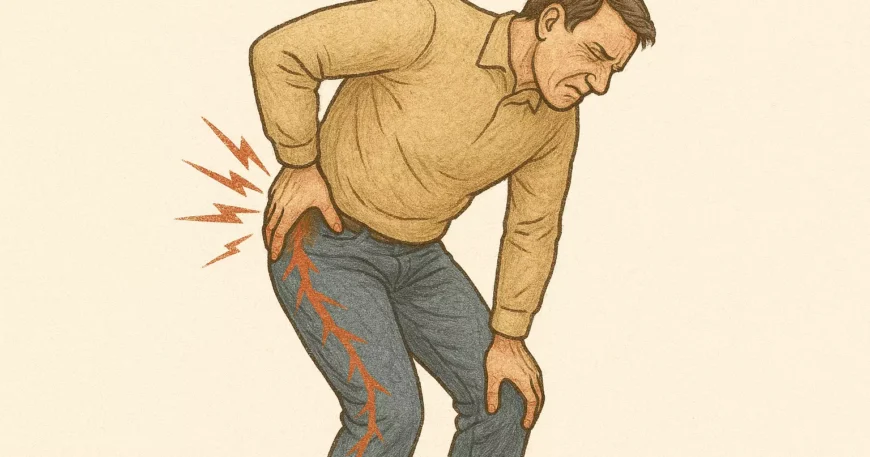
Sciatica pain typically starts in the lower back or buttock. It then travels down the back or side of one leg. The pain may stop at the knee, or it will continue to the foot and toes. Most people have symptoms on one side, but both legs can be affected when compression occurs at several levels. The sensation will feel sharp, burning, or electric. Leg pain is sometimes more severe than the back pain. The location of your pain can help identify which nerve root is involved. Back pain running along the outer leg and into the foot often points to a different level than pain shooting down the back of the leg into the heel. Your provider will use this information during the evaluation. Describing the path in detail gives your provider a clearer starting point for diagnosis.
Noting Changes in Sensation
Nerve irritation affects more than pain, and noticing other changes can help your provider understand what’s happening.
Changes in Sensation
Pain sometimes affects one area, and numbness may affect another. While these sensations can shift over time, noting changes as they occur is helpful. Keeping a simple log of when and where these sensations occur will help you give your provider a clear picture. Record these changes with dates and tasks, and note whether symptoms appear after certain activities or without a clear trigger.
Changes in Strength and Balance
Muscle weakness in the leg or foot can also develop. You may have trouble lifting your toes, or your foot will sometimes drag while you walk. Stairs become harder to climb for some, and standing on your toes will become difficult. Weakness sometimes appears gradually, and you may not notice it until a routine task becomes harder.
Identifying Movements That Increase Pain
Certain positions and movements can make sciatica symptoms worse. Pay attention to whether lying on your back, side, or stomach affects your symptoms differently. Sometimes small shifts in position reduce nerve pressure, and knowing which positions help guides your daily routine. A provider will test these movements during a physical exam.
Some people find that walking short distances helps, while standing still for too long brings discomfort back. Note whether symptoms worsen after sitting at a desk, riding in a car, or performing physical work. Keep a list of activities that worsen or ease your symptoms, and bring it to your appointment.
Schedule a Back Pain Evaluation
Persistent leg pain warrants a medical evaluation. A provider will review your symptoms and examine your back. Imaging can show herniated discs, stenosis, or other causes of nerve compression. Treatment depends on the cause, and options vary from person to person. If conservative care does not help, your provider may discuss epidural shots. Epidural shots deliver medication near irritated nerve roots. A spinal cord stimulator is an option for some people with long-term nerve pain. Bring your symptom notes to your appointment, and ask which options fit your condition.
- How to Match Your Eye Care Needs With the Right Kind of Visit in Warrenton
- FAQs About Urologists and Their Practices
- The Impact of Peripheral Neuropathy on Daily Life and Coping Mechanisms
- How SkinPen Microneedling Can Help with Fine Lines and Wrinkles
- Understanding the Long-Term Effects of Skin Tightening




