

Rotator Cuff Surgery and What to Expect

A rotator cuff tear can cause shoulder pain and limited mobility, making everyday activities difficult. When nonsurgical treatments do not provide enough relief, doctors may recommend surgery to repair the damaged tendon and restore shoulder function. Here is more information on rotator cuff surgery and what to expect:
Evaluating Surgical Necessity
Not every rotator cuff tear requires surgery. Your surgeon will review your symptoms, examine your range of motion, and order imaging tests to measure the size and location of the tear. Some people manage smaller tears with physical therapy, rest, and anti-inflammatory medication. Large or worsening tears may respond better to surgical repair.
Doctors review several factors before recommending surgery, and your activity level plays a major role in that decision. A surgeon generally suggests surgery when nonsurgical treatment fails to relieve pain after several months. This timeline also gives your body a chance to heal on its own.
Preparing for Surgery
Preparation is a key component for a smooth procedure and recovery. Your care team will give you specific instructions in the days leading up to surgery, and following them closely can reduce the risk of complications. The following steps are common tasks you can expect to complete:
- Complete pre-operative tests: Your provider may order blood work or a physical exam to confirm that you are ready for anesthesia.
- Adjust your medications: Tell your surgeon about every medication and supplement you take, and stop blood thinners if instructed.
- Arrange transportation and help: You cannot drive after anesthesia, so plan for a ride home and support with daily tasks.
- Prepare your home: Set up a comfortable resting area with items within easy reach, and stock simple meals to limit strain on your arm.
- Fast before surgery: Follow the fasting window your team provides because a full stomach increases anesthesia risks.
Understanding the Surgical Procedure
Surgeons repair a rotator cuff tear using several techniques, and the choice depends on the tear’s size, shape, and location. Arthroscopic surgery uses small incisions and a tiny camera, which lets the surgeon repair the tendon with minimal disruption to surrounding tissue. Open repair involves a larger incision and suits complex or large tears.
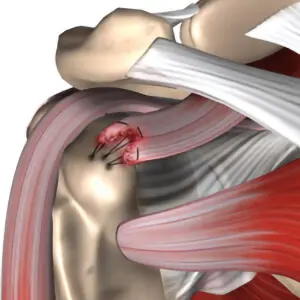
During the operation, the surgeon reattaches the torn tendon to the upper arm bone using small anchors and sutures. You receive anesthesia so you feel no pain. Most patients go home the same day, though your surgeon will confirm the plan based on your health and the repair performed.
Managing Recovery and Rehabilitation
Recovery occurs in stages, and each phase builds toward restored shoulder function. You will wear a sling to protect the repair, and your care team will guide you through a structured program that matches your progress. Tendons need time to bond firmly to the bone.
Early Recovery
The first weeks focus on resting and protecting the repaired tendon. You will keep your arm in a sling and avoid lifting or reaching to prevent stress on the sutures. Gentle and passive movements often begin under a therapist’s guidance; these controlled motions help maintain flexibility without straining the repair.
Physical Therapy
Physical therapy is central to long-term recovery, and your therapist gradually adds exercises to rebuild strength and mobility. You progress from passive stretches to active movements, then to resistance work as the tendon heals. Full recovery can take several months, and your surgeon will clear you for sports or heavy lifting once your shoulder regains stability.
Assess Your Rotator Cuff Tear Today
Understanding rotator cuff tears involves recognizing their causes, symptoms, and the need for timely diagnosis. Treatment includes managing pain and inflammation, nonsurgical methods, and surgical repair for more severe cases. Recovery follows a structured process, including postoperative care and progressive physical therapy, to restore strength and mobility. Contact a qualified orthopedic surgeon near you to schedule your appointment and assess your rotator cuff tear today.




