

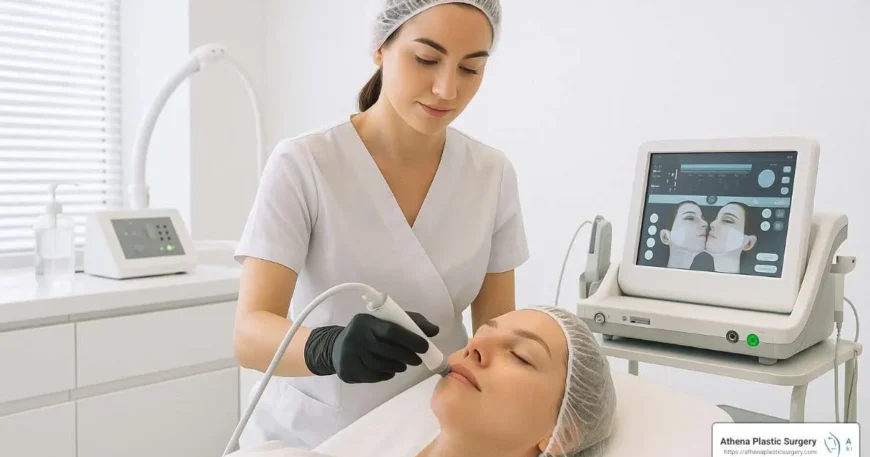
The Benefits of a Personalized Approach With Your Plastic Surgeon

A personalized approach shapes the planning process for plastic surgery. During an initial visit with a plastic surgeon, patients learn about available options; surgeons review medical history, and both steps establish a foundation for later discussions. When treatment planning reflects a patient’s goals and medical background, recommendations are tailored to the individual’s situation rather than to a standard approach, as the discussion focuses on personal needs and medical details.
Procedure Selection
A plastic surgeon receives training in a range of cosmetic procedures. These procedures include facelifts, brow lifts, blepharoplasty, rhinoplasty, liposuction, breast augmentation, and tummy tucks, and each one addresses different concerns. When patients discuss their goals with a surgeon, the available options become easier to narrow; the discussion stays focused because treatment choices connect to specific objectives.
A facelift addresses loose facial skin that develops over time, while a brow lift adjusts the forehead area to reduce sagging and visible lines. Rhinoplasty changes the shape of the nose, and blepharoplasty removes excess tissue from the eyelids. Because each procedure serves a different purpose, surgeons explain what each option addresses; patients receive information that supports treatment decisions.
Surgeons also discuss how procedures relate to patient goals. These conversations provide context and create a clearer picture of available choices. When questions arise during the discussion, surgeons explain treatment details and patients gain information that relates to the purpose of each procedure.
Medical Review
A medical review takes place during an initial consultation. The surgeon reviews the medical history and performs a physical examination, both of which provide information for later recommendations. When surgeons understand medical conditions, medications, and previous treatments, they use that information to shape guidance that relates to the patient’s situation.
Patients benefit from preparing information before an appointment. Medical records and prior test results support the discussion, and personal treatment goals help organize the conversation. When patients provide these details before the physical examination begins, the surgeon gains a broader picture of the person’s background. Know your medical history, including conditions and medications. Bring records, notes, or test results from previous providers. Identify goals for surgery before the appointment.
Preparation supports a more organized discussion. Medical details and patient goals work together during the visit; both pieces of information contribute to recommendations. When surgeons receive complete information during a consultation, they review the details and connect them to the planning process.
Risk Discussion
Discussions about risks and benefits are part of the planning process. Patients ask questions, and surgeons explain procedure details, and this exchange supports informed decision-making. When treatment options are reviewed in relation to personal goals, patients receive information that applies directly to their situation; the discussion stays focused on the available choices.
Patient expectations belong in the discussion as well. Conversations about outcomes and procedure details create a shared understanding; both sides contribute information during the visit. When patients understand the potential risks and benefits connected to a procedure, they gain a clearer view of the treatment process because the discussion links expectations to available options.
Meet With a Plastic Surgeon
Preparation matters. A personalized approach connects procedure selection, medical review, and risk discussions throughout the planning process, and each stage builds on information gathered during consultations. When patients prepare questions and provide accurate medical information, they begin the process with details that support productive discussions and guide later conversations. Meet with a plastic surgeon in your area to begin discussing options.