

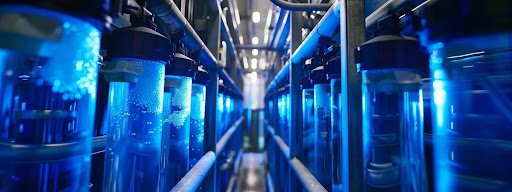
The Role of a Water Purification System in Enhancing Water Quality

A water purification system removes contaminants, and it delivers clean water for household and commercial use. Since untreated water may contain pollutants, these systems improve water quality and support safe consumption. Here are a few roles of a water purification system in enhancing water quality:
Removing Microorganisms and Contaminants
Purification systems include a chemical treatment stage that removes bacteria, viruses, fungi, and parasites from water. Untreated water may carry microorganisms, but purified water helps protect people from waterborne infections and diseases. Some purification systems filter contaminents through different stages to make sure it catches any lingering particles. That process helps improve water safety, and it can enhance the quality of water for use in homes and public systems.
A water purification system helps remove inorganic substances such as arsenic, copper, iron, lead, and manganese. These minerals may pose risks to human health, so the system removes them during the purification process. The process involves catalytic carbon that blocks impurities, and some systems also have special resins that remove contaminants like herbicides and pesticides. A purification system helps improve water safety by reducing exposure to heavy metals during consumption.
Softening Water and Eliminating Odors
Purification softens water by removing minerals that cause hardness, like calcium and magnesium. If soft water contains reduced concentrations of calcium and magnesium, it helps reduce scale formation in household systems. When hard water is heated, minerals may accumulate and form buildups on surfaces, and this leads to scale formation in appliances like coffee makers. Manganese and iron sometimes mix with hard water to cause brown stains on plumbing items such as faucets and sinks. Look for systems that provide cleaner water to avoid staining or forming scum in toilets and sinks. This soft water may prevent residue buildup on plumbing lines, which helps to reduce clogging.
Some purification systems improve water quality by targeting substances that affect taste and smell. Since dissolved impurities and organic compounds can affect water flavor, treatment processes help restore a fresh, neutral taste. Systems that break down odor-causing compounds helps prevents bad taste in water, so it remains suitable for drinking and household use.
Reducing Water Acidity
The natural pH for drinking water should remain within a safe range, and water acidity might occur when pH levels drop below normal. A purification system helps to remove contaminants that reduce alkaline minerals like calcium and magnesium, allowing the water’s pH level to stabilize. A purification system that removes corrosive contaminants that damage pipes can lead to durable plumbing systems. This provides a safer water supply in both household and industrial systems.
Install a Water Purification System
Improve water quality by installing a reliable purification system for household and commercial use. Choose a system that helps remove contaminants, enhances taste, and supports long-term water safety. Regular purification also helps protect plumbing systems and may improve household health. Filtered water allows water to have a softer feel, which can be beneficial for healthier skin. Schedule a professional purification system installation today for consistent access to safe, high-quality water.