

The Role of Dental Implants in Restoring Oral Health

Missing teeth can affect how you chew, speak, and maintain your oral health. Dental implants offer a well-established option for replacing lost teeth, and they are designed to function much like natural teeth. Because they are placed directly in the jawbone, implants provide a stable foundation for replacement teeth. Here is more information about what dental implants are and how they work:
Defining the Implant Structure
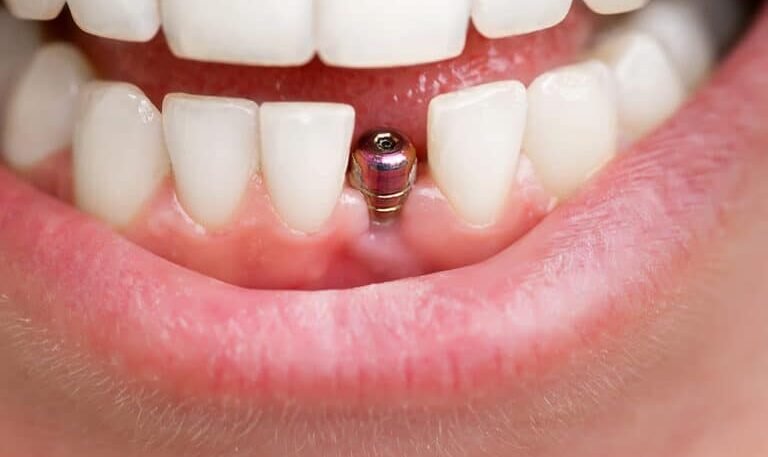
A dental implant is a small post, usually made of titanium, that a dentist places into the jawbone. It replaces the root of a missing tooth. Once it settles into place, the implant provides a stable base for a replacement tooth or a set of teeth. Dental implants differ from other tooth replacement options; they connect directly to the bone, while bridges and removable dentures rest on top of the gums or attach to nearby teeth.
A typical implant system has several parts:
- The Implant Post: This screw-shaped piece sits in the jawbone, and it serves as the foundation.
- The Abutment: This connector attaches to the top of the post, linking the implant to the visible crown.
- The Crown: This custom-made replacement tooth is shaped and colored to match your natural teeth.
Exploring Restorative Dentistry Options
Restorative dentistry focuses on repairing or replacing damaged and missing teeth. Dentists sometimes discuss implants when a single tooth is missing, though the same approach also applies when multiple teeth need replacement. In some cases, implants can support a bridge or anchor a full denture; this expands their functional role. Because treatment depends on several clinical factors, your dentist evaluates the number of missing teeth, the condition of the jawbone, and your overall treatment plan before recommending a course of action.
Outlining Treatment and Maintenance
The implant process usually unfolds over several appointments, and although each plan differs, the general steps may follow a similar pattern. Your dentist first examines your mouth, takes X-rays or scans, and reviews the condition of the jawbone. This enables them to create a treatment plan suited to your situation. The implant post is then placed into the jawbone during a procedure, after which the bone gradually fuses with the post in a process called osseointegration. Once healing is complete, the dental team attaches the abutment and crown to finish the restoration. Timelines vary from person to person; your dental team can provide a clearer idea of what to expect.
Caring for implants involves many of the same habits used for natural teeth. Regular brushing, daily flossing, and routine dental visits all play a role. Keeping the area around the implant clean helps support the surrounding gums and bone. Because implants fill the gap left by a missing tooth, they help maintain the alignment of nearby teeth and support normal chewing function. Dentists sometimes recommend specific cleaning tools; these may be selected to suit the shape and position of your implant.
Learn More About Dental Implants
If you are missing one or more teeth, a conversation with your dentist is a useful starting point. They can review your situation, explain the available options, and help you determine whether dental implants suit your needs. Implants are a structured and well-established option within restorative dentistry. Because they are designed to replace both the root and crown of a tooth, they function as a comprehensive solution for tooth loss. Understanding how they work, how the components fit together, and how to care for them helps you make more informed decisions about your oral health. Contact a qualified dentist near you to learn more.