

Understanding How Dermatologists Approach Skin Therapy

A dermatologist provides specialized medical care focused on the skin; they assist with many concerns, from acne to alopecia. During a clinical visit, these professionals perform a structured evaluation that may include a physical examination, medical history review, and diagnostic testing. Based on these findings, they develop an individualized treatment plan that sometimes involves topical or oral medications and ongoing monitoring. Here is more information about how dermatologists approach skin therapy:
Evaluating Your Specific Skin Concerns
A dermatologist may begin your appointment by asking you questions about your complete medical history. They document your current medications, previously diagnosed conditions, and any past skin-related issues you have experienced. If you report symptoms such as eczema flare-ups or unusual moles, the dermatologist is able to examine those areas more closely and recommend further testing or treatment.
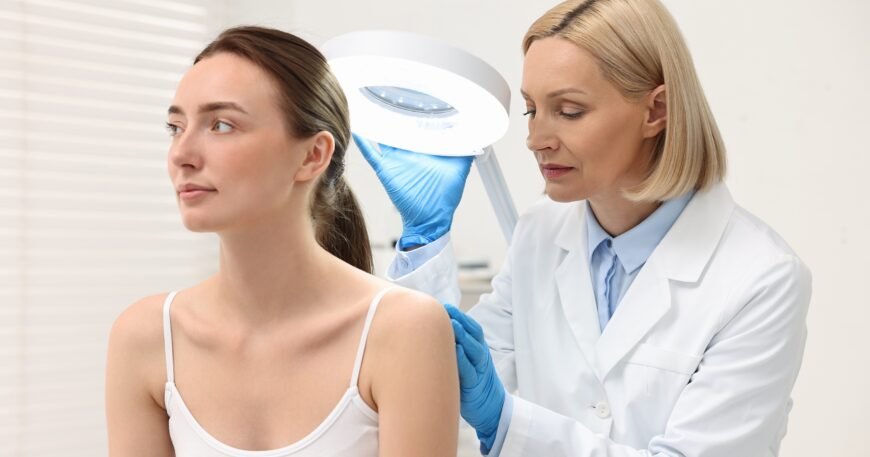
The professional may also conduct a physical examination. They carefully observe the affected areas to determine your fundamental skin type, and they note the physical characteristics of your current condition. This comprehensive review allows the provider to understand how your skin functions and how it reacts to external or internal variables.
Creating an Individualized Care Plan
Each person possesses unique anatomical characteristics, so no single skincare approach works universally. After completing an initial physical evaluation, the dermatologist can discuss potential therapy options based on their clinical findings. They collaborate with you to build a structured, individualized care plan that directly addresses your specific physical requirements. This strategy may incorporate elements from several broad categories of care.
Topical Treatments
Dermatologists frequently suggest topical applications as a primary management tool. These treatments involve applying specific formulations directly to the surface of the skin, and they sometimes require six weeks to show results. Depending on the physical presentation of your tissue, a provider might recommend standard over-the-counter options or prescribe specific topical medications. These specialized products are typically designed to target cellular turnover, manage localized physical inflammation, or address surface bacteria.
In-Office Procedures
When topical applications require additional mechanical or clinical support, a dermatologist may discuss the inclusion of in-office procedures. These interventions take place in a controlled clinical setting, and they involve utilizing specialized equipment. Providers might recommend procedures such as:
- Targeted light therapies to address specific structural elements of the skin.
- Chemical peels to reduce acne scars.
- Minor surgical interventions to remove specific anomalies or conduct biopsies.
Lifestyle Guidance
Daily habits influence the ongoing physical state of your skin, so dermatologists provide actionable guidance regarding routines to support structural health. They can review your current daily regimens and suggest practical modifications. This advice sometimes includes identifying proper sun protection methods, selecting cleansers that protect your natural moisture barrier, and establishing consistent habits that support overall physical stability.
Arranging Follow-Up Care
Skin therapy functions as a gradual physical process, and it requires consistent clinical monitoring. Dermatologists may schedule regular follow-up appointments to properly evaluate how your tissue responds to the initial care plan. During these routine visits, they observe physical changes, measure objective progress, and adjust treatment protocols as necessary. This ongoing observation confirms that the medical strategy remains aligned with your evolving physical needs.
Meet With a Qualified Dermatologist
Managing skin health involves a methodical approach to clinical evaluation and structured treatment planning. Dermatologists review your medical history, assess your unique skin type, and combine targeted topicals, clinical procedures, and lifestyle adjustments to create a practical plan. Individualized treatment fits your unique needs; it can include therapies such as prescription creams for acne or laser treatments for sun damage. Speak with a qualified dermatologist to obtain personalized guidance tailored to your specific physical condition.