

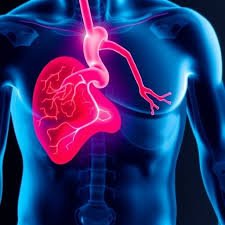
Understanding the Impact of Hypertension on Heart Health

Hypertension is a condition marked by blood pressure that stays high over time. The heart has to work harder to move blood through the body, and the walls of the arteries face steady strain. Because the condition rarely shows clear signs, many people live with it for years without knowing. Left unmanaged, it places lasting pressure on the heart and the wider circulatory system.
Higher Likelihood of Heart Disease
The heart bears a heavy burden under sustained pressure when an individual has hypertension. Each beat pushes against resistance in the arteries, and the muscle grows thicker to keep up. This thickening reduces the heart’s flexibility over many years. Since the arteries around the heart need to be elastic, strain can cause difficulty with moving blood.
Coronary artery disease becomes more likely as fatty deposits build inside narrowed vessels. The supply of oxygen to the heart muscle falls, which can lead to chest pain or a heart attack. Blood flow that drops below a certain level harms the tissue it once fed. Such damage often cannot be fully reversed.
Increase Risk of Dangerous Conditions
High blood pressure raises the risk of several serious health problems. When the arteries stay narrow and stiff, blood flow to the brain can drop, and this raises the risk of a stroke. The heart muscle thickens over time as it labors against the extra pressure. These changes prime the heart for sudden events like heart attacks that require emergency medical attention.
Although the early stages bring few symptoms, the damage builds quietly inside the blood vessels. Kidney function may decline, and vision problems can appear as small vessels in the eyes weaken. Damage to these organs often develops slowly, which is why regular checks matter. The risk grows steadily when blood pressure remains untreated.
High blood pressure can also lead to dangerous conditions such as aneurysms and peripheral artery disease. Prolonged strain on the arteries can cause them to weaken or even rupture, leading to life-threatening emergencies. Aneurysms develop when blood pushes against weakened spots in the artery walls, and this creates a bulge that can burst. Peripheral artery disease results from narrowed blood vessels that reduce blood flow to the limbs, causing pain and increasing the likelihood of infections. These conditions are often preventable with early intervention and consistent management of blood pressure levels.
Chance of Decreased Lifespan
Long-term hypertension shortens the average lifespan when it goes unmanaged. Studies link sustained high readings to earlier deaths from heart and vessel problems, and the connection holds across many age groups. The body endures cumulative wear that builds across decades.
The heart can weaken to the point of failure after years of overwork. Heart failure means the organ no longer pumps enough blood to meet the body’s needs, and breathing problems often follow. People with several risk factors face a steeper decline, and the combined effect of these conditions narrows the window of healthy years.
Talk With a Hypertension Specialist
Managing high blood pressure starts with accurate measurement and a clear plan, and a specialist can guide both steps for you. Your readings, history, and risk factors shape the approach that fits your situation. A specialist reviews these details, orders the right tests, and adjusts treatment as your condition changes over time. Schedule an appointment with a hypertension specialist today to learn how your blood pressure affects your heart.