

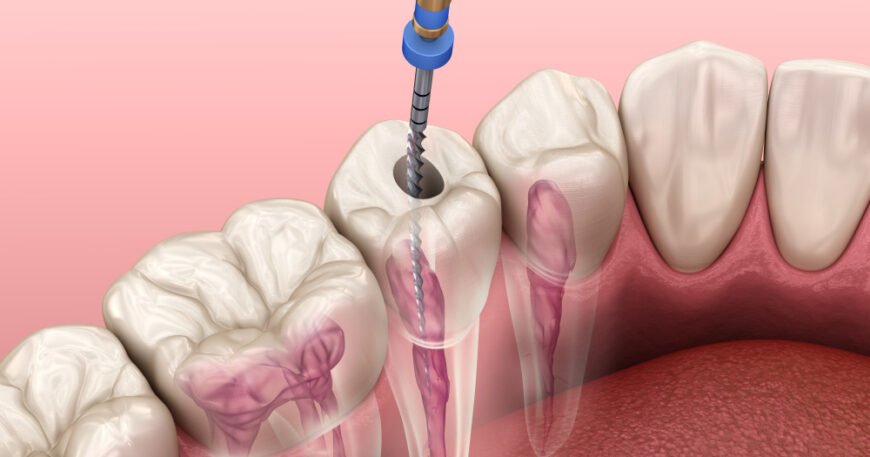
Understanding the Root Canal Procedure

A root canal treats damage inside a tooth, and many patients undergo this procedure each year. The treatment targets the soft tissue within the tooth. When decay or injury reaches the inner layers, a dentist may recommend this approach to save the tooth. Here is more information on this procedure and how it can help:
Treats Deep Decay
Deep decay reaches past the enamel and into the inner tooth. A root canal addresses this damage, and it stops decay from spreading further. When bacteria invade the inner chamber, the surrounding tissue becomes infected.
Your dentist examines the tooth with X-rays. These images show the extent of the decay, while showing whether a root canal is necessary. The dentist identifies the affected area, and the scan guides the treatment plan.
Removes Infected Pulp
The pulp holds nerves and blood vessels inside the tooth. During the procedure, the dentist removes this infected tissue, and the chamber is cleaned thoroughly. A small opening provides access to the inner canals.
After cleaning, the dentist shapes the canals. The space is then filled with a rubber-like material called. This step seals the tooth, and it blocks further infection. When the seal holds, the tooth stays protected from bacteria.
The dentist follows several steps during this stage:
- Numbs the area with local anesthetic
- Opens the tooth to reach the pulp
- Cleans and shapes each canal
- Fills the space and seals the opening
These steps aim to protect the tooth structure. The procedure typically takes one or two visits, and the timing depends on the tooth.
Requires Crown
A treated tooth typically needs a crown for added strength. The crown covers the tooth, and it restores normal function. Since the procedure removes inner tissue, the tooth becomes more fragile.
Your dentist takes an impression of the tooth. This mold shapes a custom crown that fits the bite. The crown is placed during a follow-up visit, and it matches the surrounding teeth.
A crown is an essential part of protecting the tooth after treatment. It reinforces the tooth, and it also helps maintain its appearance and function. While the process of creating and placing a crown may take time, it is a necessary step to ensure the long-term durability of the treated tooth.
Address Tooth Pain
Tooth pain that persists typically signals damage deep inside. A root canal removes the source of this discomfort, and the procedure relieves pressure within the tooth. When the infected pulp comes out, the throbbing sensation tends to fade.
Watch for these typical signs of inner tooth damage:
- Lingering pain after hot or cold foods
- Swelling near the gums
- Chewing tenderness
- Darkening tooth color
Report these symptoms to your dentist. Early treatment aims to limit the spread of infection, and it preserves more of the natural tooth. Prompt care helps the dentist evaluate the damage.
Schedule a Root Canal
A root canal addresses decay and infection inside the tooth. The procedure removes damaged tissue, and a crown typically follows for support. When you notice ongoing pain, contact a dental office for an evaluation. Call your dentist today to book an appointment. A professional assessment clarifies your options, and it starts the path toward treatment.