
Understanding the Stages of Wound Healing

Wound care covers the steps you take to treat an injury and support your body in repairing damaged skin and tissue. Every cut, scrape, or surgical incision follows a healing sequence, and knowing what happens helps you recognize normal progress and identify signs of complications. Here is some information about the stages of wound healing:
Stopping Bleeding
The body’s first response to an injury is to stop the loss of blood through a process called hemostasis. Blood vessels near the wound narrow to slow the flow, and platelets gather at the site to form a clot. This clot acts as a temporary plug, sealing the opening and reducing blood loss. The clot also dries into a scab, which shields the wound from dirt and bacteria. This phase usually lasts from minutes to hours, depending on the wound’s severity. Applying gentle pressure with a clean cloth supports this natural process.
Cleaning the Wound
Once bleeding has slowed, the body enters a state of defensiveness. Inflammation sets in, and the area around the wound often turns red, warm, and slightly swollen. White blood cells rush to the site to remove bacteria and damaged cells. This response is your body’s way of preparing a clean surface for new tissue to grow.
At-home wound care aids your body with this process. Rinse the wound with clean water, and cover it with a sterile dressing. Keeping the area free of dirt reduces the number of threats your body has to fight. Mild swelling and redness during the first few days are common. Watch for worsening pain, pus, or spreading redness, as these may indicate infection.
Building New Tissue
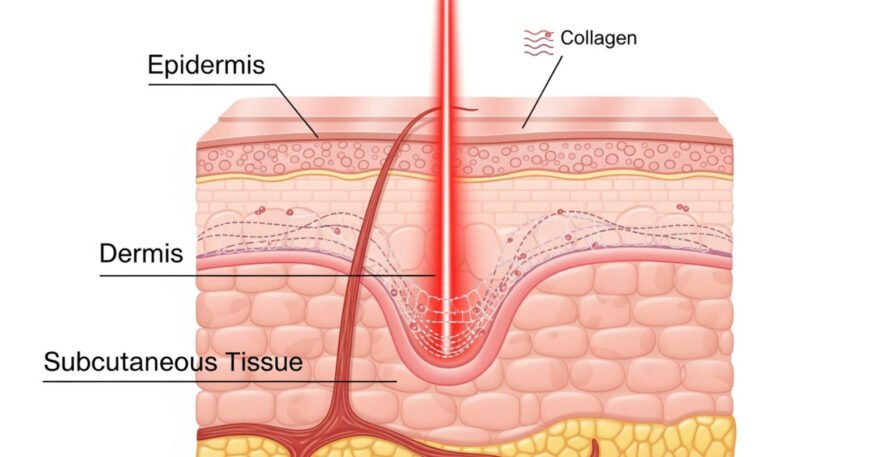
Your body begins constructing a foundation of new tissue to repair the damage and restore the skin’s surface. New blood vessels form to deliver oxygen and nutrients to the wound bed, while cells produce collagen to give structure to fresh tissue. As new tissue develops, the wound begins to fill in from the bottom up and pull inward at the edges.
You may notice pink or red tissue forming across the surface. This is granulation tissue, and it signals that repair is underway. The skin around the wound starts to close as new cells migrate over the gap. Keeping the wound moist with an appropriate dressing supports this growth. Avoid picking at scabs, as it disrupts the delicate new tissue beneath. This phase often spans several days to a few weeks, depending on the size and depth of the injury.
Strengthening the Healed Area
Even after a wound looks closed, your body continues working beneath the surface. Collagen reorganizes and strengthens, giving the new skin more durability. The tissue regains much of its original strength, though healed skin rarely matches its full strength before the injury. Scars also form during this stage. A fresh scar often appears red or raised, then gradually fades and flattens over months. This process can last a few weeks to a year or more for larger wounds. Protect the healing area from sun exposure and avoid stretching or stressing the skin too soon. Rushing the area before it strengthens may reopen the wound.
See a Specialist for Wound Care
Some wounds heal on their own with basic care, while others need closer attention. A wound that stalls, shows signs of infection, or fails to close within a few weeks deserves professional evaluation. People with diabetes or weakened immune systems often face slower healing and benefit from expert guidance. If your wound is deep, large, or not improving, schedule an appointment with a wound care specialist today.