
What Happens During Gallbladder Surgery?

Gallbladder surgery removes the gallbladder when it causes pain, blockage, infection, or other digestive problems. Many patients need this surgery because gallstones interfere with the normal flow of bile. The operation is common, and it follows a clear process from pre-surgery testing through recovery planning. Here is some information about what happens during gallbladder surgery:
Preparing for Surgery
Proper preparation before gallbladder surgery helps the procedure go smoothly and reduces potential risks. A physical exam is often performed to confirm the diagnosis, and it checks for signs of inflammation, infection, or bile duct blockage. Your care team should also review your:
- Medical history
- Current symptoms
- Medications
- Allergies
- Prior procedures
- Blood tests
- Imaging studies
Before the operation, patients are usually told to stop eating and drinking for a set period. Instructions may also include pausing certain medicines, such as blood thinners. These pre-operative steps help reduce the risk of complications, and they support a safer surgical procedure.
On the day of surgery, the patient changes into a hospital gown and has an intravenous (IV) line placed. The anesthesia team explains how general anesthesia will be used during the procedure. Consent forms are signed after the surgeon reviews the plan, the expected steps, and possible risks. This preparation phase allows the surgical team to proceed, and it confirms that the operation can be completed safely.
Reviewing Incision Types
Different incision types are chosen based on the procedure being performed, as they vary with the access required for the operation. Gallbladder surgery is often performed with a laparoscopic approach. In this method, the surgeon makes several small incisions in the abdomen. A camera and thin surgical tools are inserted through these openings; this allows the surgeon to view the area on a monitor and remove the gallbladder with limited disruption to nearby tissue.
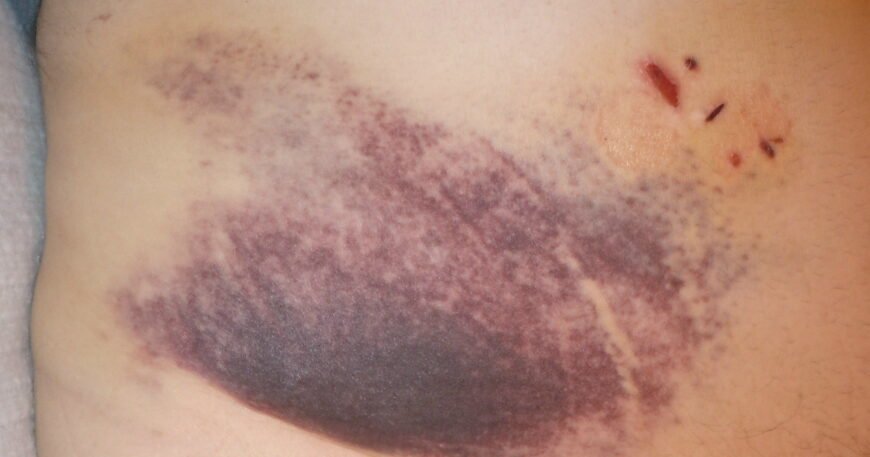
A patient with uncomplicated gallstones may undergo laparoscopic removal through four small incisions. The abdomen is inflated with gas to create working space, and the surgeon separates the gallbladder from the liver and bile duct structures. After the gallbladder is removed, the incisions are closed with sutures, glue, or surgical strips.
Open surgery uses one larger incision, usually on the upper right side of the abdomen. This approach may be used if severe inflammation, scar tissue, or bleeding makes laparoscopic surgery less suitable. During an open procedure, the surgeon views the gallbladder through the larger incision, and the surgical field is accessible.
Understanding Surgical Goals
The primary goal of gallbladder surgery is to remove the gallbladder safely, and this treats the source of symptoms. Gallstones are a common reason for surgery, especially when they cause recurrent pain, infection, or obstruction. Some patients also need surgery due to polyps or reduced gallbladder function.
During the operation, the surgeon identifies the gallbladder, nearby ducts, and blood vessels before removal begins. This helps reduce injury to surrounding structures. If stones have moved into the bile duct, added treatment may be needed. In a straightforward case, the gallbladder is detached and removed, and the area is checked for bleeding or bile leakage. Once the procedure is complete, the patient is moved to recovery for monitoring as the anesthesia wears off.
Schedule Gallbladder Surgery
Gallbladder surgery follows a structured process that starts with testing and preparation and ends with removing the gallbladder. The method depends on the patient’s condition and the findings during surgery. A clear diagnosis and a detailed surgical plan help guide each step. Schedule a consultation today to determine if gallbladder surgery is appropriate for you.